Inquiry
Form loading...
-
Phone
-
E-mail
-
Whatsapp
-
WhatsApp

Explore our top-tier waterproof cable entry products, optimized for robust strain relief and environmental sealing in communication systems.

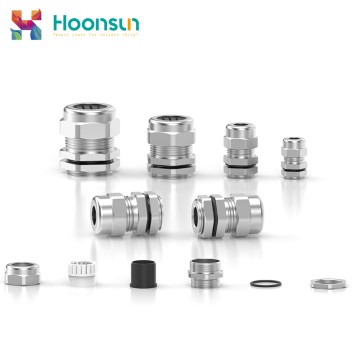
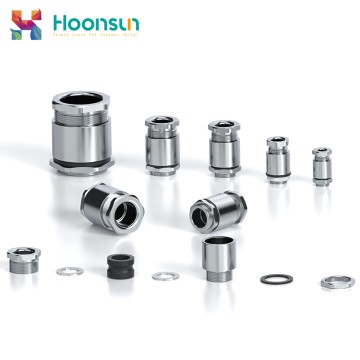
In the digital age, the global telecommunication network acts as the central nervous system of society. The rapid deployment of 5G, the expansion of fiber-to-the-home (FTTH) infrastructure, and the rise of edge computing have pushed sensitive electronic equipment out of climate-controlled rooms and into the harsh outdoor environment. Outdoor telecommunication enclosures, remote radio heads (RRHs), base stations, and distribution hubs are constantly exposed to extreme moisture, dust, ultraviolet radiation, and thermal fluctuations. In this context, the waterproof cable gland is no longer just a simple accessory; it is a critical component that ensures system integrity, prevents signal loss, and extends the operational lifespan of million-dollar infrastructures.
As transmission frequencies increase with 5G and 6G technologies, the sensitivity of telecommunication equipment to moisture and electromagnetic interference (EMI) rises exponentially. A single droplet of water or a build-up of condensation inside a high-frequency transmitter enclosure can lead to impedance mismatch, signal attenuation, and catastrophic hardware failure. Waterproof cable glands provide the necessary barrier at the most vulnerable point of any enclosure: the cable entry zone. By establishing a hermetic seal and offering robust mechanical strain relief, these glands maintain the environmental rating of the enclosure (typically IP66, IP67, or IP68) under dynamic operating conditions.
Ensures absolute dust-tightness and protection against continuous water immersion under pressure, keeping internal electronics dry.
Complies with global safety codes using self-extinguishing materials (UL 94V-0) that prevent fire propagation in high-voltage hubs.
Advanced metal glands provide 360-degree grounding contact to suppress electromagnetic interference and maintain signal fidelity.
The global market for waterproof cable glands in telecommunication applications is witnessing a paradigm shift driven by several key technological trends:
Telecommunication infrastructure is highly diverse, spanning from high-altitude cellular towers to underground fiber vaults. Each environment presents distinct physical challenges, requiring specialized cable entry designs. Below is an in-depth analysis of where and why specific waterproof cable glands are applied in the telecom sector.
5G macro base stations house high-power transmitters, power supply units, and cooling fans within outdoor enclosures. These systems generate significant heat, causing internal air to expand and contract. This creates a vacuum effect that pulls moisture through any weak seals. Here, heavy-duty metal cable glands (such as nickel-plated brass or stainless steel) are preferred. They offer the mechanical strength to support heavy power cables and the durability to withstand high wind loads and physical impacts. Furthermore, they are often equipped with EMC grounding rings to protect the high-frequency electronics from external electromagnetic interference.
Fiber distribution hubs are the critical routing points for fiber networks. These enclosures are packed with delicate glass fibers that are highly sensitive to physical stress. Nylon split cable glands or multi-hole cable glands are highly utilized in this scenario. They allow multiple fiber cables to enter a single port, optimizing the limited space on the enclosure wall. The soft elastomer inserts (sealing inserts made of TPE or EPDM) provide a gentle yet secure grip around the fiber jackets, preventing water ingress while ensuring zero pressure damage to the optical cores.
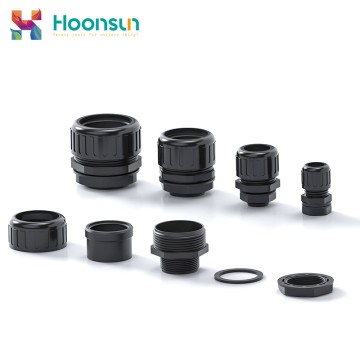
As processing power moves closer to the end-user to minimize latency, decentralized edge computing cabinets are being deployed in outdoor settings. These cabinets house servers, storage arrays, and network switches. Because these locations are often unattended, reliability is paramount. Cable glands used here must meet strict fire safety standards (such as UL 94V-0 flammability ratings) and provide exceptional environmental sealing. Nylon corrugated conduit connectors are frequently used here to route cables from external conduits into the cabinet, shielding the wiring from physical tampering and environmental degradation.
Coastal and marine environments are the most challenging for metallic components due to the high concentration of salt and moisture. Telecommunication enclosures on offshore platforms, marine vessels, and coastal radar stations require maximum protection against corrosion. In these extreme environments, Stainless Steel 316L cable glands or specialized TJ clamping marine cable glands are mandatory. They offer superior resistance to pitting and crevice corrosion, ensuring a leak-proof seal that endures decades of exposure to salt spray and seawater washing.
Choosing the correct cable gland material is crucial for the long-term reliability of telecommunication enclosures. The table and analysis below highlight the engineering trade-offs of the three primary materials used in the industry.
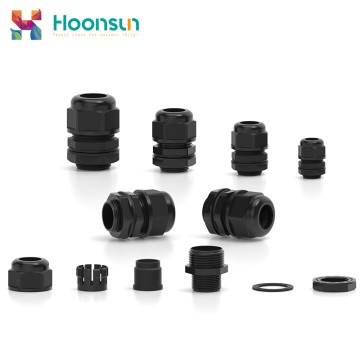
Pros: Lightweight, cost-effective, excellent chemical resistance, halogen-free, non-conductive, easy to install.
Best For: FTTH cabinets, indoor/outdoor micro-cells, light-duty commercial enclosures, and high-volume deployments.
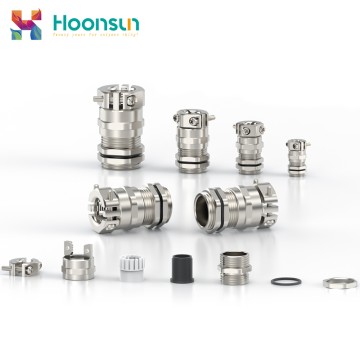
Pros: Exceptional mechanical strength, wide temperature range, superior impact resistance, inherent EMC shielding capabilities.
Best For: Industrial telecom hubs, heavy-duty outdoor enclosures, environments with high vibration, and EMI-shielded systems.
Pros: Maximum corrosion resistance, high tensile strength, hygienic, extremely long lifespan in harsh environments.
Best For: Marine telecom, coastal radar stations, chemical processing plants, and critical infrastructure requiring zero maintenance.
To ensure a gland meets the rigorous demands of telecommunication networks, several design elements must be optimized:
Zhejiang Hongxiang Connector Co., Ltd. — A Global Leader in Cable Gland Manufacturing
Founded in 2006, Zhejiang Hongxiang Connector Co., Ltd. is rooted in Yueqing, Zhejiang — a national hub for precision electrical manufacturing in China. After nearly two decades of dedicated development, the company has evolved into a large modern industrial connectivity solutions provider integrating R&D and design, large-scale intelligent manufacturing, global sales, and one-stop services. It stands as a benchmark enterprise of considerable scale and influence in China’s cable gland and connector industry, and a key player among national high-tech enterprises.
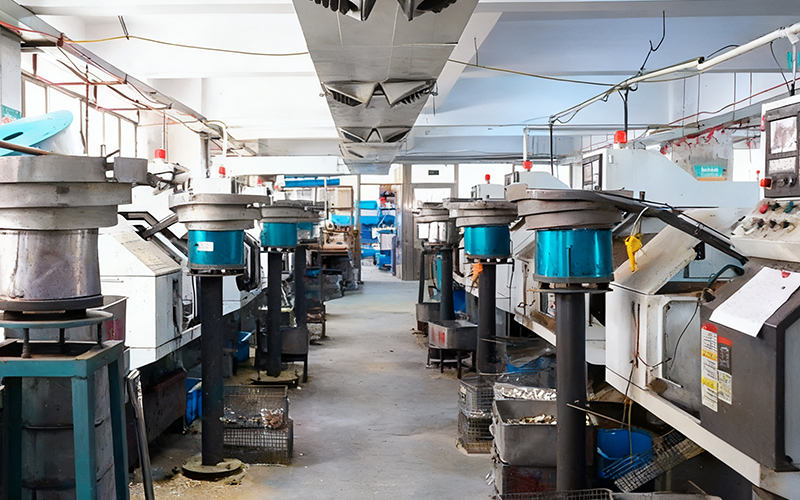
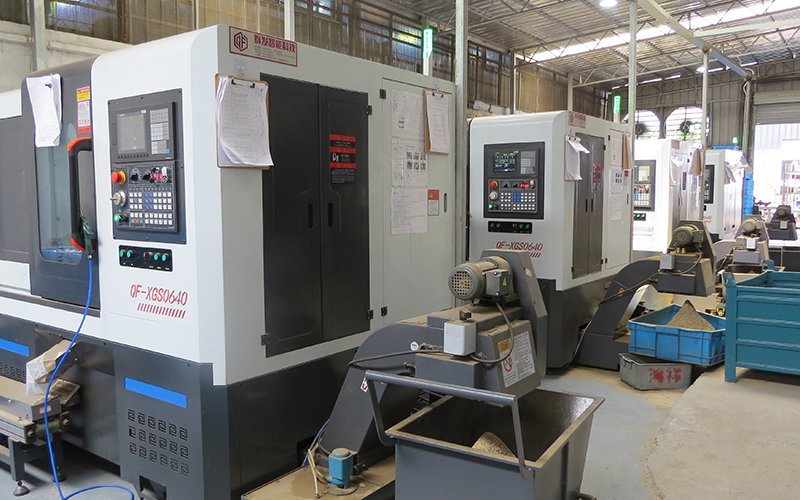
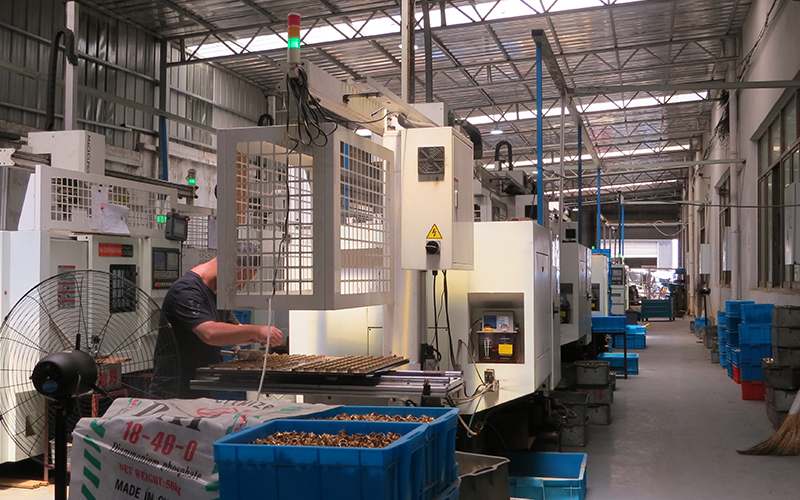
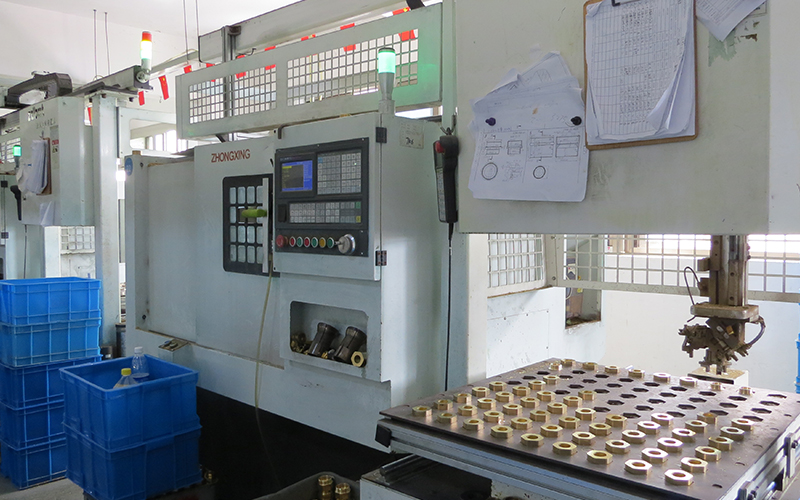
Boasting a modern intelligent manufacturing industrial park, the company operates a standardized production workshop of over 10,000 square meters, equipped with multiple high-precision automated production lines, CNC machining centers, and a full-process quality control laboratory, establishing an industry-leading large-scale manufacturing system. With a core team of more than 300 professionals — over 30% of whom are R&D and quality management personnel — its annual production capacity exceeds 80 million units. The company is fully capable of handling large-volume orders, urgent custom projects, and long-term strategic supply partnerships for domestic and international clients, ranking among the industry’s top tier in both production capacity and delivery efficiency.
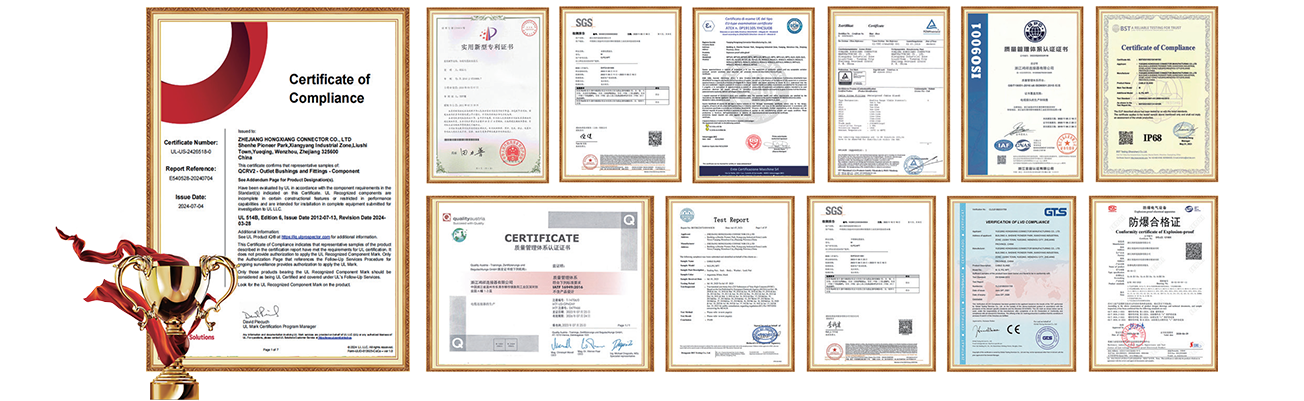
Its core product portfolio includes metal cable glands, nylon cable glands, waterproof cable glands, explosion-proof connectors, conduit fittings, and various customized connecting accessories. These products serve high-end sectors such as industrial electrical equipment, new energy equipment, rail transit, shipbuilding and heavy industry, construction machinery, military supporting facilities, and communication & industrial control. Adhering to stringent manufacturing standards and uncompromising quality requirements, the company has obtained a series of internationally recognized certifications, including ISO9001, IATF16949 automotive quality management system, CE, UL, ATEX explosion-proof certification, RoHS, and IP68 high-protection rating. Its core technologies and product performance have reached international advanced levels, with nearly 100 invention and utility model patents to its name, continuously driving technological upgrading across the industry.
Milestones that define our commitment to engineering excellence and global expansion.
Our products are certified to meet the highest international standards for safety, performance, and environmental protection.

The company currently has more than 120 employees, more than 200 production equipment, and is equipped with a professional sales and management team, committed to improving production efficiency and product quality.
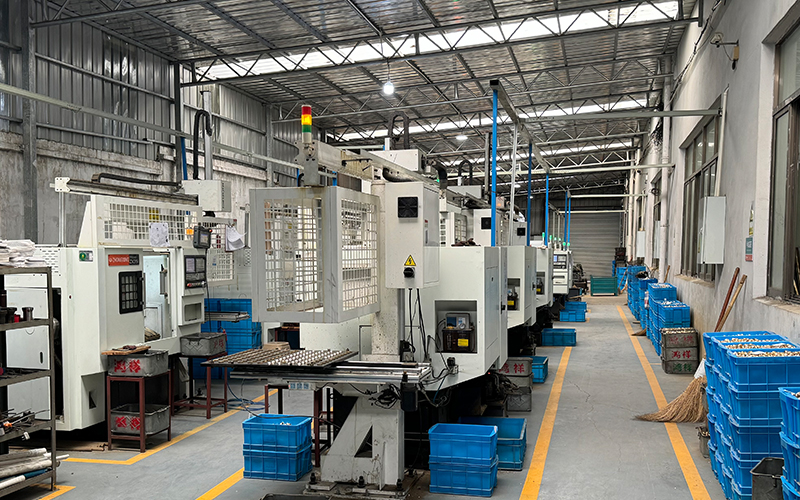
Mechanical equipment
Mechanical equipment
Mechanical equipment
Mechanical equipment
Mechanical equipment
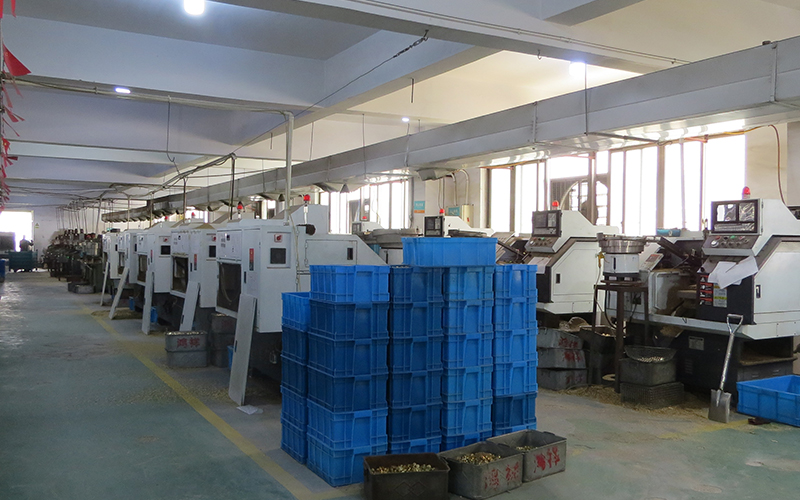
Mechanical equipment
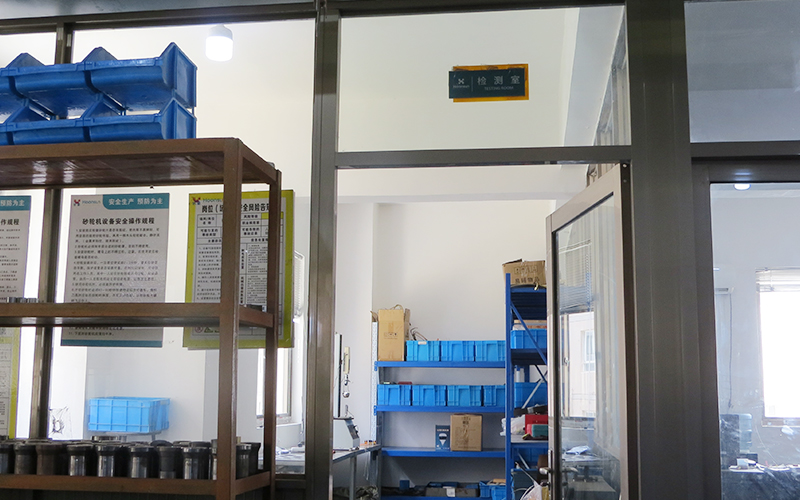
Testing room
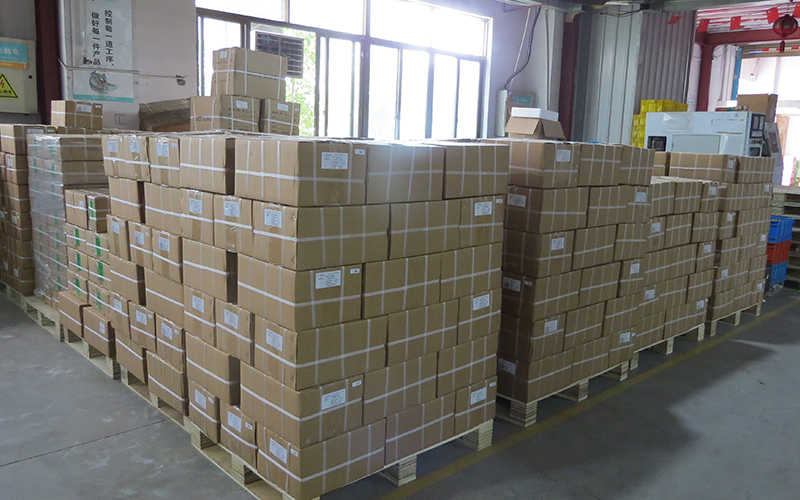
Product stacking
Engineered to meet IP68, UL, and CE standards, our cable glands ensure reliable performance in the most demanding industrial and communication environments.