Inquiry
Form loading...
-
Phone
-
E-mail
-
Whatsapp
-
WhatsApp

High-performance cable glands tailored to withstand heavy vibrations, salt corrosion, and extreme temperatures in solar, wind, and storage projects.
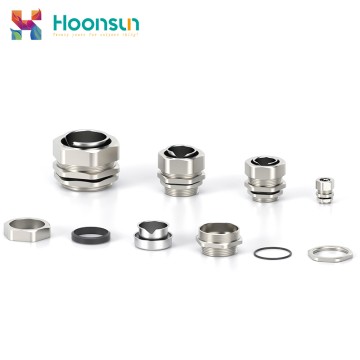
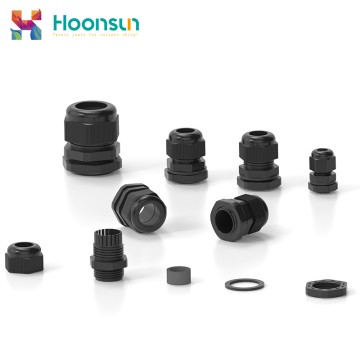
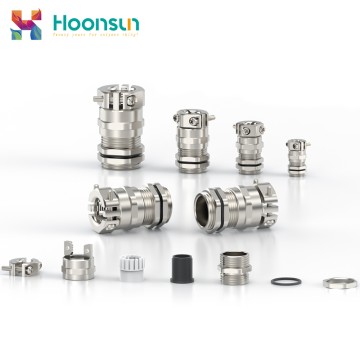
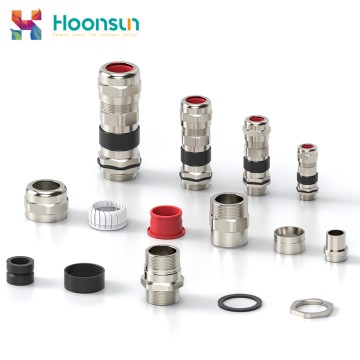
Withstanding intensive UV exposure, extreme thermal expansion, and dust accumulation in arid utility-scale PV fields.
Combating marine salt spray, continuous structural vibrations, and high mechanical tension in offshore nacelles.
Ensuring electromagnetic compatibility (EMC) and explosion-proof safety in densely packed lithium-ion enclosures.
As the world accelerates its transition toward sustainable energy sources, the infrastructure supporting solar, wind, hydrogen, and battery energy storage systems (BESS) must operate under unprecedented levels of stress. Often overlooked but structurally vital, stainless steel cable glands serve as the primary defensive barrier for electrical connections. These components secure and seal cables entering electrical enclosures, junction boxes, and power inverters. Without robust, high-performance cable entry systems, the risk of moisture ingress, galvanic corrosion, dust accumulation, and mechanical failure rises exponentially, threatening the multi-decade lifespan expected of modern renewable energy installations.
Industries are moving away from traditional plastic or standard brass glands in high-exposure areas. While nylon glands are cost-effective for indoor or mild environments, they degrade under continuous ultraviolet (UV) radiation and fail in extreme cold or heat. Brass, even when nickel-plated, is susceptible to dezincification and corrosion when exposed to harsh marine environments or acidic soils. Consequently, 304 and 316L stainless steel have emerged as the industrial standard for premium renewable energy projects, offering unmatched tensile strength, chemical resistance, and structural longevity that align perfectly with the 25-to-30-year operational targets of solar and wind assets.
The commercial market for industrial cable glands has witnessed a significant structural shift. Driven by international decarbonization policies, such as the European Green Deal and the U.S. Inflation Reduction Act (IRA), investment in utility-scale solar farms, offshore wind turbines, and massive battery storage facilities is at an all-time high. This surge has created a parallel demand for ruggedized electrical balance of system (BOS) components. Project developers and EPC (Engineering, Procurement, and Construction) contractors are increasingly prioritizing total cost of ownership (TCO) over initial capital expenditure (CAPEX). A single cable joint failure due to water ingress can shut down an entire string of inverters, resulting in thousands of dollars in daily revenue losses and expensive maintenance dispatches. Choosing premium stainless steel cable glands minimizes these operational risks, ensuring high ROI and seamless grid connection uptime.
Zhejiang Hongxiang Connector Co., Ltd.
Founded in 2006, Zhejiang Hongxiang Connector Co., Ltd. is rooted in Yueqing, Zhejiang — a national hub for precision electrical manufacturing in China. After nearly two decades of dedicated development, the company has evolved into a large modern industrial connectivity solutions provider integrating R&D and design, large-scale intelligent manufacturing, global sales, and one-stop services. It stands as a benchmark enterprise of considerable scale and influence in China’s cable gland and connector industry, and a key player among national high-tech enterprises.
Boasting a modern intelligent manufacturing industrial park, the company operates a standardized production workshop of over 10,000 square meters, equipped with multiple high-precision automated production lines, CNC machining centers, and a full-process quality control laboratory, establishing an industry-leading large-scale manufacturing system. With a core team of more than 300 professionals — over 30% of whom are R&D and quality management personnel — its annual production capacity exceeds 80 million units. The company is fully capable of handling large-volume orders, urgent custom projects, and long-term strategic supply partnerships for domestic and international clients, ranking among the industry’s top tier in both production capacity and delivery efficiency.
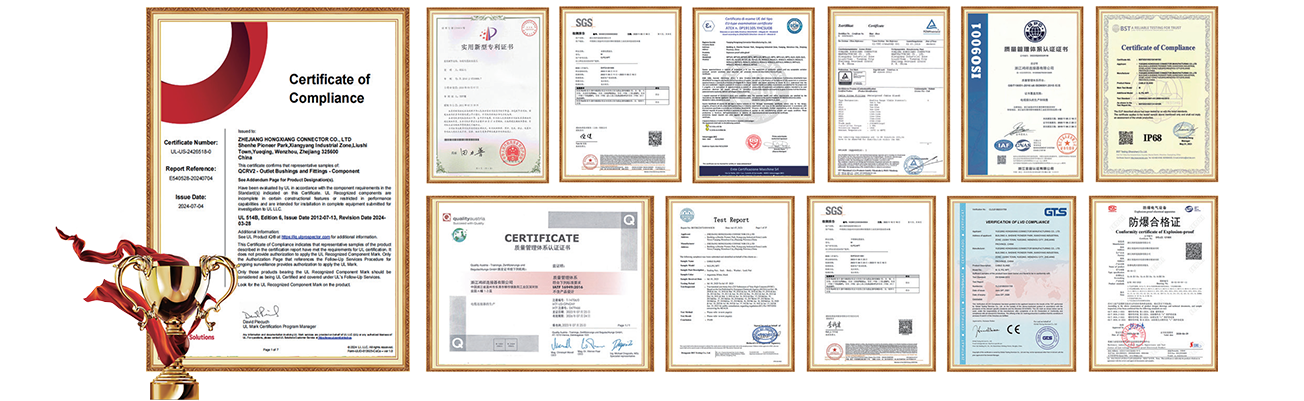
Its core product portfolio includes metal cable glands, nylon cable glands, waterproof cable glands, explosion-proof connectors, conduit fittings, and various customized connecting accessories. These products serve high-end sectors such as industrial electrical equipment, new energy equipment, rail transit, shipbuilding and heavy industry, construction machinery, military supporting facilities, and communication & industrial control. Adhering to stringent manufacturing standards and uncompromising quality requirements, the company has obtained a series of internationally recognized certifications, including ISO9001, IATF16949 automotive quality management system, CE, UL, ATEX explosion-proof certification, RoHS, and IP68 high-protection rating. Its core technologies and product performance have reached international advanced levels, with nearly 100 invention and utility model patents to its name, continuously driving technological upgrading across the industry.
Analyzing the technical demands and performance profiles of stainless steel cable entry systems across key sectors.
Utility-scale solar power plants are typically located in regions with high solar irradiance, such as deserts, plains, and arid highlands. While these locations are ideal for power generation, they expose electrical components to extreme environmental hazards. Solar trackers, combiner boxes, and central inverters face relentless ultraviolet radiation, sandstorms, and extreme temperature fluctuations between day and night. Thermal expansion and contraction can cause standard cable seals to shift, leading to micro-gaps that allow moisture or fine dust to enter the enclosure.
Stainless steel cable glands equipped with high-performance elastomeric seals (such as EPDM or silicone) maintain constant pressure on the cable jacket, regardless of temperature swings. The physical properties of grade 304 or 316 stainless steel ensure that the gland body does not warp, crack, or degrade under direct sunlight, ensuring an airtight seal for the entire operational life of the solar system. Furthermore, in floating solar installations (FPV) where equipment is placed on reservoirs or coastal waters, stainless steel glands prevent water ingress from high humidity and splashing water, securing the floating inverters and combiner boxes.
Wind energy installations present unique mechanical challenges. In onshore wind farms, turbines are subjected to continuous vibration generated by the rotating blades and the mechanical drive train inside the nacelle. This vibration can cause standard threaded connections to loosen over time, leading to loose cable seals and potential electrical failure. To counter this, stainless steel cable glands with double-lock mechanisms or integrated strain relief grips are used to secure power and control cables in the nacelle, tower, and transition pieces.
In offshore wind farms, the challenges are even more severe. The combination of high mechanical stress, constant salt-spray, and corrosive seawater makes grade 316L stainless steel mandatory. Cable entry systems on offshore substations and turbine towers must withstand high-pressure waves, heavy salt fog, and chemical exposure. Marine-grade stainless steel cable glands provide the necessary resistance to pitting and galvanic corrosion, protecting the internal power transmission systems that feed electricity back to the mainland grid.
Battery Energy Storage Systems are critical for stabilizing grids supplied by intermittent renewable energy. BESS enclosures house thousands of lithium-ion battery cells, power conversion systems (PCS), and liquid cooling networks. These enclosures are packed with high-voltage DC cables and sensitive communication lines. Key challenges in BESS installations include electromagnetic interference (EMI), heat dissipation, and safety risks associated with thermal runaway.
To address these issues, specialized stainless steel EMC (Electromagnetic Compatibility) cable glands are utilized. These glands feature internal grounding rings that contact the cable shield, directing electromagnetic noise to the enclosure ground and protecting sensitive control units from interference. Additionally, in the rare event of battery thermal runaway, gases can build up within the enclosure. Breathable or explosion-proof stainless steel cable glands help regulate internal pressure while preventing external moisture from entering, maintaining a safe and stable environment inside the BESS container.
Our journey of innovation, quality manufacturing, and global expansion since 2006.
Yueqing Hoonsun Cable Gland Manufacturing Co., Ltd. mainly produces waterproof brass cable glands, setting the foundation for high-quality metal manufacturing.
Factory relocated to a new workshop area reaching 2,000 square meters to accommodate growing market demands and scale up production.
Company introduced numerical control equipment and automatic counting machines, guiding the company to automated production technology.
The company developed a new design of cable seal and successfully applied for a patent (Patent Number: ZL201020530888.7).
Honored to be the supplier of special waterproof cable glands for the Aircraft Carrier "Liaoning". Our high-quality products were recognized globally and exported to international markets.
Focused on R&D for a variety of new products made of stainless steel, nylon, brass, and other materials to meet diverse industrial requirements.
The company's employees expanded to 80 people, and the core of the business expanded internationally, serving global clients.
Company relocated to a larger facility, upgrading the brand image to be more bright, modern, and internationally aligned.
The company was upgraded and the company name was changed to Zhejiang Hoonsun Cable Gland Co., Ltd.
The factory expanded to over 120 employees and 200+ production equipment, vigorously expanding into the photovoltaic and renewable energy industries.
How industry demands, material innovations, and certifications are shaping the future of industrial connectivity.
The future of renewable energy infrastructure lies in digitization and intelligent monitoring. As IoT sensors find their way into every corner of the grid, cable entry systems are also evolving. Researchers and manufacturers are exploring "smart cable glands" integrated with micro-sensors that can monitor temperature, moisture level, and vibration directly at the entry point. This allows operators to predict failures before they happen, scheduling preventative maintenance and reducing system downtime.
Additionally, environmental sustainability is influencing manufacturing processes. Companies are optimizing material usage, employing high-precision CNC machining to reduce scrap metal waste, and using recyclable packaging. The carbon footprint of producing stainless steel is offset by its extreme longevity, as it rarely requires replacement compared to plastic alternatives, supporting circular economy goals in green power projects.
When selecting cable glands for renewable energy projects, compliance with international standards is critical. The most common certifications include:
By ensuring that stainless steel cable glands carry these certifications, engineers can design electrical systems that are safe, durable, and fully compliant with global regulations. Investing in certified cable entry solutions is a key step in building resilient, future-proof green energy grids.
Strict adherence to international standards and quality certifications to ensure the safety and reliability of our products.

The company currently has more than 120 employees, more than 200 production equipment, and is equipped with a professional sales and management team, committed to improving production efficiency and product quality.
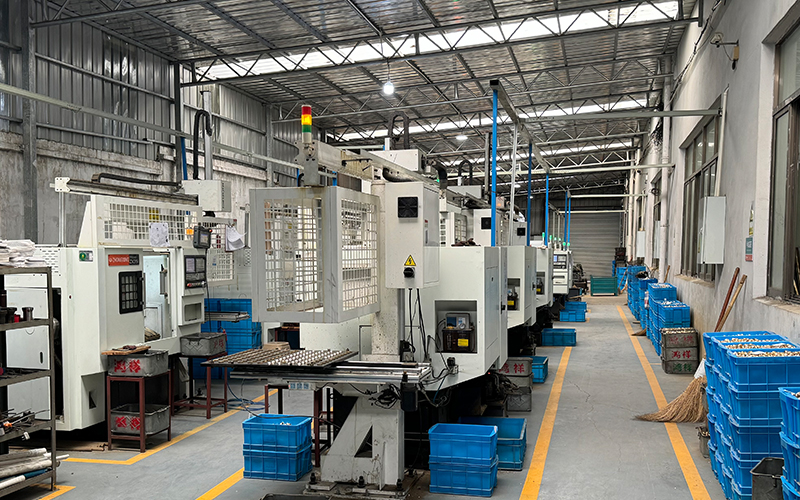
Mechanical Equipment
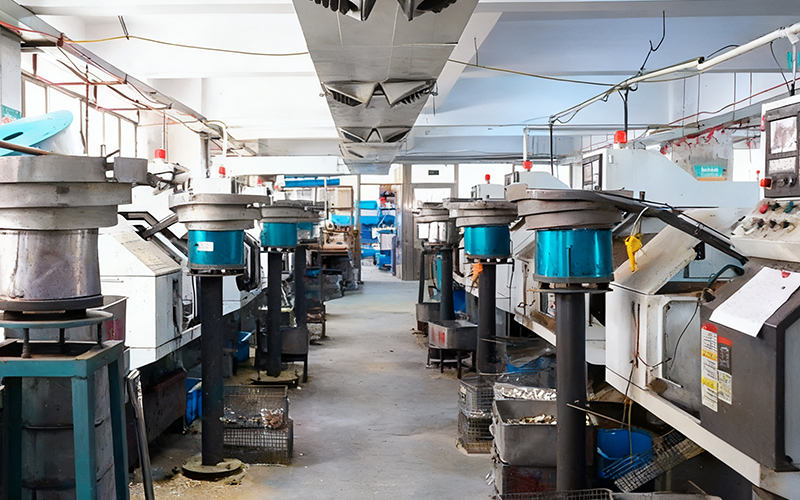
Mechanical Equipment
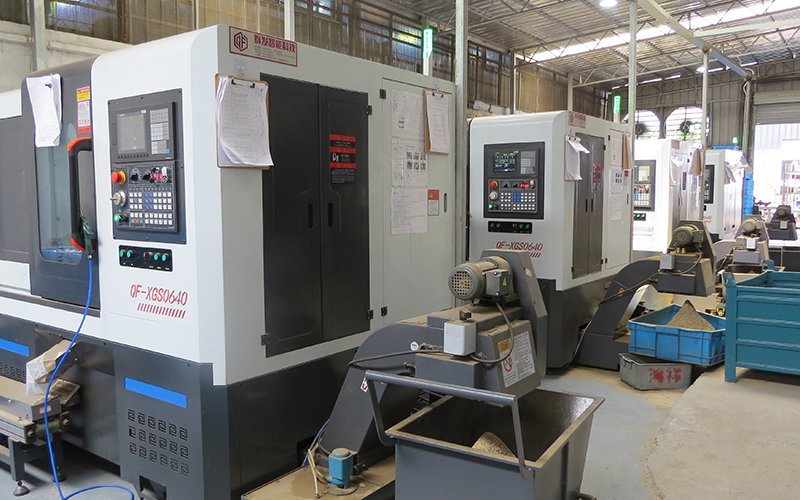
Mechanical Equipment
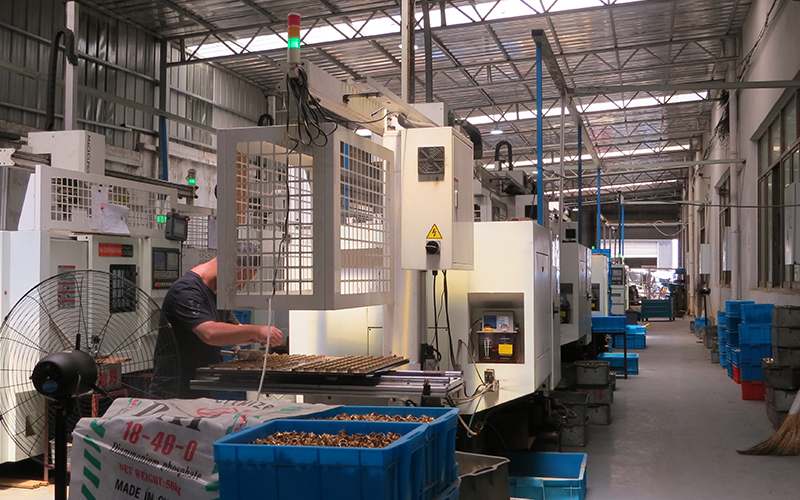
Mechanical Equipment
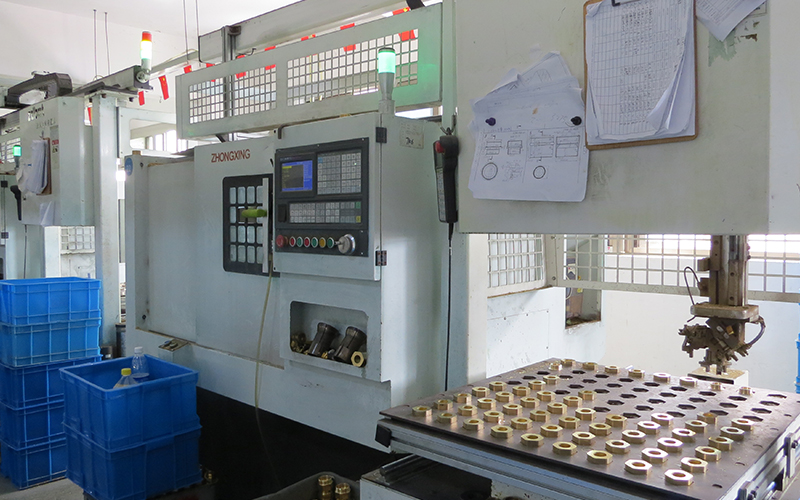
Mechanical Equipment
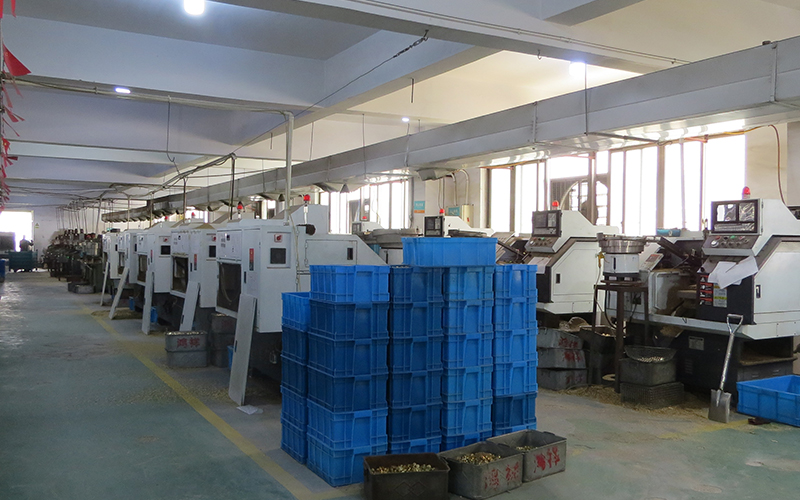
Mechanical Equipment
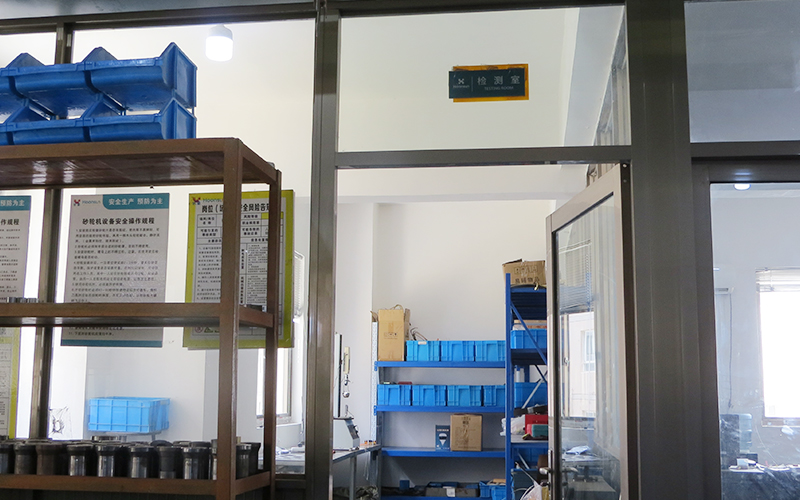
Testing Room
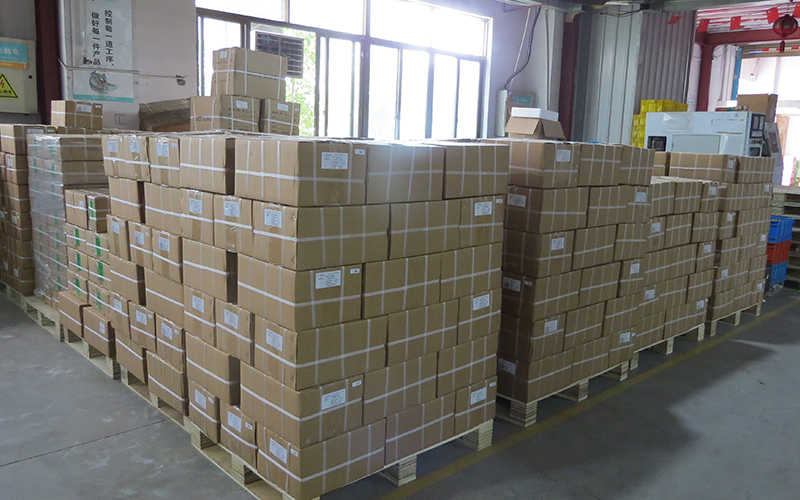
Product Stacking
Explore our full line of industrial cable protection systems designed for renewable energy, marine, and explosion-proof applications.