Inquiry
Form loading...
-
Phone
-
E-mail
-
Whatsapp
-
WhatsApp

Explore our high-performance single cable entry systems designed to maintain hermetic sealing in fiber optic distribution boxes, 5G base stations, and communication cabinets.
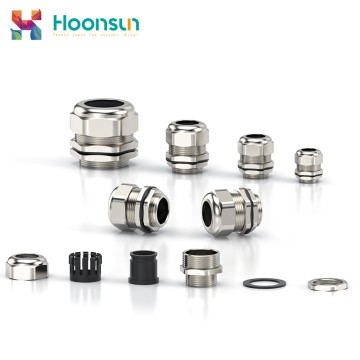
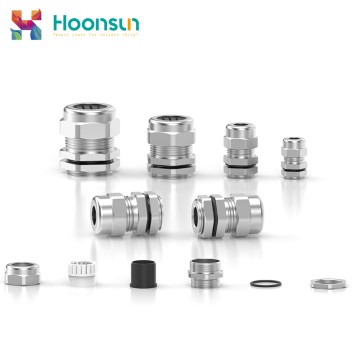

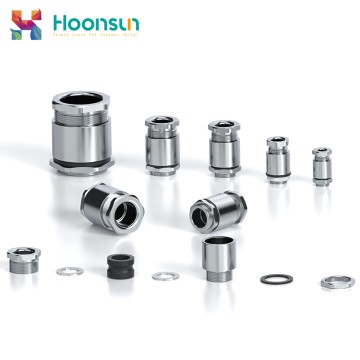
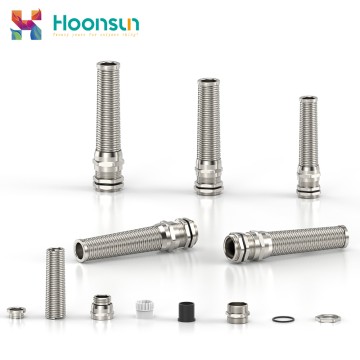
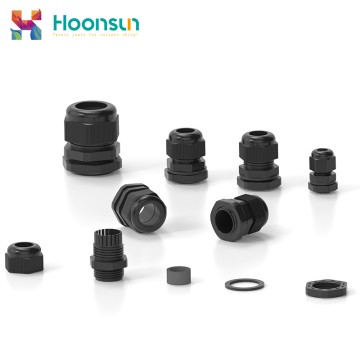
In the rapidly evolving landscape of telecommunications, the physical infrastructure supporting high-speed data transmission must be resilient, secure, and highly durable. Telecommunication enclosures—ranging from fiber optic distribution cabinets and outdoor cellular base stations to street-side broadband boxes and edge computing units—house sensitive electronic components that are highly vulnerable to environmental factors. The entry point of cables into these enclosures represents a primary vulnerability. This is where the single cable gland becomes indispensable.
A single cable gland is designed to secure a single cable as it passes through the enclosure wall, providing mechanical strain relief, electrical continuity (where grounding or shielding is required), and a hermetic seal against dust, water, and gas. In telecom applications, where signal integrity and continuous uptime are paramount, selecting a high-grade, UL-certified, IP68-rated cable gland is not merely an accessory choice; it is a fundamental engineering requirement that determines the longevity of the entire network node.
Industrial Insight: With the global rollout of 5G networks and the proliferation of Internet of Things (IoT) nodes, telecommunication enclosures are increasingly deployed in harsh outdoor environments, from humid coastal regions to dry, sun-baked deserts. A failure in a single cable entry point can lead to moisture ingress, causing short circuits, signal degradation, and catastrophic equipment failure.
Today, the global market for telecommunication enclosures and their associated cable entry systems is experiencing unprecedented growth. The transition from legacy copper networks to high-density fiber-optic systems (FTTH/FTTX) requires enclosures that can manage high volumes of optical fibers. Unlike traditional electrical cables, optical fibers are highly sensitive to bending, tension, and pressure. Therefore, single cable glands used in telecom enclosures must feature specialized elastomeric seals (such as NBR, EPDM, or silicone) that grip the cable firmly to prevent slippage while avoiding excessive radial pressure that could induce micro-bending losses in the fiber.
Furthermore, the commercial trend toward modularity and rapid field deployment has forced manufacturers of cable glands to innovate. Quick-install mechanisms, wide clamping ranges, and compatibility with pre-terminated fiber assemblies are now standard requirements. Industrial telecommunication projects demand components that comply with global safety and performance standards, such as UL (Underwriters Laboratories) certification for fire safety, and IP68/IP69K ratings for ingress protection. Zhejiang Hongxiang Connector Co., Ltd. has positioned itself as a leading supplier by offering a diverse portfolio of metal and nylon cable glands designed specifically to meet these stringent industry expectations.
Ensures complete protection against dust ingress and continuous immersion in water under pressure, vital for outdoor street cabinets and underground vaults.
Metal cable glands with electromagnetic compatibility (EMC) features prevent high-frequency interference from disrupting sensitive telecom signals.
Nylon and stainless steel variants offer exceptional resistance to solar radiation, ozone, and extreme temperature fluctuations from -40°C to +100°C.
In 5G wireless networks, Remote Radio Units (RRUs) are typically installed on towers, rooftops, or utility poles, directly exposed to wind, rain, and extreme solar heating. These units connect to the Baseband Unit (BBU) via hybrid cables containing both power conductors and optical fiber pairs. The entry point of these heavy hybrid cables into the RRU enclosure requires a heavy-duty metal cable gland. Nickel-plated brass or stainless steel single cable glands provide the necessary mechanical strength to support the heavy cable weight and withstand high wind loads, preventing strain on the internal connectors. Additionally, they provide a secure path for EMC grounding, ensuring that lightning strikes or electromagnetic surges do not damage the sensitive radio frequency (RF) electronics inside.
Fiber Optic Splice Closures (FOSCs) and Fiber Distribution Hubs (FDHs) are the critical routing points in FTTX networks. These enclosures are often installed in underground manholes or handholes, where they may be fully submerged in muddy water for extended periods. A single cable gland installed in these enclosures must provide a perfect IP68 hermetic seal. The sealing insert of the gland must adapt to the smooth, round jacket of the fiber cable. In these scenarios, single compression-type cable glands made of high-grade nylon PA66 are highly favored due to their corrosion resistance, light weight, and ease of manual installation in tight spaces.
The rise of edge computing has led to the deployment of mini-data centers in urban and industrial environments. Similarly, smart cities rely on a dense network of IoT nodes, including surveillance cameras, environmental sensors, and traffic control units. These small, compact enclosures require miniature single cable glands that save space while offering maximum ingress protection. Nylon anti-bending cable glands are commonly utilized here to prevent the cables from kinking at sharp angles, which could cause signal degradation or physical wear over time.
Looking ahead, several trends are shaping the future of single cable glands in the telecommunications sector:
Founded in 2006, Zhejiang Hongxiang Connector Co., Ltd. is rooted in Yueqing, Zhejiang — a national hub for precision electrical manufacturing in China. After nearly two decades of dedicated development, the company has evolved into a large modern industrial connectivity solutions provider integrating R&D and design, large-scale intelligent manufacturing, global sales, and one-stop services. It stands as a benchmark enterprise of considerable scale and influence in China’s cable gland and connector industry, and a key player among national high-tech enterprises.
Boasting a modern intelligent manufacturing industrial park, the company operates a standardized production workshop of over 10,000 square meters, equipped with multiple high-precision automated production lines, CNC machining centers, and a full-process quality control laboratory, establishing an industry-leading large-scale manufacturing system. With a core team of more than 300 professionals — over 30% of whom are R&D and quality management personnel — its annual production capacity exceeds 80 million units. The company is fully capable of handling large-volume orders, urgent custom projects, and long-term strategic supply partnerships for domestic and international clients, ranking among the industry’s top tier in both production capacity and delivery efficiency.
Its core product portfolio includes metal cable glands, nylon cable glands, waterproof cable glands, explosion-proof connectors, conduit fittings, and various customized connecting accessories. These products serve high-end sectors such as industrial electrical equipment, new energy equipment, rail transit, shipbuilding and heavy industry, construction machinery, military supporting facilities, and communication & industrial control. Adhering to stringent manufacturing standards and uncompromising quality requirements, the company has obtained a series of internationally recognized certifications, including ISO9001, IATF16949 automotive quality management system, CE, UL, ATEX explosion-proof certification, RoHS, and IP68 high-protection rating. Its core technologies and product performance have reached international advanced levels, with nearly 100 invention and utility model patents to its name, continuously driving technological upgrading across the industry.
Whether you’re a beginner or an experienced practitioner, a high-quality yoga attire set can provide you with optimal comfort and flexibility, allowing you to reap the maximum benefits from every practice.
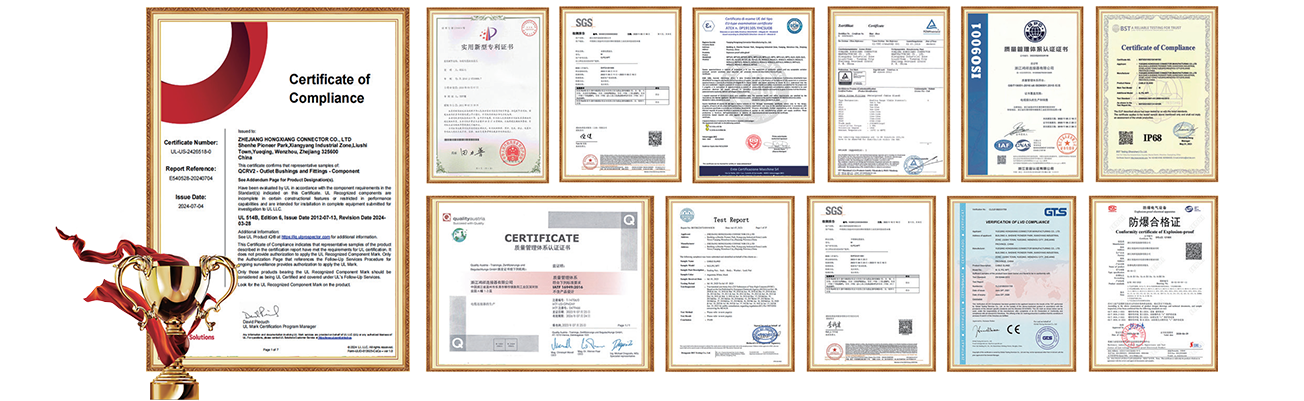

The company currently has more than 120 employees, more than 200 production equipment, and is equipped with a professional sales and management team, committed to improving production efficiency and product quality.
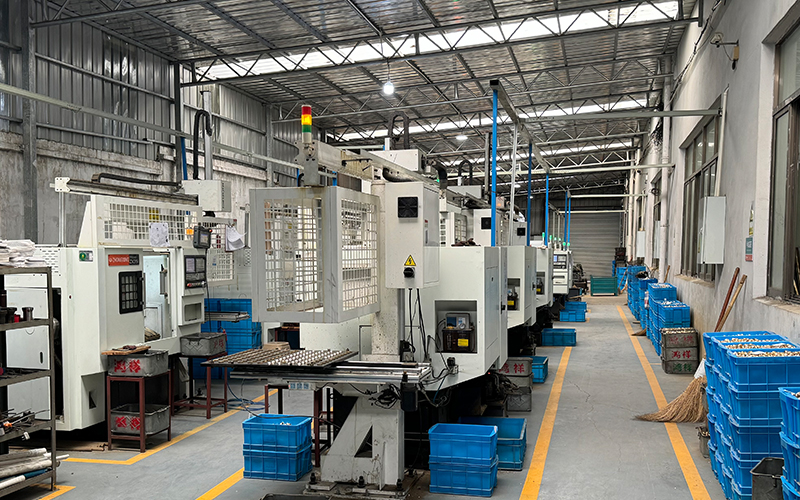
Mechanical equipment
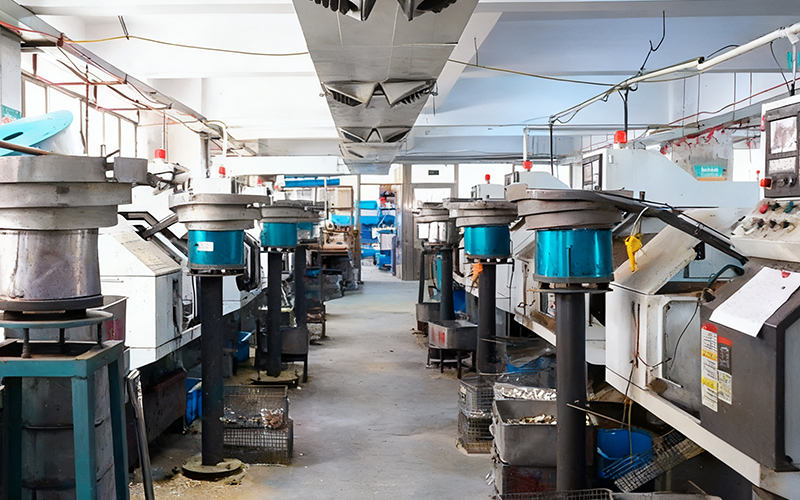
Mechanical equipment
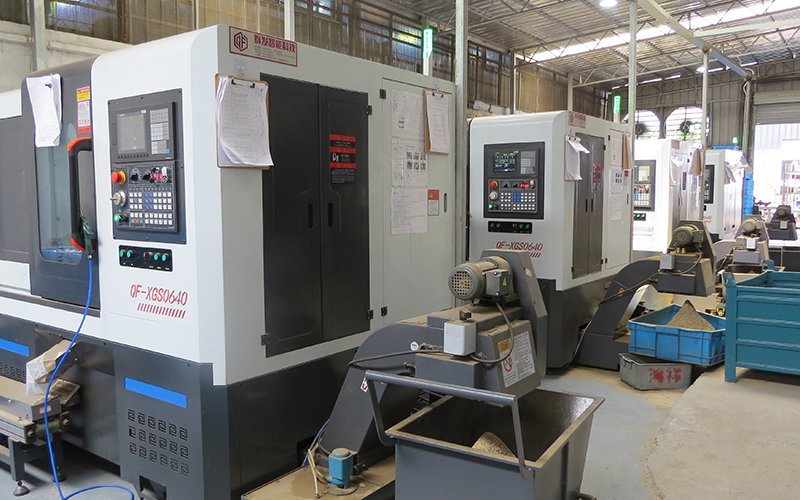
Mechanical equipment
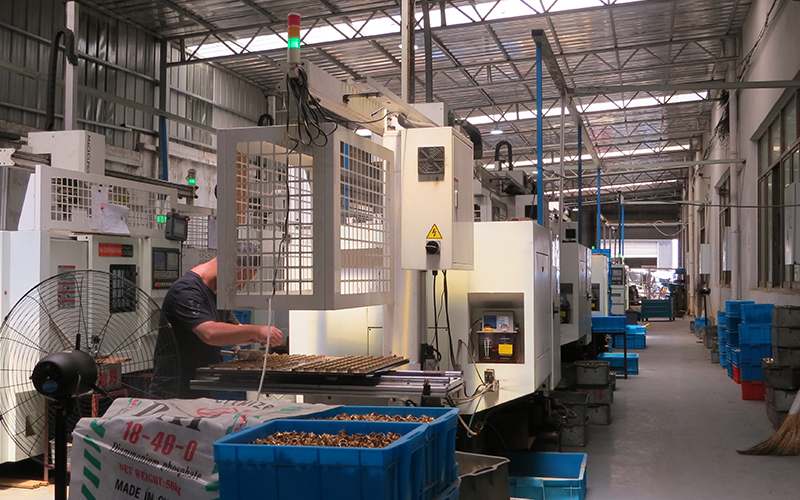
Mechanical equipment
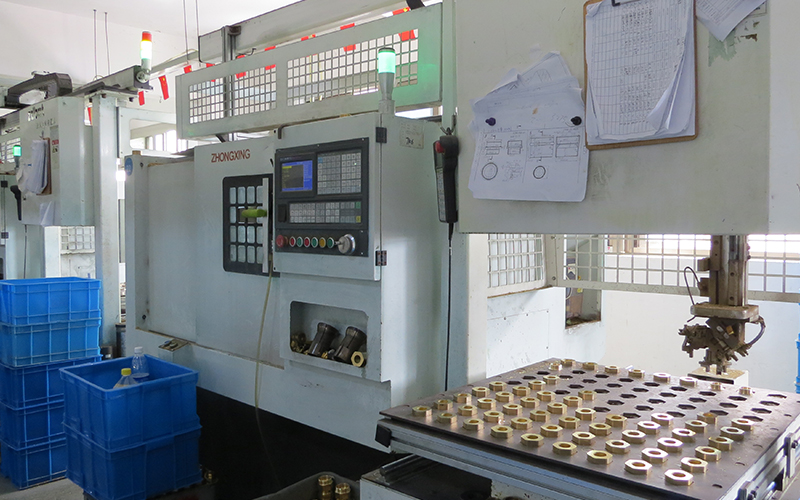
Mechanical equipment
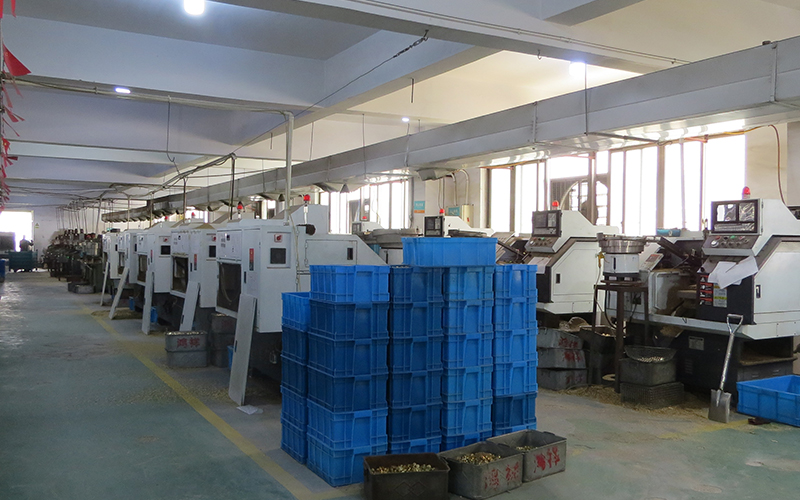
Mechanical equipment
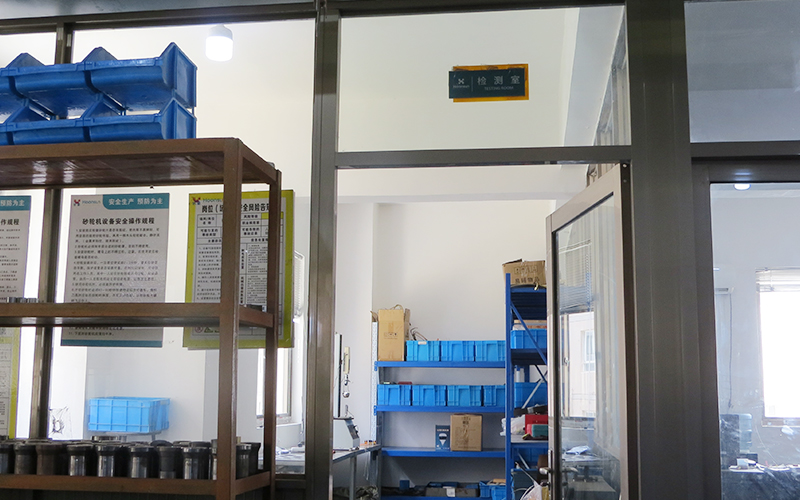
Testing room
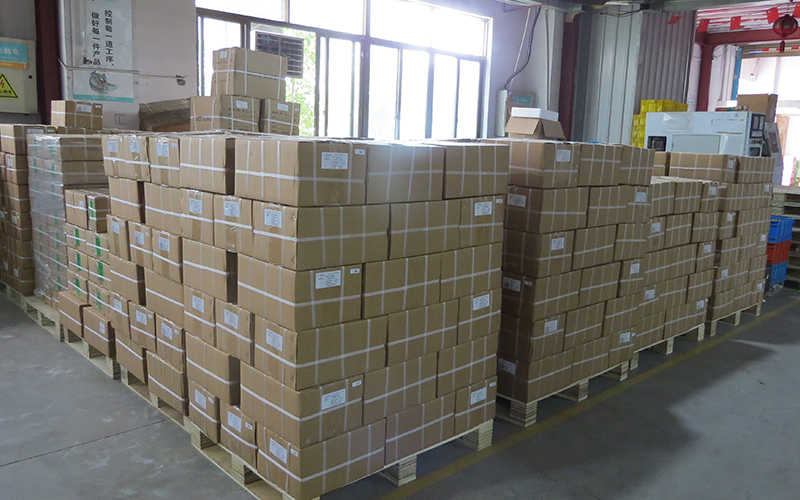
Product stacking