

Why Do Metal Cable Glands Lose Performance and Get Damaged in Harsh Industrial Environments?
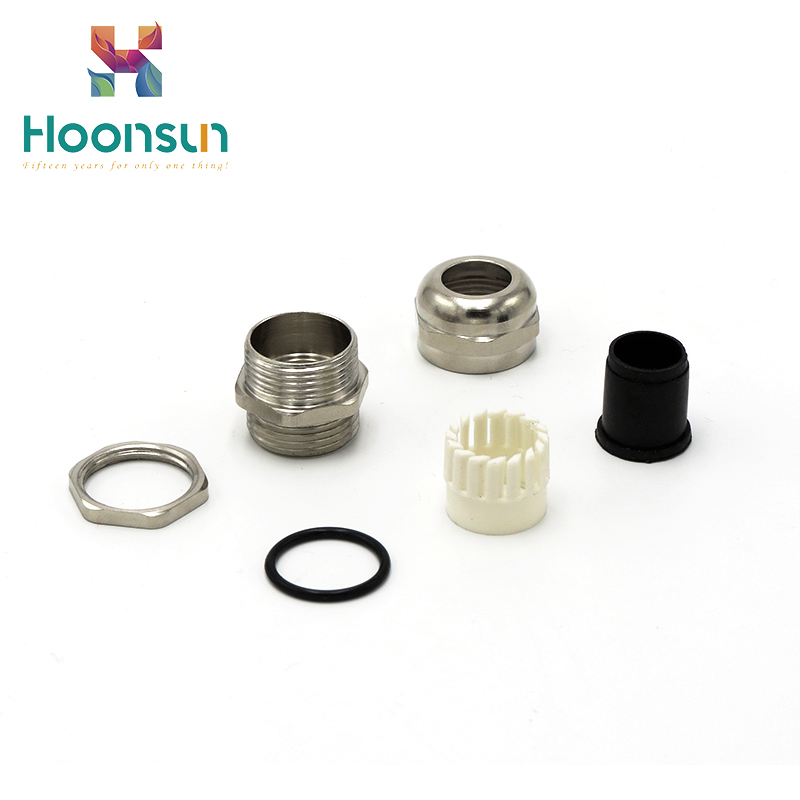
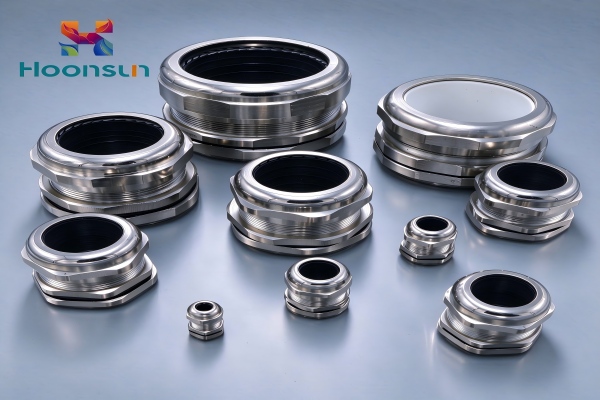
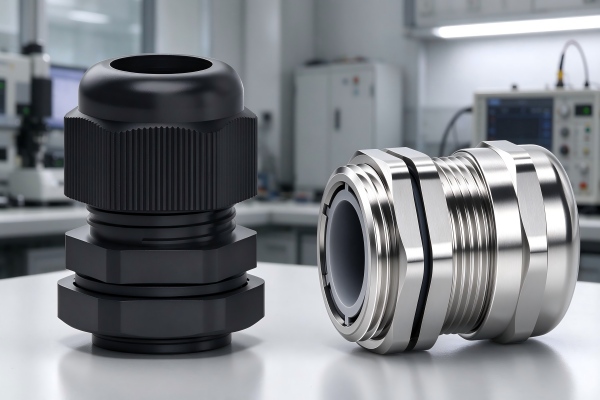
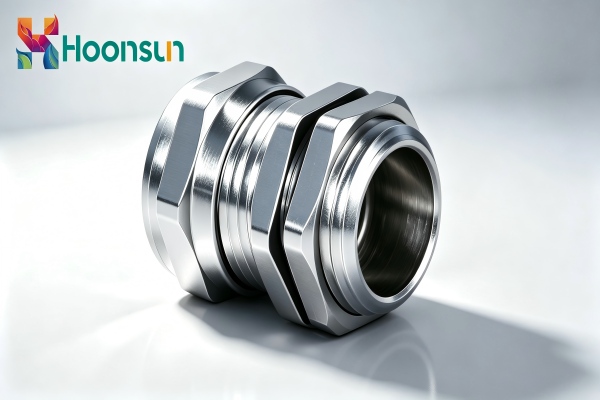
Metal Cable Glands are the core sealing and fixing components for industrial armoured cable wiring systems. Unlike plastic cable fittings, high-grade Metal Cable Glands undertake dual responsibilities of mechanical fixing and equipment earthing.
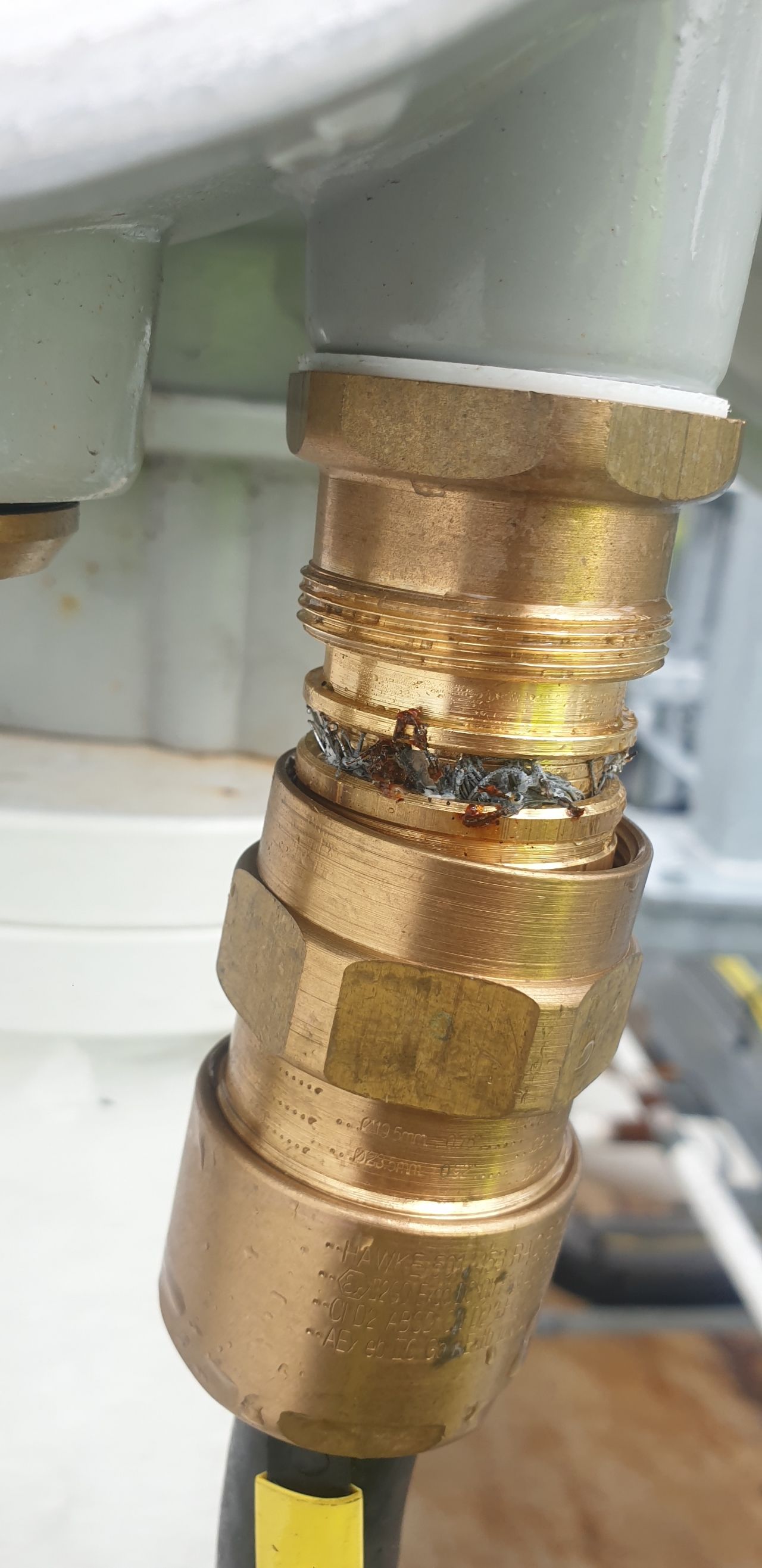
However, a large number of on-site damaged cases prove that even metal cable connectors will fail prematurely under extreme working conditions. Common damage includes thread deformation, loose armour clamping, seal failure and internal metal oxidation.
Most buyers attribute damage to product quality problems, yet performance attenuation caused by environmental stress is often ignored. Understanding the real performance failure mechanism helps engineers avoid repeated wiring faults.
Industrial machinery, marine decks and port cranes generate long-term high-frequency vibration. Ordinary Metal Cable Glands without precision compression structure cannot maintain stable clamping force.
Continuous vibration slowly loosens the lock nut and compression ring. The steel wire armour inside the cable gland gradually shifts and separates from the metal contact surface.
Once the armour loses effective clamping, the earthing continuity system completely fails. This is one of the most hidden and dangerous performance failures for industrial power distribution systems.
The core performance advantage of qualified Metal Cable Glands is IP68 dustproof and waterproof capability. Damaged Metal Cable Glands on-site mostly suffer from invalid sealing structures.
Uneven clamping force during installation causes the rubber seal to deform and crack. Humid air, rainwater and salt spray penetrate into the cable gland interior.
The exposed steel wire armour absorbs moisture and gradually rusts. Rust accumulation further squeezes the internal structure, resulting in irreversible damage to the entire metal cable connector.
Unplated ordinary Metal Cable Glands have poor oxidation resistance. In coastal, chemical and humid factory environments, metal surfaces oxidize rapidly.
Oxidized threads produce rust layers, which increase assembly friction and cause incomplete locking. Over time, the cable gland cannot provide stable mechanical fixing performance.
High-quality industrial metal cable glands adopt nickel-plated anti-corrosion treatment to maintain stable performance in high-humidity and salt-fog environments for decades.
| Failure Mode | Key Causes | Performance Impact |
|---|---|---|
| 1. Vibration Resistance Degradation | Long-term high-frequency vibration; loose lock nut & compression ring. | Armour shifts, earthing continuity system completely fails. |
| 2. Waterproof Sealing Failure | Uneven clamping force; rubber seal deformation & cracking. | Moisture penetration, rusted steel wire armour, internal corrosion. |
| 3. Anti-Corrosion Defects | Unplated metal surfaces; rapid oxidation in coastal/humid environments. | Oxidized threads, incomplete locking, unstable mechanical fixing. |
Metal cable gland performance damage is progressive. Early loose clamping and slight seal deformation will not cause immediate shutdown.
After 3 to 6 months of operation, small performance defects will evolve into short circuits, equipment tripping and wiring system paralysis.
Regular vibration inspection and seal aging detection are necessary maintenance operations for all outdoor metal cable gland installations.
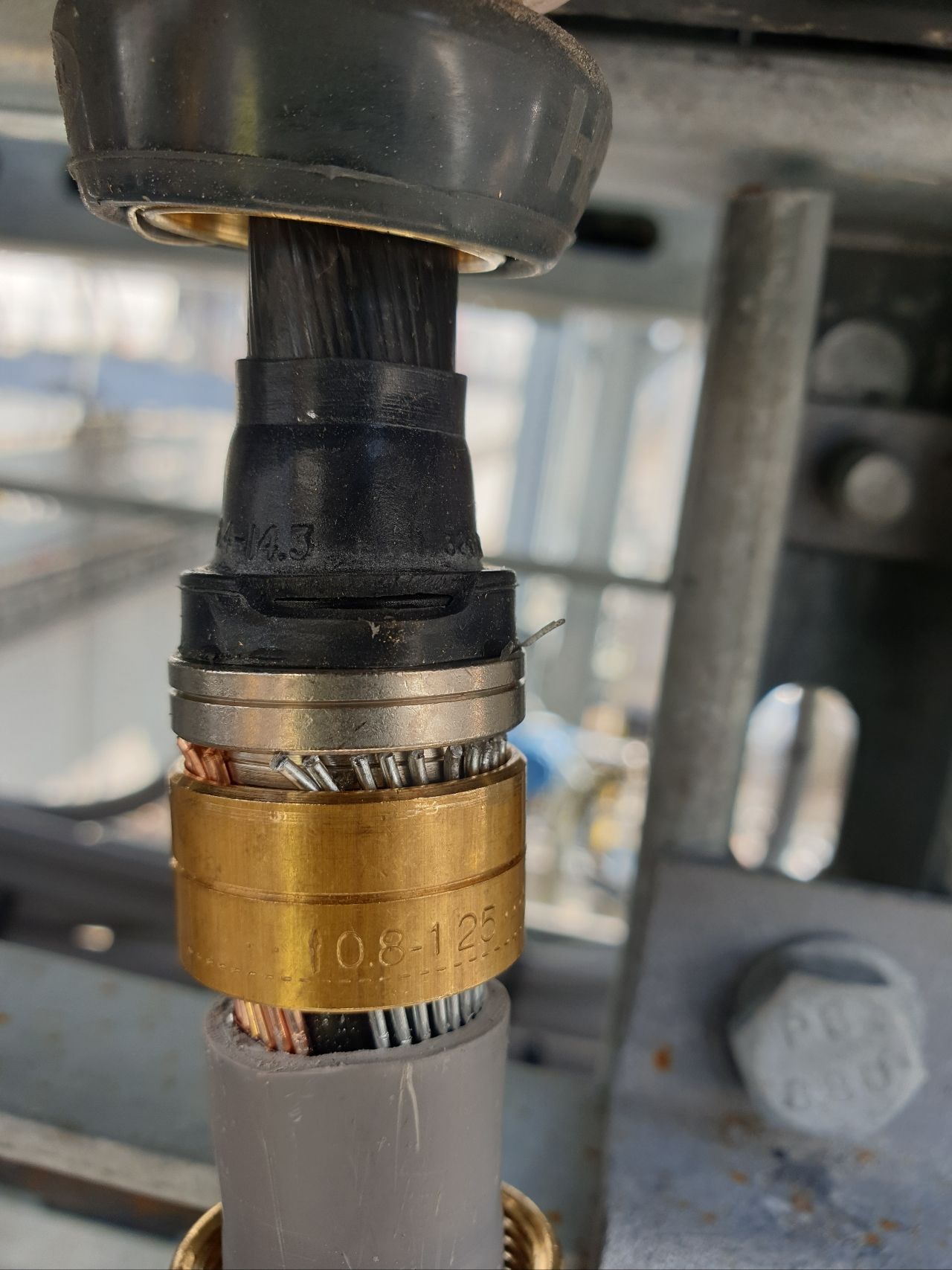
In summary, the main causes of damaged metal cable glands are vibration resistance attenuation, sealing failure and insufficient anti-corrosion performance. High-performance metal cable connectors solve industrial wiring safety hazards fundamentally.
If you need durable industrial metal cable glands, please send your cable parameters and working environment requirements. You can also request free product samples and complete dimension tables for accurate model matching.