


Common Mistakes When Choosing Between Metal and Nylon Cable Glands
Common Mistakes When Choosing Between Metal and Nylon Cable Glands
These five mistakes rarely cause immediate failure — they show up months or years later as leakage, loosening, corrosion or cable damage. Spot them before your project pays the price.
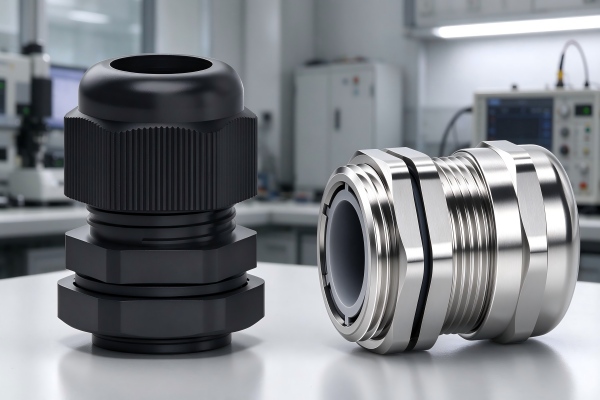
Even experienced electrical engineers make predictable errors when selecting between metal and Nylon Cable Glands. These mistakes rarely cause immediate failure, but they show up months or years later asleakage, loosening, corrosion or cable damage. Recognizing these common pitfalls helps procurement and engineering teams avoid costly rework.
Standardising on One Material Across a Whole Project
The Blanket Specification Error
Many teams specify all-nylon for cost or all-metal for durability across every enclosure. This overspends on benign indoor entries with unnecessary metal, or under-specifies nylon for outdoor and vibrating entries, causing early failures. The best projects use a mix: metal for harsh entries, nylon for benign ones.
Ignoring Thermal Cycling in Outdoor Nylon Selection
The Slow Leakage Pattern
Nylonexpands and contracts with temperature. In outdoor cabinets exposed to daily sun and night cooling, Nylon Glands gradually loosen the EPDM seal. The first sign is often dust buildup inside the enclosure, then moisture after rain.
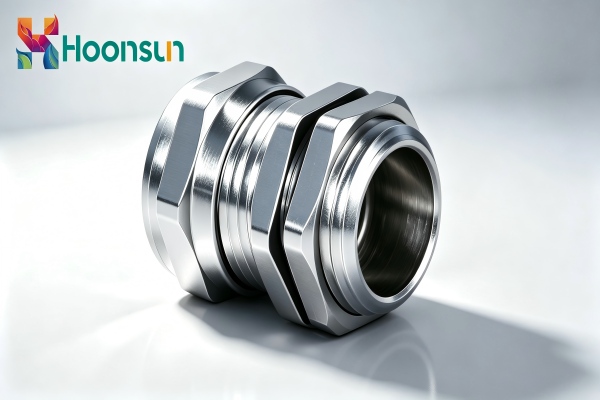
Outdoor permanent installations should use metal glands regardless of purchase price.
Underestimating Vibration Loosening
Why Nylon Fails on Running Machinery
On pumps, fans, conveyors and production machines, vibration slowly works Nylon Glands loose. The plastic body does not maintain the same torque retention as metal threads. Teams that use nylon on running equipment often find loose nuts and shifted cables during maintenance inspections.
Over-Tightening Nylon Glands
Torque Damage
Installers often apply the same torque to nylon as to brass, stripping the plastic threads or cracking the body. Nylon requires roughly half the torque of an equivalent metal gland.
Using a calibrated torque wrench prevents both over-tightening damage and under-tightened seals.
Neglecting UV Exposure for Outdoor Nylon
The Brittleness Timeline
Unstabilized nylon darkens, becomes brittle and cracks after one to two years of direct sunlight. Even when the seal holds, the body fractures. Outdoor installations require UV-stabilized nylon at minimum, or metal for long-term reliability.
FAQ
Conclusion: Match Material to Environment
Most metal-versus-nylon selection mistakes come from blanket specification, ignoring thermal cycling, underestimating vibration, over-tightening nylon and neglecting UV exposure. Match material to each cable entry’s environment and follow correct torque guidance. Our technical team provides sizing and material selection support.
Get Selection Support