


Cable Gland Selection Notes for Outdoor and Smart Lighting Fixtures
Cable Gland Selection Notes for Outdoor and Smart Lighting Fixtures
IP sealing, corrosion resistance, compact form factor and strain relief — the four factors that determine long-term luminaire reliability.
Lighting fixtures face a unique set of electrical connection challenges: they are exposed to rain, dust, salt air and wide temperature swings, yet must remain safe and maintenance-free for years. The cable gland at each fixture entry is a small component that plays a surprisingly large role in long-term reliability.
1. Outdoor Fixtures Need Consistent IP Sealing
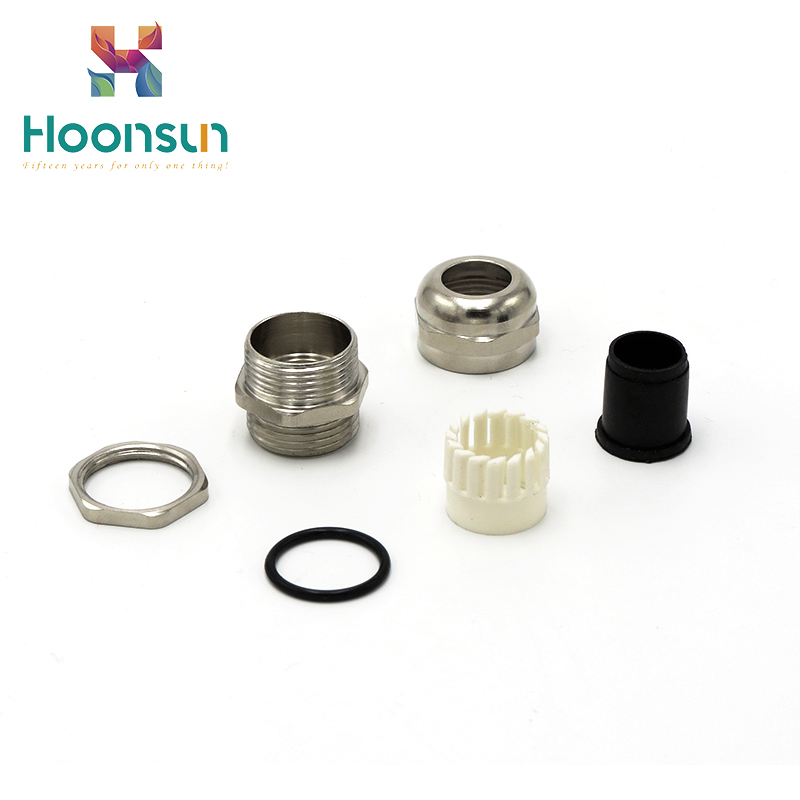
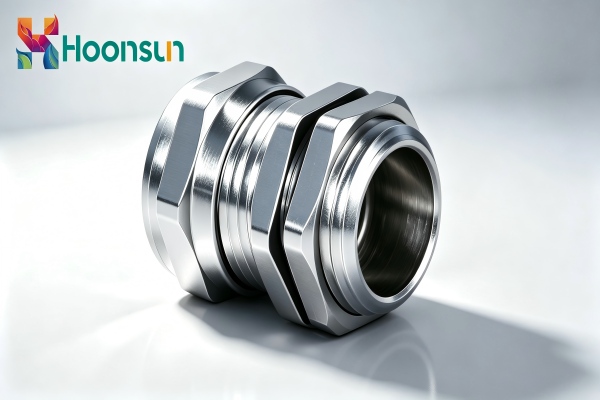
Outdoor LED floodlights, street lights and tunnel lights rely on the gland to keep water and dust out. An IP68-rated brass or stainless steel gland with a correctly sized EPDM seal maintains a reliable barrier through prolonged rain and occasional flooding. When the gland size does not match the cable OD, the seal cannot compress evenly and water eventually enters the housing.
2. Corrosion Resistance in Coastal and High-Humidity Sites
Budget brass fittings commonly fail after a few years of coastal exposure — material grade is a long-term cost decision, not a line-item saving.
3. Compact Design for Slim Luminaire Housings
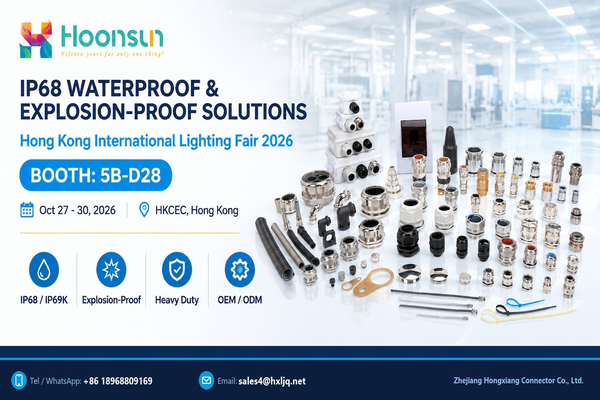
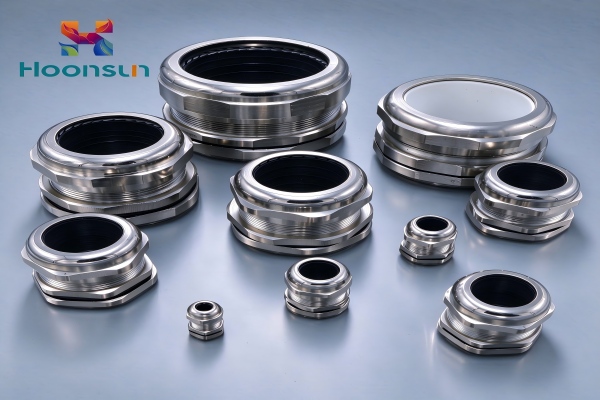
Modern LED floodlights and architectural luminaires use thinner walls and tighter internal space. Glands with compact overall height and short thread length help designers maximize internal driver space without compromising sealing. A range of compact-profile glands will be on display at Booth 5B-D28.
4. Vibration and Thermal Movement
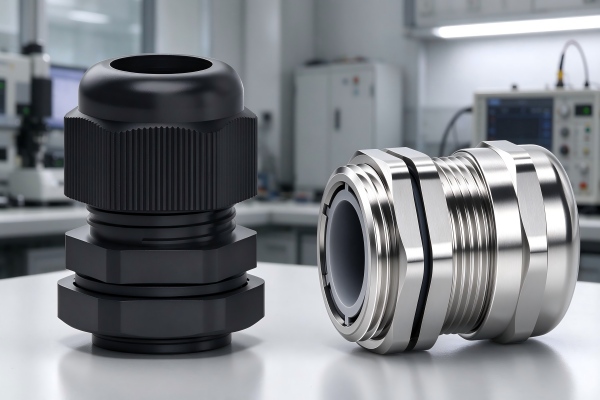
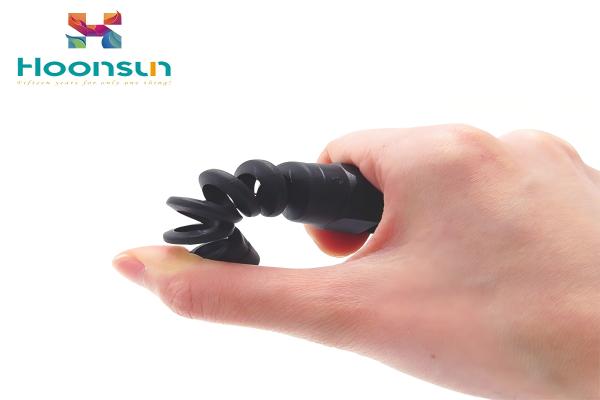
Lighting poles and high-mast installations experience wind vibration and daily thermal expansion. A gland with good strain relief and lock-nut capability resists loosening over time; nylon strain-relief variants are available for flexible cable entries where movement is expected.
Frequently Asked Questions
Review Your Fixture Requirements in Person
Matching IP rating, material grade, thread size and compact form factor to the actual installation environment — visit us at Booth 5B-D28 during the Hong Kong International Lighting Fair 2026.
Discuss Your Fixture Specs