Inquiry
Form loading...
-
Phone
-
E-mail
-
Whatsapp
-
WhatsApp

Explore our high-performance, small-scale cable glands engineered specifically for tight spaces in renewable energy installations.
In the rapidly transforming landscape of global energy, renewable resources such as solar photovoltaic (PV), wind, hydrogen, and battery energy storage systems (BESS) have transitioned from alternative options to the very core of power generation. As these systems become more sophisticated, the demand for miniaturization, efficiency, and extreme durability at the component level has surged. This is where the cable gland small size plays a disproportionately vital role.
Historically, industrial cable glands were bulky components designed for heavy-duty, high-voltage distribution. However, modern clean energy systems utilize a complex web of low-voltage control signals, high-density sensor networks, and localized micro-inverters. Managing these delicate connections requires compact, highly reliable sealing solutions. A small cable gland provides the necessary ingress protection, strain relief, and environmental shielding without adding unnecessary weight or occupying valuable space inside compact enclosures.
Modern solar panels, wind turbine monitoring systems, and battery packs are packed with advanced IoT sensors, communication modules, and microprocessors. These devices require small-diameter cables to transmit data and low-voltage power. Using oversized cable glands on small cables leads to improper seals, resulting in moisture ingress, system short-circuits, and catastrophic downtime. Engineered small cable glands guarantee an airtight, IP68-rated seal on cables as thin as 2mm, ensuring continuous system operation under severe conditions.
The global market for renewable energy components is experiencing unprecedented growth, driven by international carbon-neutrality mandates. According to recent industrial market analyses, the demand for specialized cable management accessories in the solar and wind sectors is growing at a CAGR of over 8.5%. Within this segment, small-sized cable glands (specifically sizes ranging from M12 to M20, and equivalent PG sizes) represent the fastest-growing sub-category.
Industries are shifting away from generic off-the-shelf plastic connectors toward highly certified, specialized materials. In solar farms, components must withstand decades of direct UV exposure, extreme thermal cycling, and ozone degradation. In offshore wind and marine environments, salt-spray corrosion resistance is paramount. Consequently, manufacturers like Zhejiang Hongxiang Connector Co., Ltd. are investing heavily in advanced polymers (such as UL94-V0 flame-retardant nylon) and corrosion-resistant metals (including nickel-plated brass and 316L stainless steel) to meet these rigorous industrial benchmarks.
To understand the critical nature of small cable glands, we must look at where they are deployed within modern green energy installations. Their applications go far beyond simple wire entry points; they are essential safeguards for sensitive high-tech electronics.
In utility-scale solar farms, tracking systems continuously adjust the angle of the PV panels to follow the sun. These trackers rely on small control boxes containing inclinometers, GPS modules, and motor controllers. Small cable glands are used to seal the incoming power and sensor cables. Because these boxes are exposed to harsh sunlight, wind-blown sand, and heavy rain, the cable glands must feature exceptional UV stability and IP68 water protection to prevent internal electronics from failing.
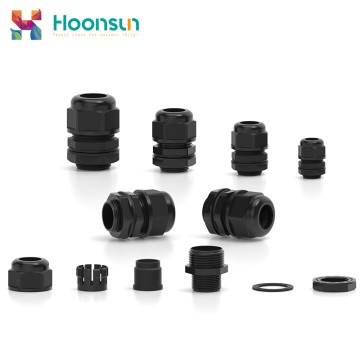
Furthermore, the rise of micro-inverters—where each solar panel has its own dedicated inverter mounted directly underneath—has dramatically increased the density of small-diameter AC and DC wiring. Small, split-type nylon cable glands allow pre-terminated cables to pass through enclosure walls quickly, reducing installation time and ensuring a factory-grade seal in the field.
Wind turbines are massive structures subjected to intense vibration and mechanical stress. Inside the nacelle (the housing at the top of the tower), a multitude of sensors monitor wind speed, direction, rotor temperature, gearbox vibration, and structural integrity. The cables carrying these critical signals are typically shielded and thin.
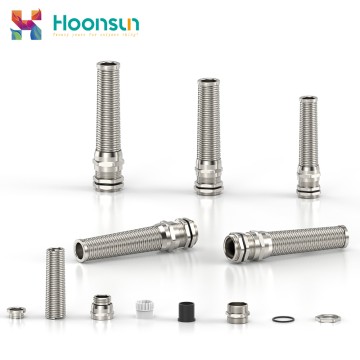
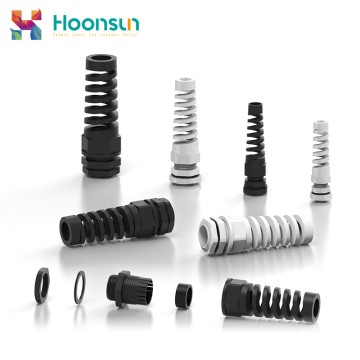
Small cable glands with anti-bending spiral guards are utilized here to prevent cable fatigue and eventual breakage caused by the constant movement and high vibrations of the turbine. Additionally, marine wind farms require marine-certified (JIS or certified metal) small cable glands that can resist the highly corrosive action of saltwater mist while maintaining absolute ingress protection.
Energy storage is the backbone of grid stability for intermittent renewable sources. A modern BESS consists of thousands of individual lithium-ion battery cells managed by a centralized Battery Management System (BMS). The BMS monitors cell voltage, temperature, and state of charge via a dense network of thin communication cables.
Small cable glands are critical in BESS control cabinets to organize these cables and prevent thermal runaway propagation by sealing cabinet segments. In these applications, flame retardancy (UL94-V0 rating) and explosion-proof certifications (such as ATEX or IECEx) are mandatory to ensure that any localized electrical fault does not trigger a larger fire or explosion.
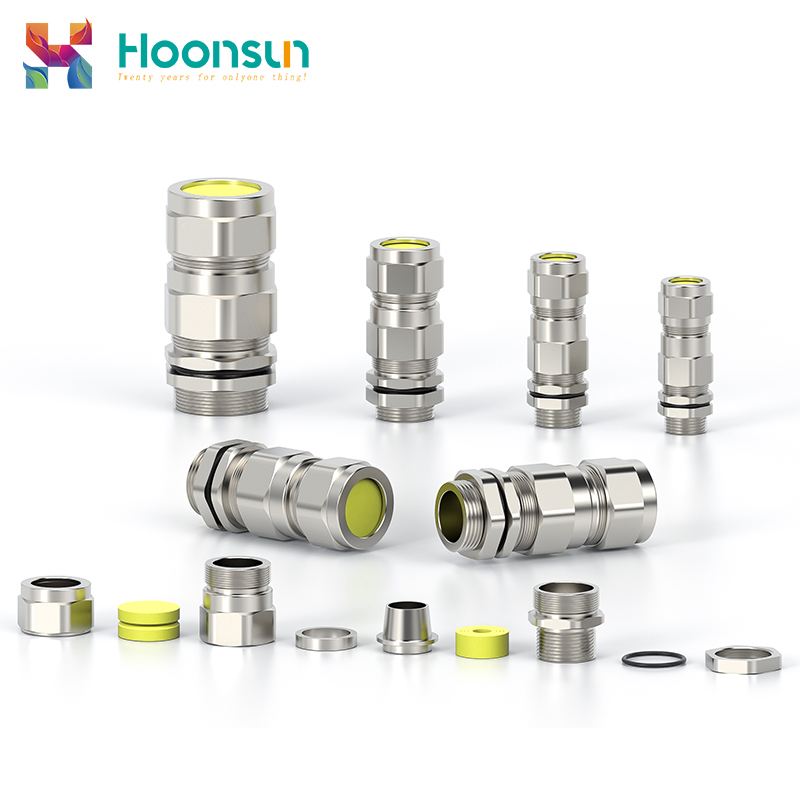
As green hydrogen emerges as a key energy carrier, the infrastructure for hydrogen production (electrolyzers) and distribution is expanding. Hydrogen is the smallest and most leak-prone gas molecule, and it is highly flammable. Electrical enclosures in these zones must be strictly explosion-proof. Specialized small explosion-proof cable clamps and sealing joints (like the EX3 and EX5 series) are required to secure sensor cables in Zone 1 and Zone 2 hazardous areas, preventing any potential spark from contacting trace hydrogen gas.
As we look to the future, the design of small cable glands is evolving in tandem with smart grid technologies and advanced material science. We are seeing several key trends that will shape the industry over the next decade:
By staying ahead of these trends, Zhejiang Hongxiang Connector Co., Ltd. continues to deliver cutting-edge solutions that empower global renewable energy projects to run safely, efficiently, and without interruption.
Zhejiang Hongxiang Connector Co., Ltd. — A Global Leader in Cable Gland Manufacturing
Founded in 2006, Zhejiang Hongxiang Connector Co., Ltd. is rooted in Yueqing, Zhejiang — a national hub for precision electrical manufacturing in China. After nearly two decades of dedicated development, the company has evolved into a large modern industrial connectivity solutions provider integrating R&D and design, large-scale intelligent manufacturing, global sales, and one-stop services. It stands as a benchmark enterprise of considerable scale and influence in China’s cable gland and connector industry, and a key player among national high-tech enterprises.
Boasting a modern intelligent manufacturing industrial park, the company operates a standardized production workshop of over 10,000 square meters, equipped with multiple high-precision automated production lines, CNC machining centers, and a full-process quality control laboratory, establishing an industry-leading large-scale manufacturing system. With a core team of more than 300 professionals — over 30% of whom are R&D and quality management personnel — its annual production capacity exceeds 80 million units. The company is fully capable of handling large-volume orders, urgent custom projects, and long-term strategic supply partnerships for domestic and international clients, ranking among the industry’s top tier in both production capacity and delivery efficiency.
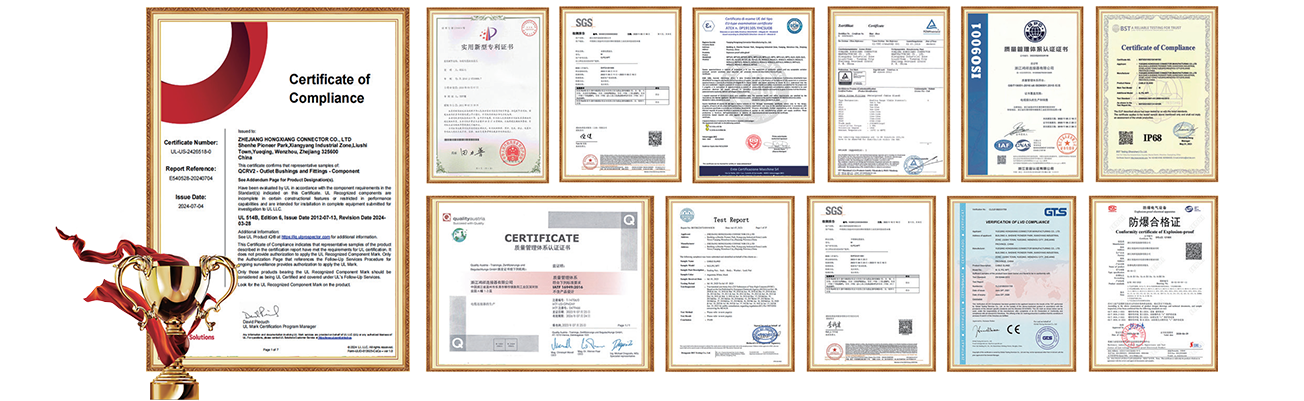
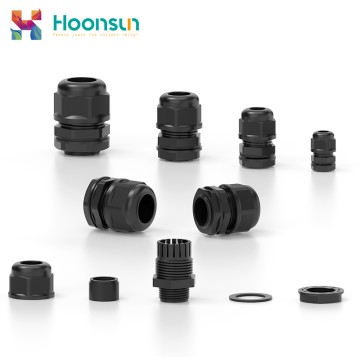
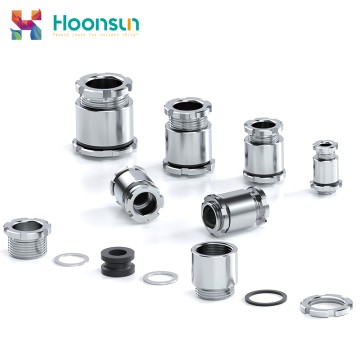
Its core product portfolio includes metal cable glands, nylon cable glands, waterproof cable glands, explosion-proof connectors, conduit fittings, and various customized connecting accessories. These products serve high-end sectors such as industrial electrical equipment, new energy equipment, rail transit, shipbuilding and heavy industry, construction machinery, military supporting facilities, and communication & industrial control. Adhering to stringent manufacturing standards and uncompromising quality requirements, the company has obtained a series of internationally recognized certifications, including ISO9001, IATF16949 automotive quality management system, CE, UL, ATEX explosion-proof certification, RoHS, and IP68 high-protection rating. Its core technologies and product performance have reached international advanced levels, with nearly 100 invention and utility model patents to its name, continuously driving technological upgrading across the industry.
Our journey of innovation, quality, and global expansion over the years.
Our products comply with international standards, ensuring safety and reliability in critical applications.
The company currently has more than 120 employees, more than 200 production equipment, and is equipped with a professional sales and management team, committed to improving production efficiency and product quality.
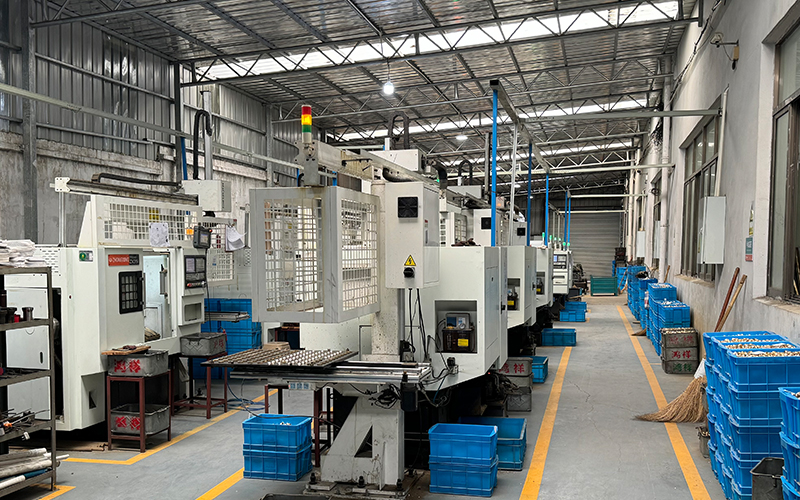
Mechanical equipment
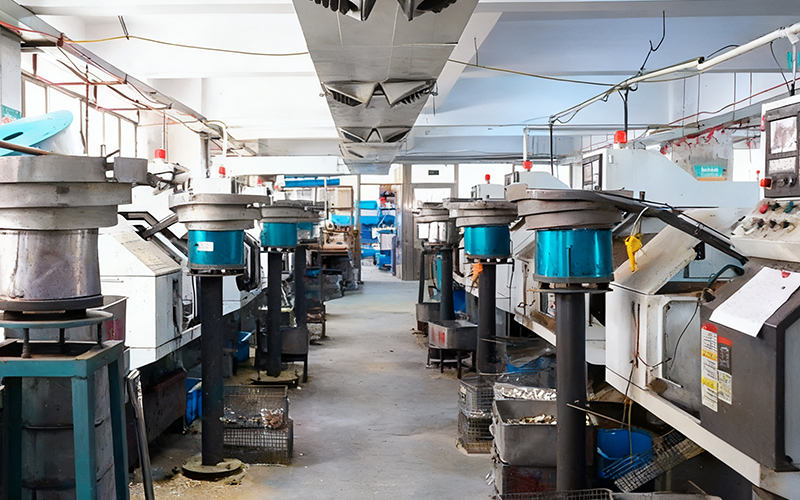
Mechanical equipment
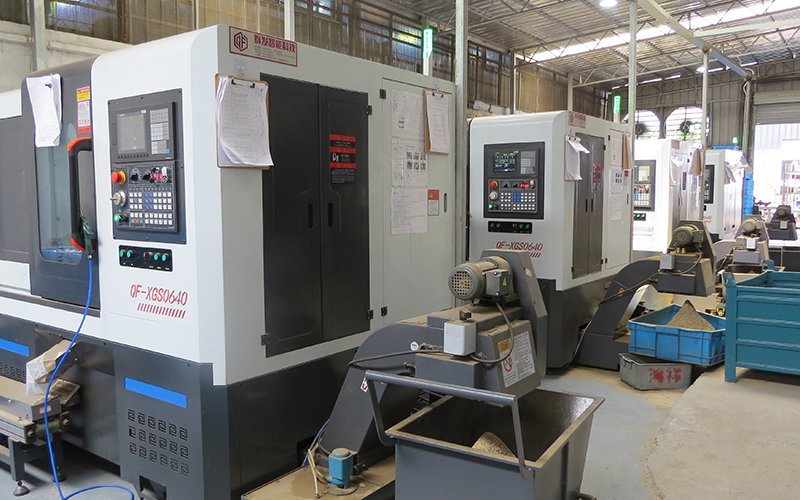
Mechanical equipment
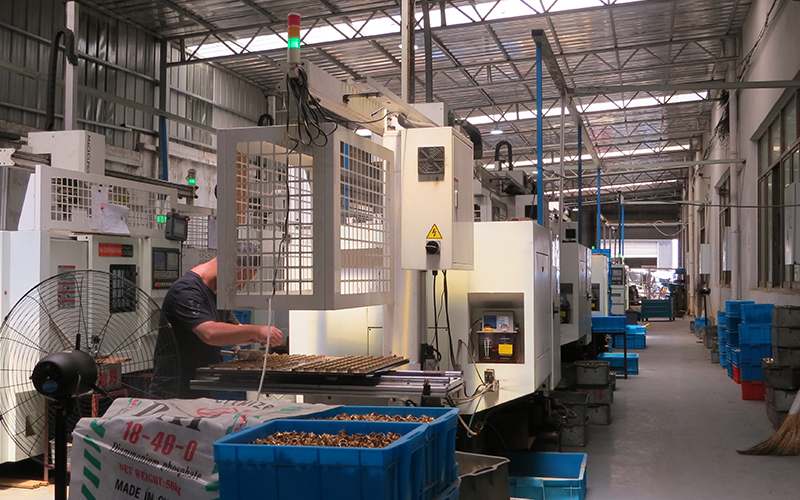
Mechanical equipment
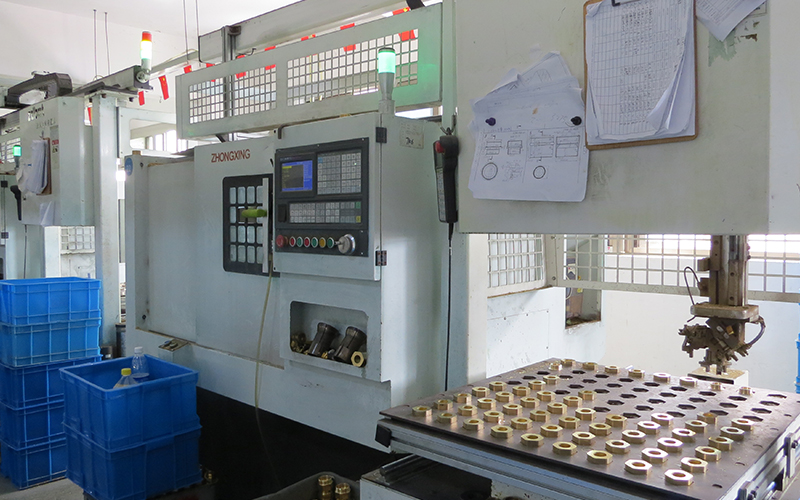
Mechanical equipment
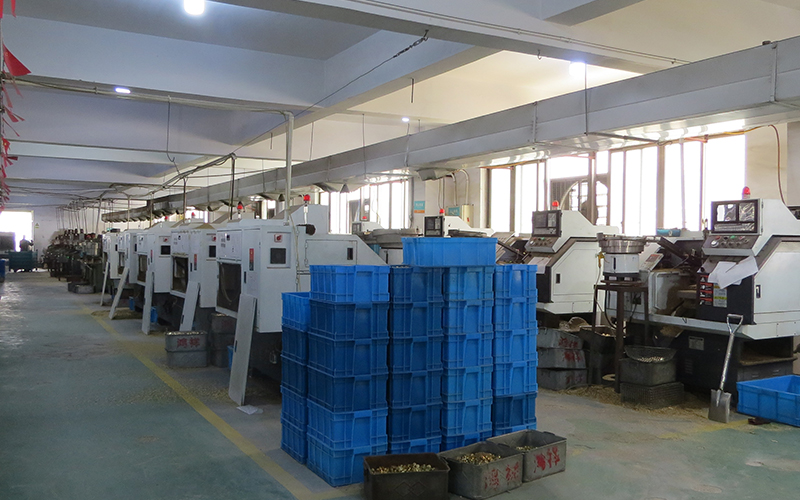
Mechanical equipment
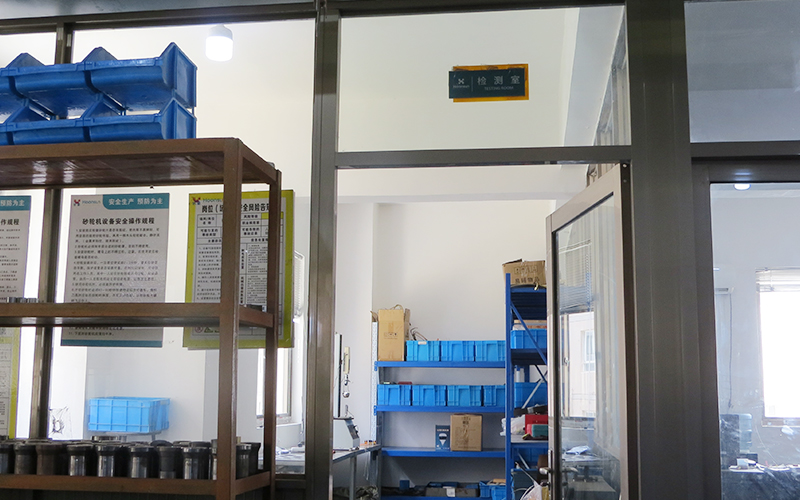
Testing room
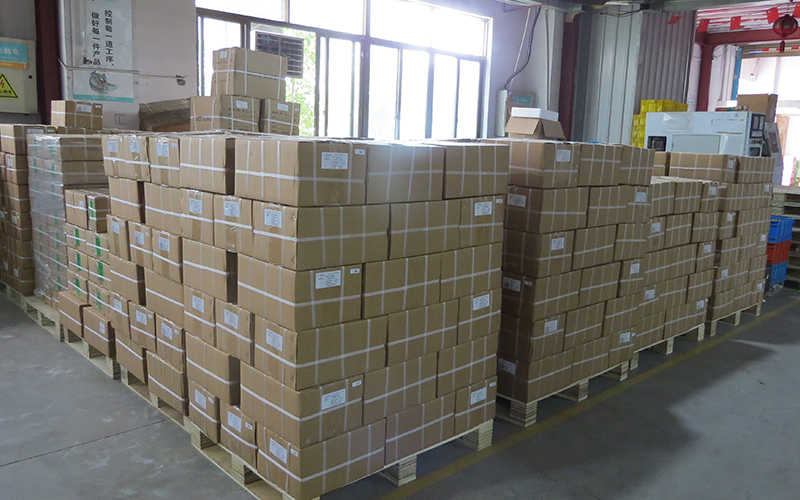
Product stacking
Browse our full catalog of certified metal, nylon, explosion-proof, and anti-bending cable glands designed for demanding industrial environments.