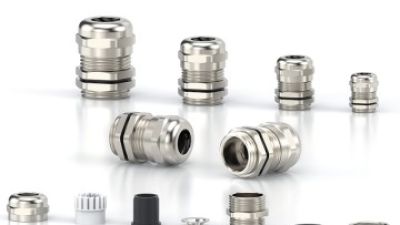
Outdoor equipment constantly faces the elements—rain, dust, sunlight, vibrations, and sudden temperature swings. That's where a Nylon Cable Gland for outdoor setups really comes in handy. It helps protect the point where the cable enters a box or enclosure. Basically, it grips the cable, supports strain relief, and keeps the enclosure looking sealed and secure. The goal isn’t to make it look pretty, but to cut down on gaps around junction boxes, control cabinets, or outdoor lights—that’s where water or dust might sneak in.
Michael Turner, an independent cable-management expert with over 20 years of hands-on experience, reminds us that ‘cable entry protection isn’t just about the gland itself—it’s about the whole assembly.’ It’s easy to overlook this detail. Sure, a Nylon Cable Gland might have sturdy threads and a good sealing ring, but if the installer chooses the wrong cable size, cuts an uneven hole, or overtightens the locknut—well, performance can seriously suffer. It’s the little things that count.
Now, nylon has some pretty nice perks—it’s lightweight, naturally resistant to corrosion, and works well in lots of outdoor situations. But, that doesn’t mean it’s always the best pick everywhere. Sun exposure, extreme heat, chemicals, or constant movement might call for a different material or a more robust design. Making the right choice isn’t just guesswork; it’s about checking the facts.
So, here’s the deal: always verify the thread type, the sealing range, and the enclosure rating. A good spec sheet should clearly state the material, operating temperature, cable capacity, thread standards, and test conditions. Keep in mind, real-world setups are often messier than the neat drawings suggest. Dust settles, cables bend, water finds its weaknesses—those unexpected little issues. That’s why choosing the right Nylon Cable Gland for outdoor gear should be a combination of lab data and real installation experience. Picking wisely today means fewer surprises tomorrow, and keeps your equipment protected in the long run.
Definition and Purpose of a Nylon Cable Gland
A Nylon Cable Gland is a fitting that secures and seals a cable where it enters outdoor equipment. Its main purpose is practical: protect the enclosure from water, dust, movement, and cable strain. The gland tightens around the cable jacket, while an internal sealing ring helps maintain the enclosure’s protective barrier. This matters on control boxes, lighting housings, sensors, and small outdoor power units.
Nylon offers low weight, electrical insulation, and good resistance to corrosion. A 16mm Nylon Cable Gland can suit a cable near its specified diameter range, but size must never be guessed. A loose gland may allow moisture inside. An oversized cable can damage the seal during tightening. In field installations, I have found that clean cable jackets seal more reliably than scratched or oily ones. Still, nylon is not perfect. Strong sunlight, repeated vibration, and extreme temperatures can reduce service life. The equipment’s required protection rating must also match the gland and enclosure.
Tips: Check the cable diameter first. Keep the sealing ring clean. Tighten firmly, not excessively. Leave a gentle cable loop outside the entry point to reduce pulling force. Inspect the seal after installation. Small mistakes remain easy to miss.
Key Components and How They Work
What Is a Nylon Cable Gland for Outdoor Equipment?
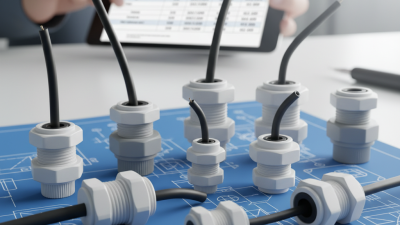
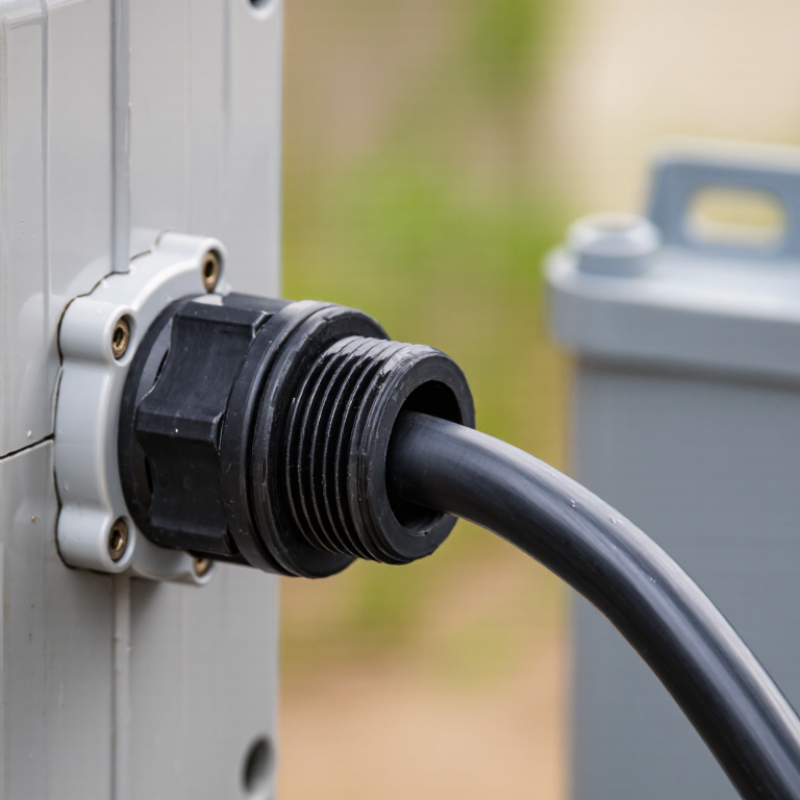
A Nylon Cable Gland is a small sealing device fitted where a cable enters outdoor equipment. It protects the enclosure from water, dust, movement, and cable damage. Its main parts are the gland body, locknut, sealing ring, clamping insert, and threaded entry. Each part has a practical job.
The body holds the assembly in place. The locknut secures it against the enclosure wall. When the cap is tightened, the sealing ring compresses around the cable jacket. The clamping insert adds strain relief, so pulling the cable does not transfer force to internal terminals. A correct fit depends on the cable’s outside diameter and the enclosure’s thread size. Too loose, and moisture may enter. Too tight, and the cable jacket can deform.
A nylon gland can resist corrosion and remains lightweight, but outdoor performance still depends on material quality, sunlight exposure, temperature, and installation. In field inspections, I have seen a good gland fail because the cable was sharply bent beside it. That detail is easy to miss. The sealing surface must also be clean and undamaged. A claimed protection rating should match the complete assembly, not only the gland.
Tips: Measure the cable diameter before ordering. Tighten the cap firmly, not aggressively. Leave a gentle cable loop near the entry. Recheck the seal after temperature changes or maintenance. A weather-resistant part is not a substitute for careful installation.
What Is a Nylon Cable Gland for Outdoor Equipment? - Key Components and How They Work
| Component or Data Dimension | Typical Construction or Range | How It Works | Outdoor Equipment Relevance |
| Cable gland body | UV-stabilized polyamide 6 or polyamide 66; commonly black for outdoor use | Provides the threaded housing that is installed through an enclosure wall and holds the sealing parts in position. | Non-metallic construction helps resist corrosion, while UV-stabilized grades are better suited to sunlight exposure. |
| Compression nut | Molded nylon; tightened manually or with a suitable wrench | Advances along the gland thread and compresses the sealing insert around the cable. | Maintains the seal during vibration and helps prevent water, dust, and dirt from entering the enclosure. |
| Sealing insert | Elastomer such as EPDM, neoprene, or nitrile rubber; cable ranges vary by gland size | Radially compresses around the cable jacket as the nut is tightened, closing the clearance between cable and gland. | The sealing material should be selected for resistance to water, temperature, oils, chemicals, and weathering. |
| Locknut | Nylon locknut matched to the gland thread; common metric thread sizes include M12 to M63 | Secures the gland to the enclosure wall from the inside or outside, depending on the installation design. | Helps prevent loosening caused by vibration and provides a stable mounting point for the cable entry. |
| Thread type | Metric threads are commonly specified in millimeters; other thread standards may also be available | The thread mates with the enclosure opening or locknut and establishes the mechanical connection. | The gland thread must match the enclosure opening to avoid cross-threading, gaps, or reduced sealing performance. |
| Cable diameter range | Selected by gland size; small glands may accept cables around 3–6 mm, while larger sizes can accept cables above 30 mm | The cable outer diameter must fall within the sealing insert's specified clamping range. | Correct sizing is essential; an undersized or oversized cable can reduce water and dust protection. |
| Ingress protection | Many properly installed outdoor cable glands are designed for IP66, IP67, or higher ratings, depending on the product and enclosure system | The compressed seal blocks dust and limits water penetration under the test conditions defined by IEC 60529. | The final IP rating depends on the gland, cable diameter, enclosure, installation method, and condition of all seals. |
| Operating temperature | Common nylon gland specifications are approximately −40°C to +100°C; the exact range depends on the polymer and seal | The body and elastomer must retain mechanical strength and elasticity throughout the expected temperature cycle. | Outdoor installations may experience freezing conditions, high enclosure temperatures, and rapid temperature changes. |
| Strain relief | Integrated clamping section formed by the gland body and sealing insert | Transfers pulling and bending forces from the cable jacket to the gland instead of the electrical terminals. | Reduces the risk of conductor damage when cables are moved, pulled, or exposed to wind-induced vibration. |
| Flammability performance | Some nylon compounds are available with UL 94 V-2, V-1, or V-0 classifications; the exact rating must be verified for the selected part | Flame-retardant additives can reduce flame spread when the material is exposed to an ignition source. | Useful for electrical enclosures where enclosure material and cable-entry components must meet a specified fire-safety requirement. |
| Installation sequence | Measure the cable, select the gland, insert the gland through the enclosure, route the cable, and tighten the nut | Correct tightening compresses the seal without crushing the cable jacket or damaging the threads. | A clean cable surface, correct hole size, and manufacturer-specified tightening method are necessary for reliable weather protection. |
| Primary applications | Outdoor control boxes, lighting equipment, sensors, junction boxes, photovoltaic equipment, and small automation enclosures | Creates a protected cable entry while combining sealing, retention, and mechanical support in one assembly. | Suitable where corrosion resistance, low weight, electrical insulation, and weather protection are important. |
Selection note: Actual cable diameter limits, IP rating, temperature range, thread dimensions, tightening torque, and material performance must be confirmed from the specification of the selected nylon cable gland and the enclosure.
Types of Nylon Cable Glands for Outdoor Equipment
Outdoor equipment needs cable glands that resist rain, dust, sunlight, and repeated cable movement. The main types are standard nylon glands, waterproof nylon glands, strain-relief glands, and multi-hole versions. Standard models suit sheltered control boxes. Waterproof models usually use a compression seal and are selected for IP65, IP66, or IP68 protection under IEC 60529 testing. A Nylon Reinforced Cable Gland adds structural support around the entry point, which helps when thick cables experience vibration or pulling.
Material choice matters outdoors. UV-stabilized polyamide is better than ordinary nylon under direct sunlight. Metric and NPT threads also require careful matching. A mismatched thread may look secure but still allow moisture inside. The 2024 MarketsandMarkets cable glands report estimated the global market would grow at roughly 6% annually through 2029, reflecting wider demand for protected wiring in industrial and outdoor systems. That growth does not make every gland suitable. Temperature, cable diameter, wall thickness, and installation angle still control performance.
In practical inspections, loose sealing nuts are a frequent weakness. Small gaps can collect water after a cold night. Multi-hole glands save space, but their seals may fit fewer cable sizes well. I would also question very low-cost nylon in exposed locations. It may pass an initial installation check, yet become brittle after prolonged ultraviolet exposure. Selection should follow the equipment’s actual environment, not only its advertised IP rating.
Material Properties and Weather Resistance
A nylon cable gland seals the point where a cable enters outdoor equipment. It protects the enclosure from dust, rain, and accidental cable pull. Most outdoor models use reinforced polyamide, often called PA66. This material is lightweight, tough, and resistant to oils, mild chemicals, and repeated handling. It also keeps electrical insulation away from sharp enclosure edges.
Weather resistance depends on more than the plastic. UV-stabilized nylon performs better under direct sunlight, especially on rooftop cameras or exposed control boxes. However, nylon can absorb moisture. This may cause slight dimensional changes during long wet periods. The sealing ring must remain flexible across hot afternoons and cold nights. A correct IP rating depends on the complete installation, not the gland alone. Thread size, cable diameter, torque, and enclosure thickness all matter. Small errors matter.
Tips: Check the cable diameter before installation. Tighten the cap firmly, but do not crush the seal. Leave no sharp burrs around the entry hole. In coastal areas, inspect for salt deposits each season. A practical installer should also examine UV damage after one summer. Nylon is reliable, but it is not perfect. A Global Leading Nylon Cable Gland Factory may offer tested material data, yet field conditions still require careful selection and inspection.
Choosing the Correct Size and Protection Rating
What Is a Nylon Cable Gland for Outdoor Equipment?
A nylon cable gland seals the point where a cable enters outdoor equipment. For outdoor use, correct sizing matters more than appearance. Measure the cable’s outer diameter, including insulation and sheathing. Then choose a gland with a clamping range that securely covers that measurement. A loose fit allows moisture and dust inside. Excessive compression can damage the cable jacket. Small details matter.
Protection rating needs equal attention. An IP66 gland can resist powerful water jets when installed correctly. IP68 may offer protection during temporary or continuous immersion, depending on specified conditions. The rating applies to the complete connection, not only the gland. Check the thread type, mounting thickness, sealing washer, and enclosure opening. For exposed equipment, consider ultraviolet resistance and temperature changes. Nylon can perform well, but prolonged sunlight may weaken unsuitable materials. Sunlight can be harsh.
During field inspections, I have found that installers sometimes select a higher IP rating without checking cable size. That approach sounds safe, but it can create poor sealing. A Global Leading Nylon Cable Gland Supplier should provide dimensional drawings, material data, and test conditions. Still, paperwork cannot replace a careful installation. Tighten the gland evenly, avoid sharp cable bends, and inspect the seal after fitting. I would also recheck the connection after heavy rain or seasonal temperature changes. That extra check is easy to overlook.
What Is a Nylon Cable Gland for Outdoor Equipment?
Choosing the correct metric thread size and cable diameter range helps maintain mechanical retention and environmental sealing in outdoor equipment.
The chart shows representative cable diameter ranges commonly used with metric nylon cable glands. Actual ranges vary by gland design. For outdoor applications, select a gland with a suitable IP rating, such as IP66 or IP68, and verify that the cable diameter falls within the specified sealing range.
Installation Steps for Outdoor Applications
A nylon cable gland seals the point where a cable enters outdoor equipment. It helps block dust, rain, and moisture while reducing cable movement. For outdoor use, select UV-stabilized nylon with a suitable IP rating. Match the gland to the cable’s actual outer diameter, not its nominal size. Measure carefully. Do not guess.
Before installation, isolate the equipment and inspect the enclosure wall. Drill the correct hole without cracking the surface, then remove every sharp burr. A damaged edge can cut the seal or cable jacket. Slide the locknut, body, sealing ring, and washer into their correct positions. On thin metal panels, use the supplied sealing washer on the outside.
Push the cable through the gland without forcing it. Keep enough slack for maintenance, but avoid a large loop that collects water. Tighten the sealing cap by hand, then use a suitable tool according to the installation specification. Excessive force may deform the seal; insufficient force may allow water entry. The cable should remain secure when pulled gently. Keep it clean. After installation, inspect the seal around the cable and check that the enclosure door closes evenly. A practical test includes spraying water from the expected direction, without exceeding the equipment’s rated conditions. Dryness inside matters more than a tidy appearance. Temperature, sunlight, vibration, and cable expansion can change the seal over time, so periodic inspection remains necessary.
IP68 Waterproof Metal Shielded Cable Joints: UL-Listed EMC/EMI Protection from China Suppliers
Professional-grade metal shielded cable joints are engineered for industrial systems where water ingress, mechanical stress, and electromagnetic interference can compromise equipment reliability. Their IP68 sealing performance supports protection against dust and prolonged water exposure under defined test conditions, while the metal construction creates a continuous shield around cable entry points. This helps reduce conducted and radiated noise, limiting EMC, EMI, and RFI risks in automation, renewable energy, transportation, telecommunications, and outdoor control installations.
The need for dependable protection is expanding alongside industrial connectivity. Grand View Research estimates that the global industrial automation market was valued at approximately USD 233.8 billion in 2023 and is projected to grow at a compound annual growth rate of about 9.3% from 2024 to 2030. As more sensors, drives, controllers, and communication modules operate in shared environments, properly shielded cable interfaces become increasingly important for stable signal transmission and reduced downtime. UL-listed construction, combined with compliance-oriented design for international applications, supports consistent installation practices across global markets.
Manufactured in China for professional applications, these metal cable joints are available for demanding environments requiring robust strain relief, reliable grounding continuity, and long-term sealing performance. They are suitable for shielded power, control, instrumentation, and data cables, helping engineers build cleaner, safer, and more resilient electrical systems.
FAQS
It seals the point where a cable enters outdoor equipment. It helps block dust, rain, and moisture. It also reduces cable movement and accidental pulling.
UV-stabilized reinforced polyamide is usually suitable. It handles sunlight, oils, mild chemicals, and repeated handling. Direct rooftop exposure still requires regular inspection.
Measure the cable’s actual outer diameter. Do not rely only on its nominal size. A small mismatch can weaken the seal.
Isolate the equipment and inspect the enclosure wall. Drill the correct hole carefully. Remove every sharp burr afterward. Burrs can cut the cable jacket.
Tighten it by hand, then use a suitable tool as specified. Do not crush the sealing ring. Too little force may allow water entry.
Push it through without forcing it. Leave enough slack for maintenance. Avoid large loops that collect rainwater. Keep the cable and sealing area clean.
Inspect the seal around the cable and confirm that the enclosure door closes evenly. A controlled water spray can imitate expected rain. Do not exceed the equipment’s rated conditions.
Inspect it periodically, especially after one summer and before wet seasons. Look for UV damage, salt deposits, looseness, or cable movement. Conditions vary, so a fixed schedule may not be perfect.
Not always. Nylon can absorb moisture and change dimensions slightly. The sealing ring must stay flexible through hot afternoons and cold nights. Small changes matter.
Conclusion
A Nylon Cable Gland For Outdoor Equipment is a protective fitting used to secure cables as they pass through electrical enclosures, junction boxes, and control panels. It helps prevent cable movement while creating a seal against moisture, dust, and other environmental factors. Its main components typically include a threaded body, sealing ring, clamping nut, and locking element. When tightened, these parts grip the cable and compress the seal around it, improving mechanical stability and enclosure protection.
Nylon cable glands are available in straight, angled, single-cable, and multi-cable designs to suit different outdoor installations. Nylon offers lightweight construction, electrical insulation, corrosion resistance, and reliable performance under changing weather conditions. Selecting the correct gland requires matching the cable diameter, thread type, and required IP protection rating. For installation, guide the cable through the gland, position the sealing ring correctly, secure the body to the enclosure, and tighten the nut evenly without damaging the cable or seal.