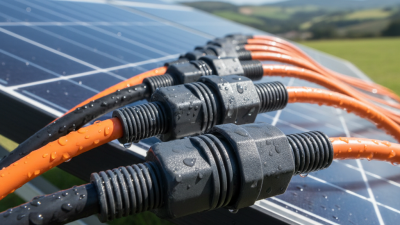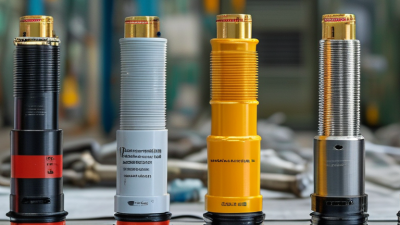
Picking out a Nylon Cable Gland for low-voltage electrical gear isn’t just about matching the right thread size. It’s more of a practical choice—considering how well it seals, relieves strain, insulates, and holds up over time. In stuff like control cabinets, that small component faces a lot: vibrations, dust, humidity, and cables that move around all the time. If the fit isn’t just right, you might end up with a tiny gap around the cable jacket—and trust me, that little space can make a big difference.
Elena Ward, a Senior Applications Engineer over at NexCore Electrical Systems, puts it nicely: “A cable gland might be small, but it’s a pretty big deal when it comes to protecting the enclosure.” She’s speaking from real-world experience. The right nylon gland should match your cable diameter, fit snugly into the enclosure entry, meet IP (Ingress Protection) standards, and work well in the environment you’re installing it in. Polyamide—that’s the fancy name for nylon—does a good job insulating electrically and resisting corrosion. And, bonus, it keeps the weight down. But here’s the thing—nylon isn’t a one-size-fits-all solution, especially when it comes to extreme temperatures or certain chemicals. It’s easy to assume it’s suitable everywhere, but that’s not quite the full story.
This guide’s here to help you pick, install, and check your Nylon Cable Gland for low-voltage setups. We’ll cover thread types, sealing ranges, locknuts, washers, and how well it relieves strain. Also, before you order, you can use ourElectrical Cable Gland Size Chart to compare your cable measurements—just remember to measure carefully! Different manufacturers can have slightly different jacket sizes, even if their labels look similar. An oversized gland won’t fit tight enough, and an undersized one might damage the cable during installation. Real-world installations are rarely perfect—dust, tricky angles, tight spaces—they all come into play. So, choosing the right gland means leaving some wiggle room for those little reality checks, not just relying on what the product specs say.
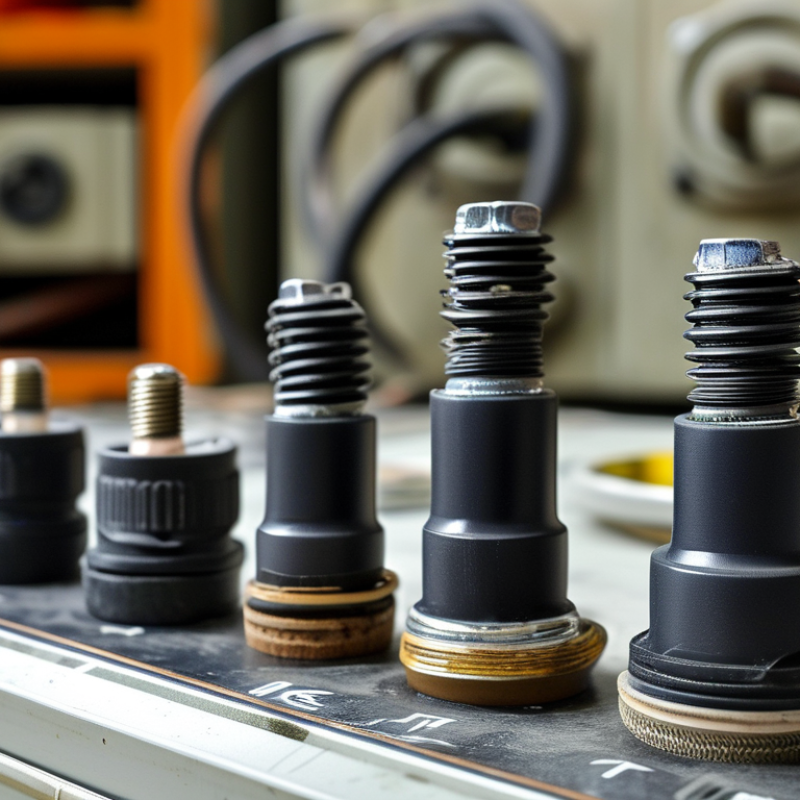
A Nylon Cable Gland is a polymer fitting that secures a cable where it enters low-voltage equipment. It grips the outer sheath and reduces pulling, twisting, and bending stress. It also helps seal the enclosure against dust and moisture. Low-voltage systems commonly operate below 1,000 volts AC, but the gland must match the enclosure and cable design. This is the practical definition.
Its role is more than cable retention. A correctly selected gland supports strain relief, insulation protection, and enclosure integrity. IEC 62444 describes cable gland performance and testing requirements. In field inspections, loose locknuts and compressed seals often cause avoidable ingress problems. Small details matter. Nylon also offers electrical insulation and corrosion resistance, although temperature and chemical limits vary by material grade. The wrong polymer can age quickly near heat sources.
Grand View Research’s 2024 cable glands Market Size report identifies industrial equipment and power applications as major demand areas. The report projects continued market growth through 2030, reflecting expanding electrical infrastructure. That growth does not remove the need for careful sizing. TheElectrical Cable Gland Size Chart Pdf may show thread and cable ranges, but charts are not universal. I still verify thread type, cable diameter, sealing range, IP requirement, and installation torque. A visually neat fit can remain mechanically weak. That is worth questioning before energizing the equipment.
A Nylon Cable Gland secures and seals cables entering low-voltage equipment. Under IEC terminology, low-voltage systems generally reach 1,000 V AC or 1,500 V DC. This boundary matters in control panels, battery cabinets, solar inverters, and industrial distribution boxes. It is not, however, the gland’s personal voltage rating. The complete assembly must satisfy insulation, clearance, temperature, and enclosure requirements.
IEC 60364-1 defines these voltage limits for electrical installations, while IEC 60529 evaluates enclosure protection through IP ratings. A practical example is an IP66 nylon gland installed on a dusty outdoor control cabinet. Its sealing ring must match the cable diameter closely. A loose fit can allow moisture inside, even when the gland looks firmly tightened. Small details matter.
The IEA’s Electricity 2024 report recorded global electricity demand growth of about 2.2% in 2023 and expects stronger annual growth through 2026. More connected equipment means more cable entries to protect. During inspections, installers often focus on conductor voltage and overlook mechanical strain. That is an understandable mistake, but not a harmless one. Nylon performs well in many indoor and moderate outdoor applications, yet ultraviolet exposure, chemicals, and heat can reduce service life. Check the manufacturer’s tested temperature range, IP evidence, thread type, and cable diameter before installation. Do not treat the 1,000 V AC or 1,500 V DC limit as a universal permission. Actual compliance depends on the whole system design.
Under commonly used IEC voltage limits, low-voltage equipment is generally classified up to 1,000 V AC or 1,500 V DC. A nylon cable gland provides cable entry, strain relief, and environmental sealing, but its suitability must be verified against the equipment enclosure, cable diameter, temperature, ingress protection, and installation requirements.
A nylon cable gland for low voltage equipment secures the cable and seals the entry point. Its body is commonly molded from PA66, a strong engineering nylon used in control boxes, lighting systems, and small motors. The material resists impact, vibration, and everyday handling better than ordinary plastic.
PA66 also provides useful electrical insulation around the cable. That matters when several conductors pass through a compact enclosure. In a workshop check, I look for a clean thread, an undamaged sealing ring, and even compression around the cable jacket. A 16mm Nylon Cable Gland can be practical for smaller cables, but the cable diameter must match its clamping range.
Typical nylon gland temperatures are about -40°C to 100°C, depending on the formulation and installation conditions. Some designs tolerate short exposure near 120°C. Heat from terminals can travel into the gland, so the surrounding air temperature is not the only concern. Cold conditions may make nylon less flexible.
Do not treat PA66 as indestructible. Prolonged sunlight, chemical contact, or repeated over-tightening can reduce service life. I have seen installers focus on thread size and overlook cable-jacket compatibility. That small mistake can weaken the seal. Check the technical sheet, enclosure material, and actual temperature cycle before selection.
A nylon cable gland connects a cable to low voltage equipment while protecting the entry point. Its construction looks simple, but each part performs a separate job. The body passes through the enclosure wall and guides the cable along a stable path. Its threaded section works with the locknut, which clamps the gland against the panel. Inside, the seal grips the cable jacket as the cap or compression area tightens. This pressure helps limit dust and moisture entry. It also helps keep the cable centered.
The strain-relief components handle movement that electrical terminals should never absorb. They reduce pulling, twisting, and bending at the connection. A cable may look secure when its conductors are properly connected. The gland can still fail if the jacket slips under tension. In practical installation work, match the seal range to the cable’s actual outer diameter. Do not rely on a nominal cable size alone. Check the panel thickness, entry-hole diameter, thread engagement, and tightening torque. Over-tightening may deform the seal or damage nylon threads.
Nylon is lightweight and resistant to corrosion, yet it is not suitable for every enclosure environment. Temperature, ultraviolet exposure, chemicals, and repeated movement deserve attention. A neat installation can still be wrong. Inspect the gland after installation, especially where vibration is present. Look for gaps, cracked seals, loose locknuts, or sharp cable bends at the entry. These small findings may reveal a larger design mistake. Check the applicable specifications and local installation requirements before energizing the equipment.
A nylon cable gland secures and seals a cable where it enters low voltage equipment. Its sealing ring helps prevent dust, moisture, and cable movement. In practical installations, the gland must match the cable diameter closely. A loose fit can create a hidden leakage path. Small details matter.
Ingress Protection ratings come from IEC 60529. The first digit indicates protection against solid objects and dust. A rating of 6 means dust-tight protection. The second digit describes water resistance. IP68 therefore means dust-tight and suitable for continuous immersion under specified conditions. However, IEC 60529 does not define one universal depth or duration for IP68. The equipment manufacturer must state those conditions clearly.
IP68 is not automatic after tightening a gland. The enclosure, washer, cable jacket, threads, and installation method work as one sealing system. I have seen excellent glands fail because installers cut damaged cables or overtightened the locknut. Do not ignore that. Nylon can also behave differently under heat, vibration, and chemical exposure. Check the actual environment before selecting the gland. Salt spray, outdoor condensation, and repeated cable movement deserve separate attention. A laboratory rating may not reflect careless field assembly. That gap needs honest review.
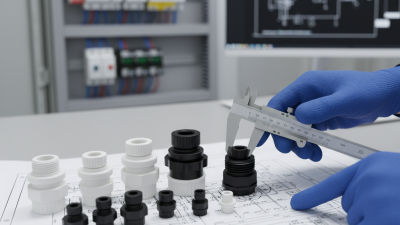
A nylon cable gland for low voltage equipment secures the cable and helps maintain enclosure protection. In field installations, the first measurement is the cable’s actual outer diameter, not its nominal size. Measure the jacket with a caliper after removing packaging pressure. A gland that grips too loosely may admit dust or moisture. An overly tight seal can deform the cable jacket.
Thread type also matters. Match the gland thread with the enclosure opening, such as metric or another specified standard. Check thread pitch, length, and available internal space before ordering. A Nylon Reinforced Cable Gland may suit control panels, sensors, and light industrial equipment, but its material limits should be checked carefully. Nylon can perform well in ordinary indoor conditions, yet heat, ultraviolet exposure, chemicals, and vibration may reduce service life.
Load assessment should include cable weight, pulling force, and repeated movement. A heavy suspended cable needs strain relief beyond simple sealing. For flexible cables, choose a gland designed for movement rather than treating every installation as fixed. Operating conditions can change the choice. Consider temperature range, water exposure, dust, oil, and installation altitude. I have seen good-looking assemblies fail because the installer ignored temperature expansion. That mistake is easy to repeat. Always verify the gland’s protection rating, tightening method, and tested cable range against the equipment requirements.
A nylon cable gland for low voltage equipment creates a controlled entry point for a cable. It helps protect the enclosure from dust, moisture, pulling forces, and cable movement. Nylon also resists corrosion and remains electrically non-conductive. However, it does not provide bonding or protective earthing.
IEC 62444 focuses on cable gland construction, performance, and safe installation. Select a gland that matches the cable’s outer diameter and the enclosure thread. The sealing ring should close evenly around the jacket, not crush it. Check the manufacturer’s tightening guidance. Excessive force can damage the seal or enclosure wall. Too little force may reduce the intended ingress protection.
Before energizing the equipment, inspect the entry closely. The cable should enter without a sharp bend. The gland should sit squarely against the enclosure surface. Confirm that the enclosure, cable, and gland are suitable for the expected temperature and environment. Where vibration exists, verify strain relief and resistance to loosening.
A common mistake is choosing a gland by thread size alone. That is not enough. The cable range, sealing method, enclosure thickness, and required protection level must also agree. IEC 62444 compliance should be supported by relevant test documentation, not only a printed claim. National rules or project specifications may add requirements, so the installation should be reviewed by a qualified person. Even careful work can miss a detail. A final visual and torque check remains worthwhile.
: It secures a cable and seals its entry into low-voltage equipment. It reduces dust, moisture, pulling forces, and cable movement.
PA66 offers good impact resistance, vibration resistance, and electrical insulation. It performs better than ordinary plastic during everyday handling.
Typical service temperatures range from about -40°C to 100°C. Some designs tolerate short exposure near 120°C. Check the technical sheet.
No. Heat can travel from terminals into the gland body. Terminal temperature may exceed the nearby air temperature.
Match the gland’s clamping range with the cable’s actual outer diameter. Also check the enclosure thread and wall thickness. Thread size alone is insufficient.
Check the thread, sealing ring, cable jacket, and enclosure surface. The sealing ring should compress evenly around the cable. Look closely.
Follow the specified tightening guidance for the gland. Over-tightening can damage the seal or enclosure wall. Under-tightening may reduce moisture protection.
No. Nylon is electrically non-conductive and does not provide bonding or protective earthing. Use a suitable installation method when earthing is required.
Prolonged sunlight, chemical contact, vibration, and repeated over-tightening can reduce durability. Cold conditions may also make nylon less flexible. I might overlook this.
Ensure the gland sits squarely and the cable has no sharp bend. Check strain relief, loosening resistance, temperature suitability, and sealing. A final visual check helps.
A Nylon Cable Gland For Low-Voltage Electrical Equipment is a protective cable-entry device designed to secure cables, provide strain relief, and help prevent the entry of dust and moisture. It is commonly used in systems rated up to 1,000 V AC or 1,500 V DC under IEC low-voltage standards. Typically made from PA66 nylon, the gland offers good mechanical strength, electrical insulation, corrosion resistance, and reliable performance across suitable temperature ranges. Its main parts include the gland body, locknut, sealing element, and strain-relief structure.
Selection should consider the cable’s outside diameter, thread type, expected mechanical load, environmental conditions, and required IP protection level. IEC 60529 defines these ratings, with IP68 providing a high level of protection against dust and water under specified conditions. For safe and compliant installation, the cable gland should be correctly sized, properly tightened, and installed according to IEC 62444 requirements. Proper selection and installation help maintain enclosure protection, cable stability, and long-term equipment reliability.