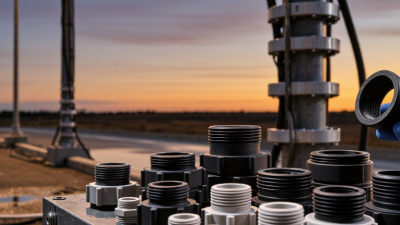
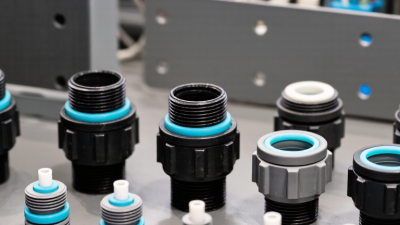
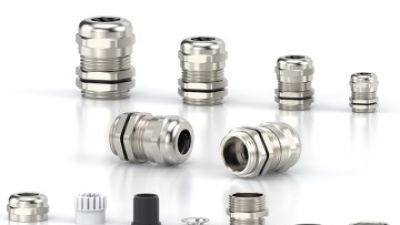
You know, a street-light cable entry has to put up with a lot – rain, dust, vibration, heat, and years of maintenance cycles. The gland might seem like a tiny part, but if the seal isn't done right, moisture or dirt can get in, expose the conductors, and really cut down on how long the whole thing lasts. The U.S. Department of Energy did some research on street lighting and found that LED retrofits can chop energy use by 50% or more compared to old-school systems. But hey, those savings only really count if the whole installation is chosen and put together with care. So, a Nylon Cable Gland supplier for street lights? It's not just about the lowest price, honestly. Buyers really need to see the full picture – material data, thread options, sealing details, and even some guidance on installation. Without that, you're kind of flying blind, right?
Sure, the IEC 62444 standard lays out the requirements and test methods for cable glands—so it’s a handy reference when you’re comparing options. But honestly, it shouldn’t take the place of checking the gland against your actual enclosure, cable diameter, and the outdoor conditions you’ll be dealing with. Lighting researcher John Bullough talks about lighting as a system, and the practical gist (without quoting him exactly) is this: reliable performance depends on the whole installation, not just one part. That’s a subtle point, and yeah, easy to miss. Nylon could be a decent fit for your project, but honestly, you can’t just pick it based on that alone. It depends on the temperature, UV exposure, how the cable fits, and the level of ingress protection your enclosure really needs. So don’t settle for a vague claim—ask to see the actual test documentation. Look, aglobal leader in nylon cable glands should make those details easy to check—and be upfront when a product isn't the right fit.
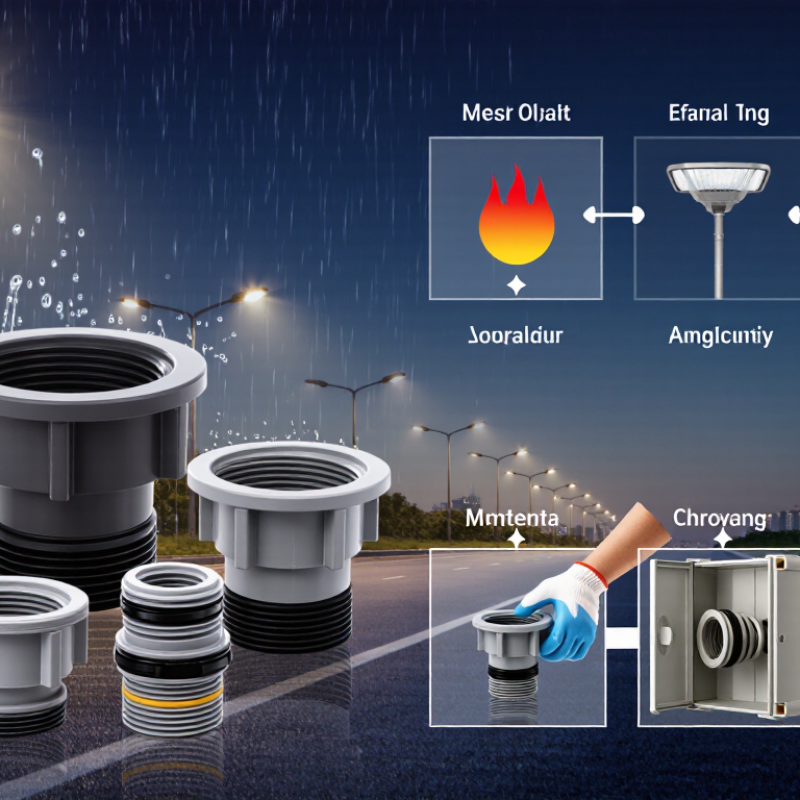
In a street-lighting system, a Nylon Cable Gland secures a cable where it enters a luminaire or junction box. It helps reduce cable pull and limits the path for water and dust. Small parts matter. A gland only performs well when its thread, clamping range, and seal match the cable and enclosure. Incorrect sizing can leave a gap, even when the fitting feels tight.
Tips: Measure the cable’s outer diameter and check the enclosure thread before ordering. Follow the fitting instructions, and inspect the seal after installation. Do not assume every nylon grade suits constant sunlight; confirm its outdoor and temperature ratings.
A properly selected gland can also keep cables from rubbing against sharp entry edges during vibration or routine servicing. For street lights exposed to rain, heat, and changing seasons, material details deserve attention. Nylon is lightweight and resistant to corrosion, but its performance depends on grade, installation, and exposure. A buyer searching for a Global Leading 16mm Nylon Cable Gland Supplier should verify dimensions and test data, not rely on the wording alone. Even careful checks can miss a detail, so trial-fitting one assembly may reveal issues before wider installation.
A Nylon Cable Gland secures a cable at the luminaire entry and can help provide sealing and strain relief when correctly selected and installed. The chart shows the water-protection code levels defined by the IP rating system. These are distinct test categories, not a linear measure of water resistance. Choose a gland rating suitable for the installation, and check that the complete cable-entry assembly—including the cable and seals—maintains the required protection.
Street-light cable entries face wind-driven rain, dust, vibration, and repeated heating and cooling. A Nylon Cable Gland grips the cable jacket and seals the opening, helping keep moisture away from conductors and terminals. A snug fit matters. Too loose, and water may track inside; too tight, and the jacket can deform. IEC 60529 defines IP6X as dust-tight and IPX7 as protection against temporary immersion at one metre for 30 minutes. These are test conditions, not a promise of performance in every street-side installation. The complete assembly, including the enclosure, cable, seal, and installation, determines the result.
For outdoor use, select a UV-stabilized nylon grade and check its temperature range, thread fit, and cable-diameter range against the luminaire design. IEC 62444 provides requirements and test methods for cable glands, including mechanical performance. A gland should also resist loosening from vibration while allowing sound strain relief. Small details matter: a damaged seal or unevenly tightened locknut can undermine an otherwise suitable enclosure. When assessing aGlobal Leading Nylon Reinforced Cable Gland Supplier, request test documentation for the exact gland configuration. Ratings can be misunderstood, and field conditions are rarely as controlled as a laboratory.
Street-light cable glands face rain, dust, sunlight, temperature changes, and vibration. A nylon gland should maintain a seal around the cable while holding it securely in place. The correct choice depends on the cable’s outside diameter, the enclosure entry size, and the installation environment. A mismatch can leave gaps or compress the cable jacket too much.
Check the gland’s material and stated operating temperature, especially where fittings receive direct sun or sit near warm electrical components. UV-resistant nylon may be appropriate outdoors, but performance varies by grade and product design. The enclosure’s ingress rating also depends on correct installation, including the sealing washer, thread engagement, and cable range. Ratings are not automatic.
Small details matter.
A dependable supplier should provide clear specifications, compatible thread options, and test information for the complete fitting. Ask how the gland performs with the cable type and enclosure you plan to use, rather than relying on a general outdoor claim. For projects with repeated vibration or maintenance, check that the clamping nut can be tightened consistently without damaging the cable. One assumption deserves a second look: a strong gland cannot compensate for a poorly matched cable or an uneven enclosure surface. Verify the assembled connection under realistic conditions before standardizing it across a lighting project.
Assess a supplier against the conditions inside and around a street-light enclosure. The gland must match the cable’s outer diameter, enclosure entry thread, and expected exposure to rain, dust, heat, and sunlight. Ask for the nylon material specification and stated operating temperature range. That matters. A supplier should explain its sealing design and installation torque, not just promise a tight fit. Request technical drawings, test documentation, and clear guidance on compatible cable sizes. Ask how product batches are identified and how replacement parts can be traced later.
Compare samples against the actual cable and enclosure before approving a larger order. A Global Leading Nylon Glands Supplier should be able to answer detailed questions and provide consistent specifications across repeat orders. Look closely at the seal: it should sit evenly around the cable, without pinching or visible gaps. Check thread engagement by hand before using tools. Where possible, review independent test results for the claimed ingress protection; a gland alone does not establish the rating of the whole luminaire. No questionnaire catches every installation issue. A neat brochure can still leave practical questions unanswered, so ask who will help when a sample does not fit.
When a street-light enclosure faces rain, vibration, and summer heat, the cable gland has a demanding job. A dependable nylon cable gland supplier should deliver consistent molding, clean threads, and seals that compress evenly around the cable. Ask for material information, inspection records, and samples from current production. Check the thread fit by hand. Small defects matter.
Standards need practical verification. Confirm which requirements apply to the project, then request relevant test reports or declarations instead of relying on a sales claim. An ingress-protection rating depends on the tested assembly, cable diameter, and installation method. The paperwork should make those conditions clear. This detail is easy to miss.
Customization can cover thread type, cable range, color, sealing inserts, and accessories such as locknuts or washers. For outdoor use, discuss UV exposure and operating temperatures, and ask what evidence supports the proposed material. A drawing may look complete yet omit the cable’s actual outer diameter; that small mismatch can weaken the seal. Share enclosure dimensions and installation constraints early, then review a sample before approving production. It takes a little longer. It can prevent avoidable fit problems on site.
Street-light cable glands face rain, dust, vibration, and repeated temperature changes. During installation, check the cable’s outside diameter against the gland’s stated clamping range. A mismatch can weaken the seal. Keep the entry surface clean, seat the washer flat, and tighten the cap to the specified torque; overtightening can deform seals or damage threads. The Nylon Cable Gland should also suit the luminaire’s operating temperature and exposure to sunlight. This is easy to miss. The U.S. Department of Energy’s 2016 report, Adoption of LED Street Lighting in the United States, estimated roughly 1.2 million LED streetlights installed by 2015, underscoring the scale of equipment requiring consistent installation practices.
Maintenance checks work best during scheduled pole inspections. Look for cracked housings, loosened caps, hardened seals, cable movement, or water marks inside the fitting. After opening an enclosure, replace a displaced or damaged seal rather than forcing it back into place. Confirm that replacement glands match the cable size and enclosure entry thread. A quick visual check may not reveal moisture trapped behind a seal, so inspect the interior when there are signs of water ingress. I would not assume nylon remains suitable everywhere: strong sun, heat, or chemical exposure can shorten service life, depending on the material grade and installation conditions.
Choosing an IP68 waterproof UL Listed metal shielded cable joint starts with understanding the installation environment. Check the cable diameter, thread size, enclosure opening, and available space before selecting a joint, and confirm that its materials suit expected temperatures, vibration, and exposure to moisture or dust. An IP68 rating indicates protection against dust and immersion under specified test conditions, but installation details matter: use the correct sealing components, tighten the joint as instructed, and ensure the cable jacket is clean and undamaged.
For industrial equipment with sensitive signals or electrical noise, a professional-grade metal shielded joint can help maintain EMC protection and reduce EMI/RFI interference when properly bonded to the cable shield and enclosure. Verify that the product’s UL listing applies to the intended use, and review its technical documentation for ratings, compatible cable types, and installation limits. If the assembly will be used in multiple markets, confirm that its certifications and documentation meet the requirements of each destination. A well-matched joint helps protect cable entry points while supporting reliable connections in demanding environments.
It secures a cable where it enters a light fixture or junction box. It also helps limit cable pull and the entry of water and dust. Small part, important job.
Measure the cable’s outer diameter and check the enclosure’s entry thread. Match the diameter to the gland’s clamping range. A fitting that feels tight can still leave a gap.
Confirm the material’s sunlight and temperature ratings for the installation site. Nylon is lightweight and resists corrosion, but not every grade suits constant sun or heat. I would not assume.
Request current samples, material information, and inspection records. Check that the threads are clean and the seal compresses evenly around the cable. A sample can reveal a poor fit.
Ask for reports or declarations relevant to your project. Check which assembly, cable diameter, and installation method were tested. A rating alone may not tell the whole story.
Options may include thread type, cable range, color, sealing inserts, locknuts, and washers. Share the enclosure dimensions and cable size early. Drawings can miss details.
Keep the entry surface clean, seat the washer flat, and follow the specified tightening torque. Avoid overtightening, which can deform seals or damage threads. Check the cable fit.
Check for cracked housings, loose caps, hardened seals, cable movement, and water marks. Replace damaged or displaced seals. A quick visual check can miss moisture behind a seal. Inspect inside if water ingress is suspected.
Nylon cable glands play an important role in street lighting by securing cables where they enter luminaires, junction boxes, and other enclosures. A well-chosen gland helps reduce strain on cable connections and forms a protective barrier against rain, dust, vibration, and outdoor temperature changes. For street light applications, key performance needs include a suitable cable range, dependable sealing, durable nylon construction, and compatibility with the enclosure and installation environment.
When selecting a Nylon Cable Gland For Street Lights Supplier, consider product consistency, available technical information, quality controls, relevant standards, and options for different thread sizes or project requirements. Clear installation guidance also matters: glands should be correctly sized and tightened to maintain their seal without damaging the cable. Periodic inspection can help identify wear, looseness, or damage and support reliable operation over time.