Inquiry
Form loading...
0%

A metal cable fixing gland is basically a mechanical component used to secure a cable as it enters an enclosure, panel, or machine. It holds onto the cable, helping to prevent stress or strain right at the entry point—and if it matches the cable and enclosure properly, it can also support sealing. But here’s the thing: the small details really matter. Think about the thread type, the cable diameter, the material, and even how tight you tighten it during installation—all of these can impact how well it works. What looks like a perfect fit on your workbench might not be suitable for something that's shaking all the time or a damp environment inside a cabinet.

IEC 62444 is the standard that lays out the requirements and testing methods for cable glands. It gives engineers a solid, recognized reference when they’re choosing and evaluating different products. Market reports, like those from Grand View Research on the cable gland market, show demand trends across different industries and infrastructure projects, but keep in mind—they don't tell you how each individual gland will perform. So, if you're looking for a metal cable fixing gland, you should be checking the specs and making sure there’s relevant test data backing up the product claims. Those little details really do make a difference.

The main point here isn’t just about what the fitting is called. It’s really about how it performs where and how you plan to use it. Saying a product is from a 'Global Leading Metal Cable Gland Manufacturer' might sound impressive, but it doesn’t automatically mean it’s top quality. Also, I didn’t include quotes from specific experts because I haven't seen verified sources—if you’re citing a quote, always double-check it against the original source before using it.

Basically, don’t just go for the shiny name—look at how well it works for your situation.
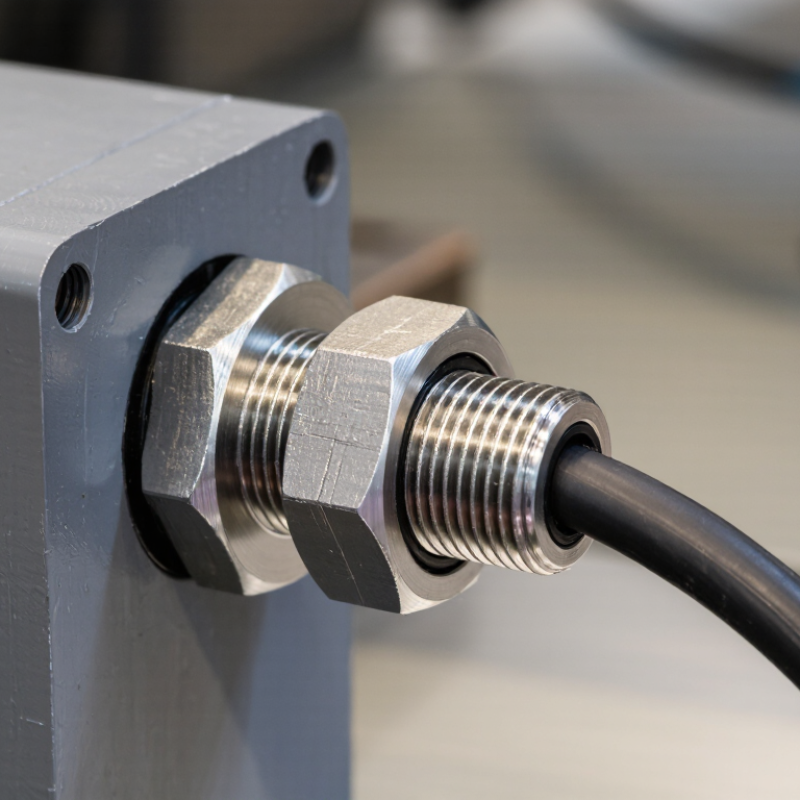
What Is a Metal Cable Fixing Gland?

Core Components of a Metal Cable Fixing Gland

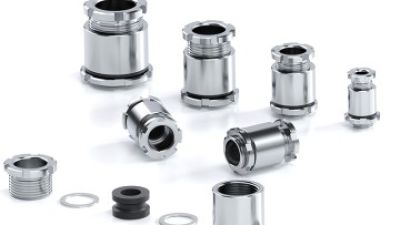
A metal cable fixing gland is more than a threaded shell. Its body guides a cable into an enclosure and supports a secure entry. A typical assembly includes a metal body, entry thread, sealing ring, compression nut, and locknut. The seal compresses around the cable’s outer sheath, while the nut applies clamping force. For armored cable, an additional clamping element can grip the armor and help maintain electrical continuity. Exact components vary with cable construction and gland design. Small details matter.

Reliable fit depends on matching the cable’s outside diameter, enclosure thread, material, and tightening method. A loose seal can admit dust or moisture; excessive tightening may deform the sheath. The International Energy Agency’s 2023 report, Electricity Grids and Secure Energy Transitions, estimates that 80 million kilometres of grids must be added or replaced by 2040. This is infrastructure context, not a cable-gland market forecast, but it highlights the value of dependable cable entries. The phrase “Global Leading 1 2 Npt Metal Cable Gland Manufacturer” is unusually specific. Check the thread designation and cable size, not wording alone. That distinction is worth checking.

How the Gland Secures and Seals a Cable

What Is a Metal Cable Fixing Gland?
How the Gland Secures and Seals a Cable

A metal cable fixing gland grips a cable where it enters an enclosure. Its body threads into the enclosure wall, while a compression nut tightens around the cable. Inside, a sealing ring presses against the cable’s outer sheath. This creates a barrier against dust and moisture when the gland is correctly selected and fitted. The cable’s jacket matters. A gland sized for a different diameter may not seal reliably.

The grip also helps resist pulling and twisting. When the nut is tightened, the cable stays steadier at the entry point, reducing strain on internal connections. Do not treat the gland as a substitute for proper cable support, though. Overtightening can deform the sheath; insufficient tightening can leave the cable loose. It is an easy detail to rush, and worth checking twice. The enclosure opening and thread must also match the gland.

Tips: Check the cable’s actual outside diameter, not just its stated size. Seat the seal evenly, then tighten according to the manufacturer’s instructions. After installation, gently pull the cable and inspect the entry for gaps or movement. If the sheath is nicked or uneven, a dependable seal may be difficult to achieve.

Common Metal Gland Designs and Their Uses

Metal Cable Gland designs vary with cable construction and the conditions around the entry point. A basic compression gland grips the outer sheath with a sealing ring, helping limit movement and moisture entry when correctly sized and installed. It suits many unarmoured cables entering control panels or machinery. The seal must match the cable diameter; a gland that looks secure can still leave a small, troublesome gap.

Armoured cables often use glands with clamping parts that grip the armour and maintain a connection to the enclosure. Single-compression designs suit many indoor installations, while double-compression designs add sealing at both the outer sheath and inner bedding, often useful in harsher settings. EMC glands provide contact around a cable screen to support electrical continuity and reduce interference, but careful preparation matters. A missed screen fold can undermine the connection. Small detail, big consequence.

Material and access also guide the choice. Brass is common for general industrial use, while stainless steel may be preferred where corrosion is a concern. Check the cable type, enclosure opening, sealing requirements, and manufacturer’s fitting instructions before selection. In practice, the most robust design is not always the easiest to inspect or maintain. That trade-off deserves a second look.

Materials, Finishes, and Environmental Resistance

What Is a Metal Cable Fixing Gland?

Materials, Finishes, and Environmental Resistance

A metal cable fixing gland secures a cable where it enters an enclosure. Its body and compression parts must suit both the cable and the surrounding conditions. Common choices include nickel-plated brass, stainless steel, and aluminium. Each behaves differently around moisture, salt, vibration, and chemicals. For Cable Gland Metal fittings, check the exact alloy and finish rather than relying on appearance alone.

Nickel-plated brass is widely used for general industrial settings. The plating adds a protective surface, but scratches or worn threads can expose the brass beneath. Stainless steel can be a better fit in corrosive or washdown areas, although grade matters. Aluminium is lightweight and may suit installations where weight is a concern. The wrong choice is easy to make. A clean-looking fitting does not prove long-term compatibility.

Seals matter just as much as the metal. Elastomer seals vary in their resistance to heat, oils, and cleaning agents, so confirm suitability against the actual exposure. Check the assembled gland’s ingress rating, cable diameter range, and enclosure material; ratings apply to tested combinations, not every installation. Salt spray, temperature swings, and repeated cable movement can change performance over time. In practice, the enclosure may outlast the seal—or the reverse. That detail deserves a second look.

Choosing a Gland for Cable Type and Installation Conditions

What Is a Metal Cable Fixing Gland?

Choosing a Gland for Cable Type and Installation Conditions

A Metal Cable Gland secures a cable where it enters an enclosure. It can also help seal the entry and maintain electrical continuity when the design requires it. Match the gland to the cable’s construction:armoured cable needs a suitable armour-clamping arrangement, while unarmoured cable needs reliable sheath compression. Check the cable’s actual outer diameter, not just its nominal size. Small differences matter.

Then assess the installation. Is the entry exposed to rain, dust, vibration, salt, or washdown? IEC 60529 defines IP6X as protection against dust ingress. Its IPX7 test covers temporary immersion, generally up to one metre for 30 minutes. These ratings describe tested enclosure protection, not a guarantee that any gland will perform identically in every installation. The cable, enclosure entry, thread, and assembly all matter. Keep that in mind.

For a 1 2 Npt Metal Cable Gland, confirm the entry is the matching NPT thread; NPT is tapered and should not be treated as interchangeable with parallel threads. Check the cable range, sealing material, temperature limits, and required bonding path against the manufacturer’s technical documentation. IEC 62444provides requirements and test methods for cable glands. In practice, a correctly sized gland can still fail if it is overtightened or fitted over a dirty, damaged sheath. A careful fit beats guesswork. I would recheck it.

Installation Steps and Routine Inspection of Metal Cable Glands

A metal cable fixing gland secures a cable where it enters an enclosure. It helps resist pull, limit dust or water entry, and, with suitable armored cable, maintain armor continuity. IEC 62444:2010 sets requirements and test methods for cable glands; IEC 60529 defines enclosure protection ratings. For example, IP66 indicates dust-tight protection and resistance to powerful water jets, but only for a tested assembly. A gland’s rating alone does not certify the whole enclosure.

Before installation, isolate the equipment and check that the gland, cable diameter, thread, and enclosure opening match. Deburr the hole; a sharp edge can damage the seal. Feed the cable through, fit the seal and locknut in the specified order, then tighten to the manufacturer’s torque. Do not guess. Too little compression may loosen the entry; too much can deform the seal. During routine inspection, look for cracks, corrosion, cable movement, loose locknuts, or moisture trails. Check armor clamping and bonding where applicable. IEC 62444’s test approach is a useful reminder: retention and sealing both matter. Still, visual checks can miss damage beneath a seal, so inspection intervals should reflect vibration, temperature, and exposure. A clean exterior is not proof of a sound connection.

What Is a Metal Cable Fixing Gland? - Installation Steps and Routine Inspection of Metal Cable Glands
Stage Task Procedure and Key Details Check or Acceptance Point
Overview Understand the component A metal cable gland is a fitting that secures a cable where it enters an enclosure. Depending on its design, it can provide cable retention, environmental sealing, and electrical continuity for cable armour or a metallic screen. Select the gland for the cable construction, enclosure entry, environment, and required protection level. The complete assembly determines the achieved protection.
1. Prepare Isolate and verify De-energize the equipment and follow the site’s isolation and safe-work procedures before installation or maintenance. Confirm the cable and gland are suitable for the application. Verify the correct gland type, entry thread, cable range, accessories, and installation instructions are available.
2. Inspect parts Check the gland and cable Examine the gland body, sealing components, locknut, and any armour-clamping parts. Check the cable sheath for damage and confirm its outside diameter falls within the gland’s specified range. Do not use cracked, corroded, deformed, or incomplete components. Replace damaged cable or sealing parts as appropriate.
3. Prepare entry Check the enclosure opening Confirm that the entry is compatible with the gland thread and that the mounting surface is clean, flat, and free of burrs. Use a suitable sealing washer or other specified accessory where required by the design. The gland should seat correctly without cross-threading. Do not assume a washer is required for every gland or enclosure arrangement.
4. Prepare cable Strip the cable carefully Cut the cable to length and remove only the sheath and layers required by the gland instructions. For armoured cables, expose and position the armour as specified by the gland design. Avoid nicking conductors, damaging insulation, or cutting armour strands. The cable should remain round and undamaged at the sealing area.
5. Fit gland Assemble and secure Pass the cable through the gland parts in the specified order. Fit the gland to the enclosure and tighten the components using the method and torque specified by the gland manufacturer. Ensure the cable is retained and the seal is correctly compressed. Do not use a universal torque value; requirements vary by gland size and design.
6. Complete Connect and finish Where the design requires it, ensure the armour or screen is clamped and electrically bonded as intended. Fit unused entries with suitable plugs, then reconnect conductors and close the enclosure according to its instructions. Check that no cable strain is transferred to the terminals and that enclosure covers, gaskets, and entry seals are correctly fitted.
Commissioning Record installation checks After installation, inspect the completed entry and carry out any electrical or functional checks required by the equipment and site procedures. Record the gland type, cable entry, inspection date, and any corrective work in the maintenance documentation.
Routine inspection Check condition and retention Inspect at intervals set by the site maintenance plan, considering vibration, corrosion, temperature, moisture, and other service conditions. Check for looseness, corrosion, impact damage, cable movement, and deterioration of seals. There is no single inspection interval suitable for every installation. Increase inspection frequency where conditions or site risk assessments require it.
Routine inspection Check sealing and entry integrity Look for gaps, displaced seals, contamination, water ingress, or evidence that the cable has pulled against the gland. Confirm unused entries remain properly closed. Compare the installation with the required environmental protection and equipment instructions. Replace defective parts rather than relying on sealant or improvised repairs.
Corrective action Repair or replace as needed If a gland is loose, damaged, corroded, or no longer seals or retains the cable correctly, isolate the equipment and repair it using compatible parts and the specified installation method. Do not retighten blindly or exceed the specified torque. Recheck the completed assembly and update the maintenance record.

Choosing an IP68 JIS Marine Cable Gland for UL-Certified Offshore Installations

Choosing an IP68 JIS marine cable gland for a UL-certified offshore installation requires attention to both environmental protection and project specifications. An IP68-rated design helps protect cable entries against water ingress when installed and used within its stated limits, while compliance with JIS requirements supports consistent fit and application in marine systems. Before selection, check the cable diameter, thread type, enclosure opening, and installation conditions, and confirm that the gland’s ratings match the equipment and project documentation.

Corrosion resistance is essential in salt-laden offshore environments. This marine cable gland is designed for durability and dependable performance in demanding conditions, making it suitable for a range of marine applications. Manufactured in China to meet international quality expectations, it offers a practical option for buyers seeking a reliable JIS-compliant component. For use in a UL-certified installation, verify that the specific gland model has the required UL recognition or certification and obtain the supporting documentation; compatibility with a certified system should not be taken as certification of the gland itself.

FAQS

What does a metal cable fixing gland do?

It secures a cable where it enters an enclosure. It can also help limit dust or water entry.

Which parts are commonly found in a cable gland?

A typical assembly includes a metal body, entry thread, sealing ring, compression nut, and locknut. Armored cable may need an additional clamping part.

How do I choose a suitable gland size?

Match the gland to the cable’s outside diameter and the enclosure thread. Check the stated size range, not just the fitting’s appearance.

Which metal is best for a cable gland?

Nickel-plated brass suits many general industrial settings. Stainless steel may suit corrosive or washdown areas, while aluminium is lighter. The exact grade matters.

How should I choose the seal?

Check its resistance to the actual heat, oils, and cleaning agents at the site. A seal can age differently from the metal body.

Can I rely on an IP rating printed for a gland?

Not by itself. Protection ratings apply to tested assemblies, so the gland, cable, enclosure, and installation must be compatible.

How should I tighten a cable gland?

Follow the specified tightening method and torque. Too little compression may loosen the entry; too much can deform the cable sheath or seal. Don’t guess.

What should routine inspections look for?

Look for cracks, corrosion, loose locknuts, cable movement, and moisture trails. Check armor clamping and bonding where applicable. A clean exterior proves little.

What should I check before installation?

Isolate the equipment and confirm the cable diameter, thread, and enclosure opening match. Deburr sharp edges before fitting the gland. Small details matter.

Conclusion

A metal cable fixing gland is a fitting that anchors a cable where it enters an enclosure while helping protect the opening from dust, moisture, vibration, and strain. Its main components typically include a threaded body, sealing elements, a clamping insert, and a compression nut. When tightened, the gland grips the cable jacket and compresses its seal, creating a secure connection. Different designs suit various cable constructions and installation needs, from general-purpose fittings to versions intended for greater environmental resistance.

Choosing the right gland involves matching its size and clamping range to the cable, checking the enclosure entry and operating conditions, and considering materials and finishes for corrosion resistance and durability. A Metal Cable Fixing Gland Manufacturer may offer options made from different metals and surface treatments to suit indoor or outdoor use. Proper installation includes preparing the cable, fitting the gland components in the correct order, and tightening them securely without damaging the cable. Routine inspection can help identify loosening, wear, corrosion, or deterioration of the seal.
Liam

Liam

Liam is a dedicated marketing professional at a leading connector manufacturing company that specializes in the production of waterproof brass cable connectors. With a plant area of 2,000 square meters, this high-tech enterprise has evolved since its establishment, focusing on integrating research......
Previous Top 10 M Type and PG Type Metal Cable Gland Suppliers