Inquiry
Form loading...
0%

Picking an eco-friendly Nylon Cable Gland manufacturer isn't just about falling for their green claims on a website. A responsible supplier should openly share details about their materials, testing methods, factory controls, and environmental evidence—no secrets, you know? Look out for traceable nylon, packaging that’s recyclable, declarations of restricted substances, and documented quality procedures. Certifications are helpful, but don’t just take them at face value—double-check them yourself.

Here are five practical tips to help you compare different manufacturers. First off, see if they can reliably produce consistent cable glands with accurate thread sizes and solid sealing performance. Don’t forget to ask for samples, material data sheets, IP test reports, and inspection records from production. A serious manufacturer should be able to tell you how their nylon holds up under heat, moisture, vibration, and repeated installation. They should also be clear about what their products can’t handle—that’s equally important.

And those little details matter more than you think. For example, check out the compression ring, the fit of the locknut, and the surface finish. Tiny imperfections can reveal if their molding process is tight or sloppy. A top-notch Nylon Cable Gland maker should back up their claims with real data—not just pretty slogans. Keep in mind, though, that environmental performance isn’t perfect; recycled content might impact strength, color consistency, or durability over time. It’s totally worth having an honest chat about those trade-offs.

When you're evaluating suppliers, compare how good their technical support is, how quick their responses, the quality of their samples, and how responsible they are after the sale. Take a good look at factory photos, but remember—photos alone aren’t proof. An actual site visit or independent audit is much more convincing. Ultimately, the best choice balances environmental responsibility, electrical safety, dependable delivery, and realistic expectations about product lifespan. This way, you can choose your eco-friendly Nylon Cable Gland with confidence, while also staying open to questions and improvements down the road.
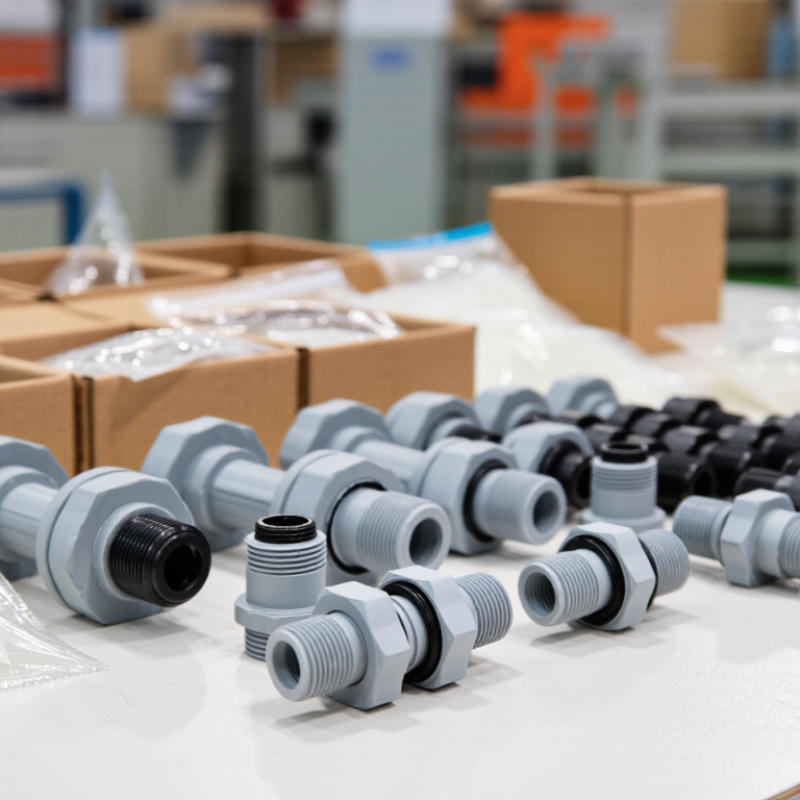
5 Tips to Find an Eco Friendly Nylon Cable Gland Manufacturer

Define Your Environmental and Performance Requirements

Define Your Environmental and Performance Requirements

Tip 1: Start with measurable environmental criteria.

Nylon is durable, but its production still carries an environmental burden. PlasticsEurope reported global plastics production at about 400.3 million tonnes in 2022. Ask manufacturers for recycled-content percentages, production energy data, and waste records. A recycled claim can sound convincing. Verify it.

Your application matters equally. Record temperature, humidity, chemical exposure, cable diameter, and expected service life. IEC 62444 provides testing guidance for cable glands, while IEC 60529 defines ingress protection ratings. For outdoor equipment, an IP68 gland may resist dust and prolonged water immersion. However, the exact test conditions matter. “IP68” alone is not enough. Check thread accuracy, sealing range, pull-out strength, and material stability after aging.

Tip 2: Request evidence, not promises.

An experienced supplier should provide test reports, material declarations, batch traceability, and an environmental management certificate such as ISO 14001. Ask whether the nylon is flame-retardant, halogen-free, UV-stabilized, or suitable for continuous exposure. These details affect safety and replacement costs. I have seen purchasing teams compare only unit prices, then discover cracked seals after one winter. That mistake is expensive.

Tip 3: Audit the manufacturer’s practical controls.

A Global Leading 16mm Nylon Cable Gland Manufacturer should explain resin sourcing, molding tolerances, inspection frequency, and corrective actions. Visit the factory when possible. Look at storage conditions. Nylon absorbs moisture. Poor storage can change dimensions before assembly, and that detail is easy to miss. Evaluate environmental performance and mechanical reliability together, not as separate promises.

Verify the Manufacturer’s Nylon Materials and Eco Credentials

Verify the manufacturer’s nylon grade before trusting an environmental claim. Ask for the resin datasheet, safety data sheet, recycled-content percentage, and production batch records. PA6 and PA66 can differ in moisture absorption, heat resistance, and mechanical strength. A cable gland that feels rigid may still fail after humidity exposure. Request samples, then inspect threads, sealing rings, flash, and clamping force. Small details matter.

Tip:
Check whether recycled nylon is post-industrial or post-consumer. These sources are not equivalent. The OECD Global Plastics Outlook reported 353 million tonnes of plastic waste in 2019, while only 9% was recycled. This figure covers all plastics, not nylon, but it shows why vague “green” wording deserves questions. Require a third-party certificate or traceable chain-of-custody record. ISO 14021 can support self-declared environmental claims, but it does not replace independent verification.

Tip:
Review the factory’s wider credentials, not just a polished certificate. ISO 14001 indicates an environmental management system, yet it does not prove low-impact nylon. Ask for electricity data, scrap rates, wastewater controls, packaging details, and product carbon calculations. The GHG Protocol Product Standard can clarify calculation boundaries. A supplier calling itself a Global Leading Nylon Reinforced Cable Gland Manufacturer should explain its evidence clearly. Some factories will provide impressive percentages without showing the baseline. That is a warning. My own review would include one uncomfortable question: can the supplier repeat the same material quality next year?

Assess Product Quality, Safety Standards, and Certifications

5 Tips to Find an Eco Friendly Nylon cable gland Manufacturer

Assess the nylon grade, dimensional stability, and sealing performance before discussing environmental claims. Nylon should resist heat, impact, oil, and moisture in real installation conditions. Request test reports for IEC 62444 cable-gland performance and IEC 60529 ingress protection. A clean-looking sample proves little. Tip: Test a gland after repeated tightening, bending, and temperature cycling.

Safety documents must identify the tested product, laboratory, date, and test method. Check for RoHS and REACH declarations, plus a current quality-management certificate such as ISO 9001. The OECD Global Plastics Outlook reports that only 9% of plastic waste was recycled globally in 2019. Therefore, ask whether the nylon contains verified recycled content, not vague “green” language. Tip: Compare the certificate number with the manufacturer’s exact model and material grade.

A reliable supplier should explain traceability from resin batch to finished gland. Look for incoming-material checks, flame-retardancy data, torque records, and production inspection samples. Ask about take-back options and packaging reduction, too. My practical concern is simple: recycled nylon may vary between batches if controls are weak. The best factory admits this risk and shows corrective records. Tip: Audit one production lot, then repeat the inspection later. One successful sample can mislead.

Examine Customization Options and Technical Support

Choosing an eco friendly nylon cable gland manufacturer requires more than checking recycled content. Customization and technical support reveal real competence. In my sourcing experience, a reliable supplier begins with the enclosure drawing, cable diameter, thread type, and installation environment. They should provide metric, PG, or NPT options, plus suitable IP ratings under IEC 60529. Small details matter. A loose seal can admit water, dust, or vibration.

MarketsandMarkets reported the global cable management market at approximately USD 23 billion in 2023, with industrial and data infrastructure projects supporting continued growth. That scale makes technical consistency essential. Ask whether the manufacturer can adjust locking nuts, sealing inserts, strain relief, and material formulations. For outdoor equipment, request ultraviolet resistance and temperature data. For electrical cabinets, ask for flame-retardant test evidence and torque guidance. A Global Leading Nylon Glands Manufacturer should also supply drawings, samples, inspection records, and traceable batch information.

Support should continue after delivery. Competent engineers can review cable tolerances, recommend tightening torque, and explain installation mistakes with photographs or test reports. They should clarify whether recycled nylon changes impact strength or sealing performance. I have seen attractive specifications fail during field assembly because installers received no practical instructions. That risk is easy to underestimate. Ask for replacement procedures, response times, and corrective-action records before approving a supplier. A thoughtful audit may expose gaps. That is useful.

Compare Production Capacity, Pricing, and Delivery Reliability

5 Tips to Find an Eco Friendly Nylon Cable Gland Manufacturer

Production capacity must match your forecast, not merely a supplier’s website claim. Request monthly output, injection-molding machine numbers, mold ownership, and current utilization. A factory producing 500,000 glands monthly may struggle with a sudden 200,000-piece order. PlasticsEurope reported global plastics production reached 400.3 million tonnes in 2022, increasing pressure on material efficiency and traceability.

Tip 1: Audit capacity with production records, sample schedules, and recent delivery data. Ask whether recycled nylon affects strength, sealing, or temperature performance.

Pricing needs a wider comparison. Request separate costs for resin, molding, assembly, testing, packaging, tooling, and freight. Recycled content can reduce environmental impact, but it may increase sorting and quality-control costs. The International Energy Agency reported that recycled plastics still represented only about 6% of global plastics production in 2022. That gap matters. A very low quotation may hide virgin resin, weak inspection, or unstable material supply.

Tip 2: Compare equivalent specifications, including thread type, IP rating, tensile strength, and corrosion resistance. Otherwise, the cheapest offer is not truly comparable.

Delivery reliability deserves evidence, not promises. Review the last six months of on-time delivery records and ask about backup resin suppliers. The World Bank’s Logistics Performance Index 2023 shows major differences in customs, infrastructure, and shipment reliability between countries.

Tip 3: Require a written lead-time range, safety-stock plan, and escalation contact. I would not trust a perfect forecast. Ports delay, molds fail, and demand changes. A responsible manufacturer should explain those weaknesses clearly and provide corrective actions.

Review Sustainability Practices and Long-Term Supplier Value

5 Tips to Find an Eco Friendly Nylon Cable Gland Manufacturer

Review Sustainability Practices and Long-Term Supplier Value

Choosing a Nylon Cable Gland manufacturer requires more than checking a recycled-material claim. Ask how the nylon is sourced, tested, and documented. Request evidence such as material certificates, factory energy records, and waste-handling procedures. A reliable supplier should explain its process clearly, without hiding behind vague environmental language. Look for practical details, including closed-loop water systems, reduced packaging, and energy-efficient molding equipment.

Factory visits can reveal what brochures miss. Check whether production areas are clean, organized, and properly maintained. Ask how defective glands are separated and reused. Review product testing records for sealing performance, temperature resistance, and thread accuracy. Sustainable materials have little value if frequent failures create replacement waste. Small details matter. Suppliers should also track emissions and set measurable improvement targets, not simply promise future progress.

Long-term value depends on communication and consistency. Examine delivery records, technical support, tooling maintenance, and the supplier’s response to quality problems. A five-year partnership needs stable capacity, transparent pricing, and documented corrective actions. Ask whether the supplier can provide batch traceability when specifications change. No manufacturer is perfectly green, and that is worth acknowledging. The stronger partner admits weaknesses, shares progress data, and accepts reasonable scrutiny. I would also reassess the supplier annually, because an impressive audit today may not reflect tomorrow’s practices.

IP68 Waterproof UL-Listed Metal-Shielded Cable Joints: A Guide to Reliable Cable Protection

Industrial environments are placing greater demands on cable infrastructure as automation, sensors, and connected equipment expand. MarketsandMarkets’ 2024 Industrial Ethernet Market report projects growth from approximately USD 11.2 billion in 2023 to USD 18.6 billion by 2028, increasing the need for dependable connection protection. An IP68 waterproof, UL-listed metal-shielded cable joint helps maintain electrical and mechanical integrity where cables face moisture, dust, vibration, oil, and temperature fluctuations.

Its conductive metal construction supports EMC performance by reducing electromagnetic interference and radio-frequency interference, helping protect sensitive signals in factories, energy facilities, transportation systems, and outdoor equipment. The IP68 sealing design provides protection against dust ingress and temporary or extended water immersion when correctly installed. Strain relief also reduces mechanical stress at cable entry points, lowering the risk of conductor damage and unplanned maintenance.

Global compliance is another consideration for international projects. The IEC 60529 ingress-protection framework defines the testing principles behind IP ratings, while safety listings and documented quality controls support more consistent procurement across regions. A professional-grade cable joint should therefore be selected according to cable diameter, shielding method, operating temperature, enclosure requirements, and installation conditions, ensuring reliable protection throughout the service life of the system.

FAQS

What documents should I request before trusting an eco-friendly nylon claim?

Request the resin datasheet, safety data sheet, recycled-content percentage, and batch records. Ask whether the recycled nylon is post-industrial or post-consumer. Vague wording is not enough.

How can I verify the nylon material’s quality?

Compare PA6 and PA66 data for moisture absorption, heat resistance, and mechanical strength. Request samples and inspect threads, sealing rings, surface flash, and clamping force. A rigid sample may still fail after humid storage.

Does recycled nylon always provide better environmental performance?

Not automatically. Check the recycled source, processing controls, and independent evidence. A supplier should show traceability records and explain its calculation boundaries. I would question impressive percentages without a clear baseline.

What factory information helps confirm genuine sustainability practices?

Request electricity data, scrap rates, wastewater controls, packaging details, and product carbon calculations. Check whether the facility reuses water or separates defective parts. A polished certificate alone proves little.

How should I evaluate a manufacturer’s production capacity?

Ask for monthly output, molding-machine numbers, mold ownership, and current utilization. Review production records and recent delivery schedules. A factory producing 500,000 pieces monthly may struggle with a sudden 200,000-piece order.

How can I compare quotations fairly?

Request separate costs for resin, molding, assembly, testing, packaging, tooling, and freight. Compare identical thread types, protection ratings, tensile strength, and corrosion resistance. The cheapest offer may hide weaker inspection or unstable materials.

What evidence shows that delivery promises are reliable?

Review six months of on-time delivery records and ask about backup resin suppliers. Require a written lead-time range, safety-stock plan, and escalation contact. Ports delay. Molds fail.

How should I judge long-term supplier value?

Review technical support, tooling maintenance, quality responses, and batch traceability. Ask for documented corrective actions when defects occur. Reassess the supplier annually, because today’s audit may not reflect tomorrow’s practices. No factory is perfectly green.

Conclusion

Choosing the right Eco-Friendly Nylon Cable Gland Manufacturer requires more than comparing product prices. Start by defining your environmental, sealing, temperature, chemical, and mechanical performance requirements. Then verify the manufacturer’s nylon materials, recycled-content claims, production controls, and environmental credentials. Product quality should be supported by relevant safety standards, testing records, and certifications that match your application and market needs.

It is also important to evaluate customization capabilities, engineering assistance, and technical support throughout product selection and installation. Compare production capacity, pricing transparency, lead times, and delivery reliability to reduce supply risks. Finally, review the manufacturer’s broader sustainability practices, including waste reduction, energy efficiency, responsible packaging, and long-term quality management. A supplier that combines dependable products, responsive service, stable production, and credible environmental practices can provide stronger value and support your organization’s sustainability goals over time.
Liam

Liam

Liam is a dedicated marketing professional at a leading connector manufacturing company that specializes in the production of waterproof brass cable connectors. With a plant area of 2,000 square meters, this high-tech enterprise has evolved since its establishment, focusing on integrating research......
Previous How to Find a Nylon Cable Gland Supplier for Street Lights?