Inquiry
Form loading...
0%

Picking the right Nylon Cable Gland supplier for street lights isn’t just about comparing prices — there's more to consider. Outdoor lighting setups are exposed to all sorts of harsh conditions: rain, dust, UV rays, vibrations, and temperature swings. A good supplier really gets these challenges because they’ve seen them in real-world installs. When you’re shopping, look for nylon that’s specifically designed for outdoor use, with stable sealing rings, precise thread sizes, and consistent clamping pressure. Sometimes it’s the little things that matter — a loose gland can let moisture creep inside a street light’s housing, which nobody wants.

Ethan Cole, the Technical Director at Northbridge Cable Solutions, puts it simply: “A small cable gland, but its sealing really protects the whole lighting connection.” That kind of insight comes from real hands-on experience. So, it’s important to ask your supplier for clear product details — like material specs, IP ratings, and test reports. Better yet, see if they can send you some samples before you buy a bunch. Check how consistent their production is, how well everything’s packaged, and if they can trace their batches. A top-notch supplier should also be upfront about their testing methods, warranties, and how they handle replacements — no vague promises allowed.

When evaluating a supplier, don’t forget to consider how well they communicate and support you technically. Can they recommend the right thread type for your project? Do they really understand cable diameters and the specifics of municipal outdoor lighting? Asking these questions shows whether they know their stuff. Sure, certifications help, but they aren’t everything — ask for proof from their factory too. Request photos of inspections, real measurements, and references from past projects. Nobody’s perfect, and even experienced buyers can sometimes miss details like thread compatibility or gasket aging. Taking your time with a solid shortlist, doing some practical testing, and having open, honest technical chats will help you avoid costly mistakes. Ultimately, finding the right partner means confidence — knowing you’ll get dependable Nylon Cable Glands that stand up to outdoor conditions and keep things running smoothly after installation.
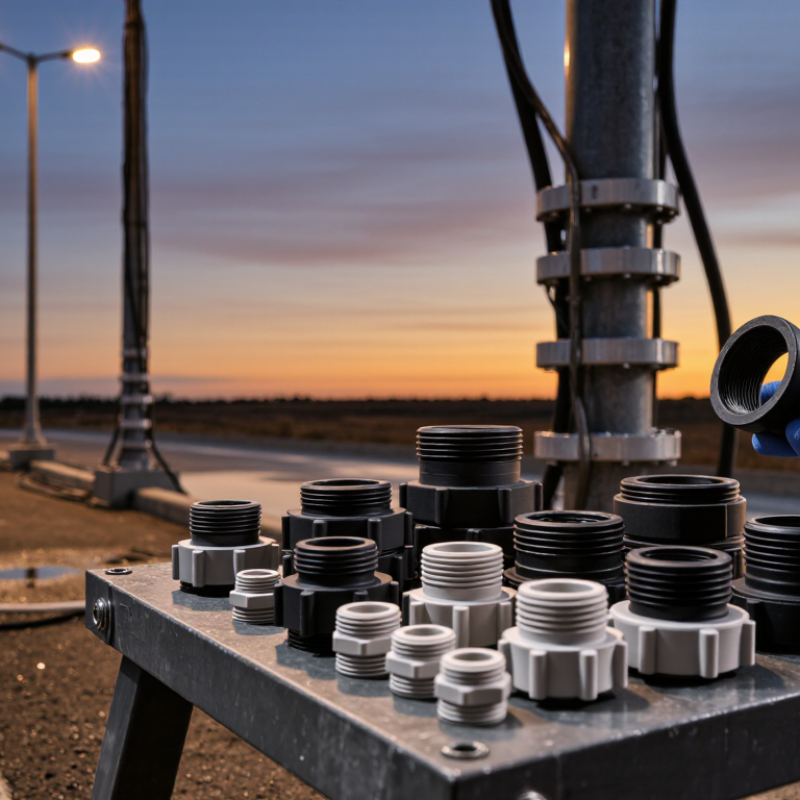
How to Find a Nylon Cable Gland Supplier for Street Lights?

Define the Requirements for Street Light Cable Glands

Define the installation before searching for a Nylon Cable Gland supplier.

Record the cable’s outer diameter, conductor count, thread size, panel thickness, and tightening space. Measure actual cables, not only catalogue values.

For street lights, specify exposure to rain, dust, ultraviolet radiation, vibration, and road salt. IEC 62444 provides a useful framework for cable-gland performance and selection. Ask for the tested sealing range. Do not guess.

The energy context matters. The International Energy Agency estimates that lighting consumes about 15% of global electricity. The U.S. Department of Energy has reported potential LED street-light energy savings above 50% compared with conventional sources.

As LED upgrades expand, glands must protect compact, warmer, electronically controlled luminaires. Select nylon with documented UV and temperature resistance. Match the required ingress rating to the complete enclosure. An IP66 claim matters only when the full assembly is tested.

Coastal projects need stronger sealing verification than inland roads.

Request material certificates, dimensional drawings, IP test reports, and batch traceability. Check whether each report covers the exact gland size and sealing insert.

Confirm thread compatibility, wrench clearance, installation torque, and replacement availability. A supplier should provide samples for wet and dusty installation trials. Field evidence beats polished sales language.

Still, a perfect sample can mislead. Over-tightening may damage the seal, while under-tightening invites moisture. I would document both failures before approving volume supply.

That extra step feels slow. It is cheaper than reopening a street-light cabinet.

Identify Suitable Nylon Cable Gland Supplier Types

When choosing a Nylon Cable Gland supplier for street lights, identify the supplier type before comparing prices. Direct manufacturers suit large projects requiring stable production, custom thread sizes, and repeat deliveries. They usually provide technical drawings, material data, and batch traceability. This evidence supports more reliable purchasing decisions.

Authorized distributors can be useful for smaller orders, urgent replacements, and mixed product requirements. Their local stock may reduce delivery delays. However, confirm whether they understand outdoor lighting applications. A general electrical wholesaler may not check UV resistance, sealing performance, or temperature limits carefully enough. Samples matter. Ask for glands that match the cable diameter, enclosure thread, and required IP protection level.

Specialist cable-accessory suppliers often offer stronger engineering support. They may recommend strain relief designs for poles exposed to wind, rain, vibration, and maintenance work. Search terms such as Global Leading 16mm Nylon Cable Gland Supplier can help build an initial supplier list, but wording alone proves little. Request independent test reports, production photographs, inspection records, and recent project references. Check the actual nylon grade, flame behavior, operating temperature, and torque guidance.

A low quote can hide weak consistency. That mistake is common. Compare sample quality with delivered batches, not only catalog images. No checklist is perfect. Keep one approved sample, record every specification, and review supplier performance after installation. This practical feedback often reveals problems that documents miss.

Check Materials, Sizes, and Protection Ratings

When evaluating a nylon cable gland supplier for street lights, inspect the material before comparing prices. Outdoor glands should use UV-stabilized nylon, often reinforced polyamide 6 or polyamide 66. The material must resist sunlight, rain, vibration, and temperature changes. Ask for material specifications, flame performance, and operating temperature data. A supplier describing itself as aGlobal Leading Nylon Reinforced Cable Gland Supplier should provide traceable test reports, not vague claims.

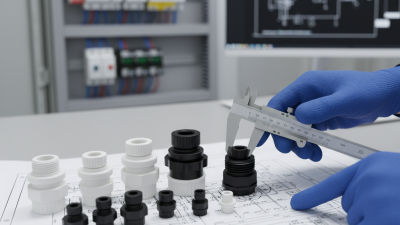
Size accuracy matters. Measure the cable’s actual outer diameter, including insulation swelling after installation. Match this measurement with the gland’s clamping range. Check the thread type, thread length, and panel-hole diameter. Metric and other thread standards are not interchangeable. A gland that feels tight may still leave a poor seal. Request samples before ordering thousands. Small mistakes become expensive.

Protection ratings need practical verification. For exposed street-light junctions, choose a suitable IP rating, such as IP66 or IP68, based on the enclosure and installation conditions. The rating depends on the complete assembly, not the gland alone. Examine the sealing ring, locknut, and strain-relief teeth. They should grip without cutting the cable jacket. A field lesson is simple: over-tightening can damage nylon threads. I once underestimated cable movement near a pole joint. The seal looked secure, but repeated vibration loosened it. Installation instructions and torque guidance deserve equal attention.

Evaluate Supplier Quality and Manufacturing Capabilities

Finding a nylon cable gland supplier for street lights requires more than comparing prices. Street poles face rain, dust, vibration, sunlight, and seasonal temperature changes. A reliable supplier should explain how its nylon material performs under these conditions. Ask for material data, UV resistance results, sealing performance, and operating temperature ranges. Request samples before approving large quantities.

Inspect the manufacturing process closely. Does the supplier control injection molding temperatures, thread dimensions, and sealing-ring consistency? Small variations can cause loose fittings or water entry around the cable. A capable factory should show calibrated inspection tools, batch records, and clear procedures for handling defective parts. Photos are useful, but a live factory visit provides stronger evidence. If visiting is impossible, request inspection videos and independent test reports.

Experience matters in practical details. Check whether the supplier has produced glands for outdoor lighting, not only indoor electrical boxes. Ask how it manages tooling maintenance, packaging, and replacement parts. The phrase Global Leading Nylon Glands Supplier should never replace evidence. Look for traceable samples and repeatable test results. I would also compare three production batches, because one excellent sample may hide unstable manufacturing. That uncomfortable check is easy to skip. It should not be. A supplier that answers technical questions clearly, admits limitations, and improves after feedback is often more dependable than one offering the lowest quotation.

How to Find a Nylon Cable Gland Supplier for Street Lights?

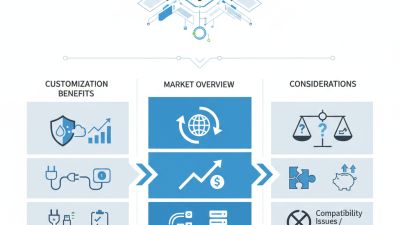
Evaluate supplier quality and manufacturing capabilities using a weighted procurement checklist.

This illustrative 100-point assessment model prioritizes ingress protection, material performance, production capability, testing, and traceability. For street-light applications, confirm evidence such as IP testing, UV-resistant nylon specifications, process control records, dimensional inspection, and batch traceability before approval.

Compare Certifications, Pricing, and Delivery Terms

When sourcing a Nylon Cable Gland for street lights, compare certification evidence before comparing prices. IEC 62444 covers cable gland design and mechanical performance. IEC 60529 verifies protection ratings, such as IP66 or IP68. Ask for current test reports, material grades, UV-resistance data, and production traceability. A certificate alone is not enough. Check its scope, laboratory, and expiry date.

Pricing should include more than the unit quotation. Request separate costs for glands, locknuts, sealing washers, samples, tooling, and freight. The International Energy Agency reported that lighting uses about 15% of global electricity consumption in its Energy Efficiency 2023 analysis. Efficient street-light upgrades are expanding, but a low-grade gland can still cause moisture damage and maintenance costs. Compare sealing performance at outdoor temperatures, not only the cheapest carton price. A small price difference matters less than one failed junction box.

Delivery terms need equal attention. Ask about sample lead time, mass-production capacity, minimum order quantity, inspection procedures, and replacement rules. A practical supplier should state whether delivery dates begin after payment, drawing approval, or sample confirmation. Keep buffer stock for seasonal projects. It helps. However, I would not trust an impressive promise without shipment records or a documented quality system such as ISO 9001. The 2023 Global Infrastructure Outlook indicates continuing pressure for resilient urban infrastructure, yet forecasts can be imperfect. Recheck local demand, customs timing, and weather exposure before signing. A written inspection plan protects both sides.

Verify Samples, Support, and Long-Term Reliability

How to Find a Nylon Cable Gland Supplier for Street Lights?

A reliable supplier should provide samples before any large order. Install those samples on actual street-light housings, not only on a clean workshop panel. Check the gland against the cable’s measured outer diameter. A loose fit can admit moisture, while excessive tightening may damage the cable jacket. Inspect the thread, sealing ring, locknut, and strain relief by hand. Then repeat the installation several times. Small cracks often appear after repeated assembly.

Ask for clear technical documents and practical support. The supplier should explain material grade, temperature range, ingress protection testing, and recommended tightening torque. Request drawings with exact thread dimensions. Ask how quickly engineers answer installation questions. Real support is specific. “Use more force” is not enough. I once trusted a sample that performed well indoors but hardened after outdoor exposure. That mistake changed how I evaluate plastic components.

Long-term reliability needs evidence beyond a polished sample. Review batch inspection records, material traceability, and packaging methods. Ask whether production samples are checked for sealing performance and dimensional consistency. A dependable supplier should discuss replacement procedures and warranty terms without avoiding difficult questions. Request references from similar outdoor projects when available. Field feedback matters more than attractive photographs. One limitation remains: laboratory tests cannot reproduce every road vibration, winter freeze, or installation error. Leave room for a pilot order and inspect the first production batch carefully.

Breathable IP68 Cable Glands: REACH-Certified Solutions from Trusted China Suppliers and Factories

Breathable IP68 cable glands are engineered for enclosures that require both dependable sealing and pressure control. Their microporous membrane allows air exchange while blocking water and dust, helping reduce condensation caused by temperature fluctuations. Tested against the IP rating framework defined in IEC 60529, an IP68 design can support protection in demanding outdoor, industrial, renewable-energy, and control-panel applications when correctly selected and installed. The cable gland’s strain relief and sealing elements also help protect cables from vibration, moisture, and mechanical stress.

Market data reflects the growing need for reliable cable-management components. A 2024 cable-gland market analysis by Grand View Research identifies industrial automation, energy, and telecommunications as key application areas, driven by expanding infrastructure and higher equipment-protection requirements. For international projects, REACH certification is equally important. Compliance with Regulation (EC) No. 1907/2006 helps demonstrate controlled use of substances of very high concern and supports smoother procurement across European supply chains, while improving material-transparency expectations in global markets.

Sourced from experienced China suppliers and factories, these breathable cable glands combine IP68 sealing performance with REACH-certified material compliance. They are available for various cable diameters, enclosure materials, and installation conditions, allowing engineers and distributors to select practical solutions for harsh environments. Quality-focused production, documented testing, and export-oriented inspection procedures help maintain consistent performance from sample approval through volume supply.

FAQS

Which supplier type suits a large street-light project?

Direct manufacturers suit large projects with repeated deliveries and custom thread sizes. They should provide drawings, material data, and batch traceability. Check production consistency, not only the first sample.

When are authorized distributors a practical choice?

Distributors can help with small orders, urgent replacements, and mixed requirements. Local stock may shorten delivery time. Confirm their outdoor-lighting knowledge before ordering.

What material should an outdoor nylon cable gland use?

Choose UV-stabilized nylon, often reinforced polyamide 6 or polyamide 66. It should resist sunlight, rain, vibration, and temperature changes. Request material grades and flame-performance data.

How should the correct gland size be selected?

Measure the cable’s actual outer diameter, including insulation swelling. Match it with the gland’s clamping range. Also check thread type, thread length, and panel-hole diameter.

What protection rating is suitable for exposed street-light junctions?

IP66 or IP68 may suit exposed junctions, depending on the complete enclosure assembly. Inspect the sealing ring, locknut, and strain-relief teeth. The gland alone does not determine the final rating.

Which documents should be requested before purchasing?

Request current test reports, UV-resistance data, material information, and production records. Check each report’s scope, laboratory, and expiry date. A certificate alone proves little.

How should supplier pricing be compared?

Compare the complete cost, including glands, locknuts, washers, samples, tooling, and freight. A cheaper carton may hide weak sealing performance. One failed junction box can cost more.

What delivery details deserve attention?

Ask about sample lead time, minimum order quantity, production capacity, inspections, and replacement rules. Confirm when delivery timing begins. Keep buffer stock for seasonal projects.

How can installation failures be reduced?

Keep one approved sample and record every specification. Follow torque guidance carefully, because over-tightening can damage nylon threads. Vibration near a pole joint may loosen a seal.

Can supplier claims be accepted without further checking?

No. Request shipment records, inspection evidence, production photographs, and recent project references. Promises need evidence. My own checklist might still miss field problems, so review performance after installation.

Conclusion

Finding the right Nylon Cable Gland For Street Lights Supplier begins with clearly defining the project requirements, including cable diameter, installation environment, temperature range, thread type, and expected service life. Suppliers should then be compared according to their experience with outdoor electrical applications and their ability to provide suitable nylon materials, accurate sizes, and reliable ingress protection ratings for moisture, dust, and exposure.

A dependable supplier should demonstrate stable manufacturing capabilities, consistent quality control, and relevant test reports or certifications. When comparing options, review total pricing, minimum order quantities, production capacity, lead times, packaging, and delivery terms rather than focusing only on unit cost. Request samples to check fit, sealing performance, thread accuracy, and installation convenience before placing a large order. Clear technical support, responsive communication, warranty policies, and a history of reliable long-term supply are also essential factors. This careful evaluation helps ensure safe, durable, and cost-effective cable gland solutions for street light projects.
Ethan

Ethan

Ethan is a dedicated marketing professional at Zhejiang Hongxiang Connector Co., Ltd., a high-tech enterprise specializing in the production of waterproof brass cable connectors. With a keen understanding of the industry and extensive knowledge of the company’s products, Ethan plays a crucial role......
Previous How to Choose a Stainless Steel Cable Gland in 2026?