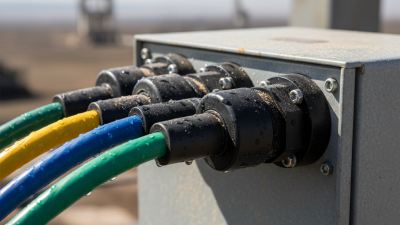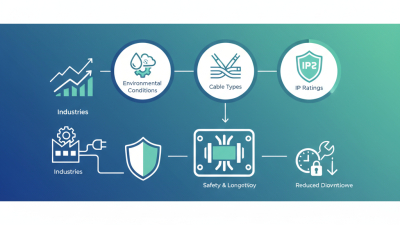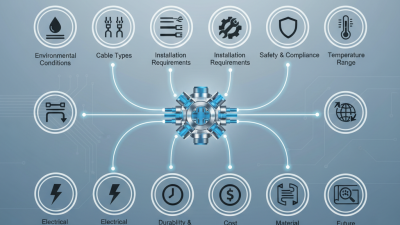
Choosing a Stainless Steel Cable Gland in 2026 isn’t just about ticking off checkboxes like thread size or material grade. Honestly, real-world installations tend to reveal quick whether your decision was on point or not. Outdoor junction boxes, for example, face salt spray, Vibration can shake loose those fittings if they’re not right, heat can dry out seals, and rushing measurements? That’s how leaks sneak in — often when you least expect them.
Paul Dyer, who’s actually the Managing Director over at CMP Products, once said, “A cable gland is a tiny part with one big responsibility.” And honestly, he nailed it. You need a stainless steel gland that fits the cable size, suits your enclosure’s entry, can handle environmental challenges, and matches how you plan to install it. For coastal or chemically harsh spots, stainless steel 316L usually does the job — but just picking the right material isn’t a guarantee. You’ve also got to think about seal quality, strain relief capabilities, thread compatibility, and whether it’s actually rated for ingress protection.
This guide is all about helping you choose based on real evidence, not just habits or guesses. We’ll look at IP ratings, resistance to corrosion, bonding options for armoured cables, electromagnetic compatibility (EMC), temperature ranges, and how easy it is to perform maintenance. Plus, it digs into details that some product pages skip over — things like washer design, sealing ranges, and certification scope, all of which can make a big difference over years of use.
Let’s get real — there’s no one-size-fits-all gland that works perfectly for every project. That’s an honest truth. A high-end model might be overkill indoors but could actually turn out to be a waste of money outside. So, always double-check the product data against your actual cables, enclosures, and site conditions. And don’t underestimate the installation part — even the best stainless steel gland can fail if threads get damaged or if torque is guessed instead of measured. The sections below are designed to give you a practical, real-world framework so you can make smarter, safer choices in 2026 — and beyond.
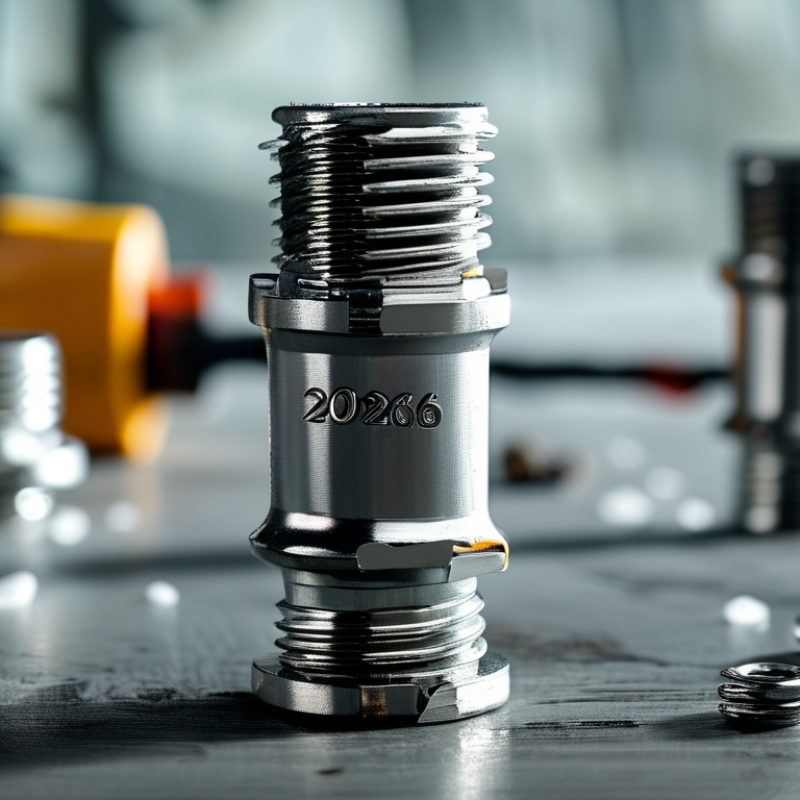
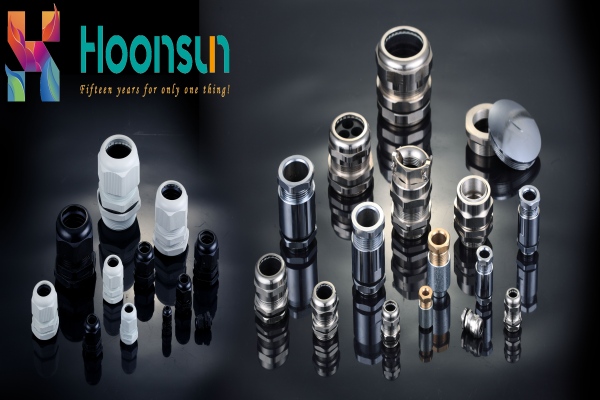
A Stainless Steel Cable Gland is a mechanical fitting that secures a cable where it enters an enclosure. It also helps seal out dust, moisture, and vibration. Most designs use stainless steel bodies, sealing rings, and compression nuts. The result is a controlled cable entry, not just a tight hole. For anyone searching“1 Stainless Steel Cable Gland”, the number may indicate a product variant, size, or quantity. Always check the supplier’s technical description.
It resists corrosion in coastal plants, food-processing areas, outdoor cabinets, and humid workshops. Grade 316 usually offers stronger resistance to salt exposure than grade 304. However, material alone does not guarantee reliable protection. The gland must match the cable diameter, thread type, enclosure rating, and operating temperature. Small mismatches matter.
Measure carefully. Then check the datasheet.
A loose seal can admit water, while excessive tightening may damage the cable jacket. Confirm the required IP rating and installation torque before fitting. In practical inspections, poor cable preparation causes more failures than the metal itself. That is easy to overlook. Stainless steel can also create galvanic corrosion when it contacts unsuitable metals in wet conditions. Use compatible accessories and inspect the entry point during maintenance. A durable gland still needs correct installation, regular inspection, and honest consideration of the surrounding environment.
How to Choose a Stainless Steel Cable Gland in 2026?
Which Stainless Steel Grade Fits Your cable gland Application?
A stainless Steel Cable Gland must match the environment, not only the thread size. The1/2 Stainless Steel Cable Gland may suit compact panels, outdoor enclosures, or machinery. However, its grade decides long-term performance. Grade 304 contains approximately 18% chromium and 8% nickel. It performs well indoors and in ordinary outdoor conditions. Grade 316 adds molybdenum, usually around 2–3%. This improves resistance against chlorides, seawater mist, and chemical exposure.
The NACE IMPACT study estimated global corrosion costs at about US$2.5 trillion annually, equal to 3.4% of global GDP. That figure makes material selection more than a purchasing detail. For coastal plants, wastewater areas, and washdown zones, 316 or 316L is generally the safer choice. Duplex stainless steel may fit harsher service, but availability and installation checks become more important. World Stainless reported roughly 58.4 million tonnes of crude stainless steel production in 2023, showing the material’s broad industrial role. Still, a higher grade is not automatically the best answer.
Tips: Confirm chloride levels, cleaning chemicals, temperature, and enclosure exposure. Check the gland’s sealing range and IEC 60529 ingress requirement. Avoid mixing stainless grades without reviewing galvanic corrosion risk. I have seen projects over-specify 316, then overlook poor sealing. That mistake remains expensive. Product drawings, mill certificates, and corrosion data should support the final decision.
Higher chromium improves general corrosion resistance, while nickel supports toughness and molybdenum improves resistance to chloride-related pitting. Grade 304 is suitable for many indoor and mild outdoor installations. Grade 316L is commonly preferred for coastal, marine, and chemically exposed environments. Duplex 2205 provides high strength and strong chloride resistance, while 904L is intended for highly corrosive chemical service.
Data shown are representative nominal alloying values in weight percent based on commonly specified composition ranges for each stainless steel grade. Actual values may vary according to the applicable material standard, product form, and manufacturer.
Choosing a stainless steel cable gland starts with the cable’s actual outer diameter, not its label. Measure the jacket with a caliper, including braiding or armor where the seal sits. A gland’s stated clamping range should cover that measurement near its middle. Do not force a 24-millimeter cable into a 20–22-millimeter range. The seal may look tight, yet moisture can travel along the jacket. For a 1 2 Stainless Steel Cable Gland, confirm whether “1/2” means thread size, cable range, or a supplier’s search term. That wording can mislead.
Thread selection must match the enclosure entry. M20, M25, NPT 1/2, and PG16 are not interchangeable. Check pitch, thread form, and available wall thickness. IEC 62444 covers cable-gland performance requirements, while IEC 60529 defines ingress ratings such as IP66 and IP68. IP68 is not one universal depth or time; the manufacturer must state its test conditions. MarketsandMarkets’ 2024 cable-glands study forecasts continued market growth through 2029, reflecting wider use in industrial equipment and renewable-energy systems. This growth does not remove basic fitting errors. Entry type matters too: straight glands suit direct runs, while 90-degree versions reduce bending space. Leave enough cable slack for termination. I still recheck thread engagement after installation, because a perfect diameter match cannot correct a cross-threaded entry.
Selecting a stainless steel cable gland starts with the real installation environment. An IP rating describes protection against dust and water, not overall product quality. IP66 may suit a washdown enclosure, while IP68 requires a specified immersion depth and duration. Those conditions matter.
Check whether the rating applies to the complete assembly, including the cable, washer, and enclosure wall. A gland cannot maintain its advertised protection if the cable diameter falls outside its clamping range.
Review the lowest outdoor temperature, normal operating heat, and short-term peaks near motors or heaters. The seal material often limits the usable range. Also check the cable jacket, because the gland may survive heat that damages the cable.
In practice, I record measured temperatures instead of relying only on ambient estimates. My first estimate is not always correct.
IP68 is not automatically a pressure rating. For sealed vessels, underwater equipment, or pressurized enclosures, confirm the gland’s tested pressure, test duration, and cable type.
Thread engagement, installation torque, and enclosure thickness can change performance. A stainless steel body offers strong corrosion resistance, but it does not correct poor installation.
I have seen excellent components fail because the locknut was loose or the cable surface was contaminated. A written inspection record improves reliability, even when the job seems routine.
Safety documentation should guide your choice, not just the shiny stainless steel body. Check whether the gland follows IEC 62444 for mechanical and installation requirements. Confirm its IP rating under IEC 60529, especially for outdoor equipment, washdown areas, or dusty enclosures. An IP68 claim matters only when the gland, seal, cable, and enclosure work together.
For hazardous locations, look for relevant IECEx or ATEX certification. Verify the certificate number, protection method, gas or dust group, temperature range, and permitted cable size. A certificate alone can mislead. Its scope may exclude your cable diameter or installation method. In field inspections, I have found missing test records more concerning than small surface defects. Check the latest certificate and regional requirements before ordering. A 1/2 Npt Stainless Steel Cable Gland may fit mechanically, yet still fail if the enclosure thread or sealing range is unsuitable.
Tips: Measure the cable outer diameter with a caliper. Check thread type and pitch carefully. Review the manufacturer’s installation torque. Confirm the stainless grade, such as 316L, when salt spray or chemicals are present. Ask for traceable test reports, material details, and a declaration of conformity. Do not assume certification from a printed symbol. Inspect the actual documents. Even experienced installers sometimes overlook washer thickness, which can affect the final seal.
Installation method should match the enclosure, cable, and maintenance plan. Threaded glands provide strong mechanical retention, but they need accurate hole preparation and torque control. Compression glands install quickly, yet rushed tightening can damage the seal. In field work, I check cable diameter with a caliper, not by eye. Small errors matter. IEC 62444 defines cable gland performance requirements, including mechanical retention and sealing tests. Its guidance supports testing the complete assembly, rather than trusting the gland alone.
Durability depends on more than stainless steel grade. The 2024 AMPP corrosion report links chloride exposure, moisture, and temperature cycles with accelerated metal degradation. For coastal or chemical areas, specify suitable corrosion resistance and inspect crevices around threads. IEC 60529 classifies IP protection; IP6X requires dust-tight construction, while IPX8 depends on agreed immersion conditions. An IP rating is not a lifetime promise. I have seen clean-looking glands fail after poor cable alignment.
Total cost includes labor, downtime, replacement seals, and inspection access. A cheaper gland may require extra washers or repeated retightening. A faster installation can reduce labor, but only when the installer follows the specified torque. The 2024 Global Cable Glands Market report identifies reliability and harsh-environment performance as major purchasing factors. I would compare installed cost over five years, not purchase price alone. My own checklist is still imperfect: it can miss vibration, thermal expansion, or future cable changes. That weakness deserves review before approval.
Grade 304 suits indoor areas and ordinary outdoor conditions. Grade 316 performs better near chlorides, seawater mist, and chemicals. Higher is not always better.
Choose 316 or 316L for coastal plants, wastewater spaces, and frequent washdown areas. Molybdenum improves chloride resistance. Check actual exposure before paying for a higher grade.
Measure the cable’s actual outer diameter with a caliper. Include braiding or armor where the seal grips. The measurement should sit near the clamping range’s middle.
It should not. The seal may look tight, but moisture can travel along the jacket. Small mismatch, serious problem.
Match the thread size, pitch, thread form, and wall thickness. M20, M25, NPT 1/2, and PG16 are different systems. They are not interchangeable.
Straight glands suit direct cable runs. Angled glands can reduce bending space near crowded equipment. Leave enough slack for termination and inspection.
No. IP68 depends on stated immersion depth and test duration. Confirm the rating for the complete assembly, cable, washer, and enclosure wall.
Check minimum temperature, normal heat, and short-term peaks near motors or heaters. Confirm the seal and cable jacket limits. IP68 is not automatically a pressure rating. Review tested pressure, duration, torque, and cable type.
A loose locknut, contaminated cable, poor sealing, or cross-threaded entry can reduce protection. Check thread engagement after tightening. My first estimate is not always correct.
Choosing the right Stainless Steel Cable Gland in 2026 requires more than selecting a corrosion-resistant fitting. Start by considering the installation environment, including moisture, chemicals, salt exposure, vibration, and mechanical stress. Select a suitable stainless steel grade for the required durability, then match the gland to the cable’s outside diameter, thread size, and entry type. Accurate sizing helps maintain sealing performance and prevents unnecessary strain on the cable.
Next, check the gland’s IP rating, operating temperature range, and pressure resistance to ensure reliable performance under actual conditions. Safety standards and relevant certifications should also be reviewed for the intended industry and installation area. Finally, compare installation methods, maintenance needs, service life, and total cost rather than focusing only on the initial purchase price. A well-matched Stainless Steel Cable Gland can improve protection, simplify installation, and provide dependable long-term performance when its technical specifications align with the application.