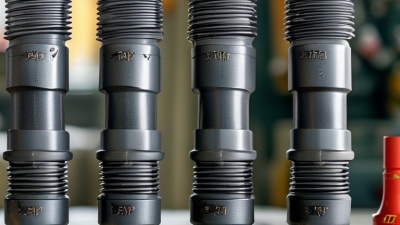
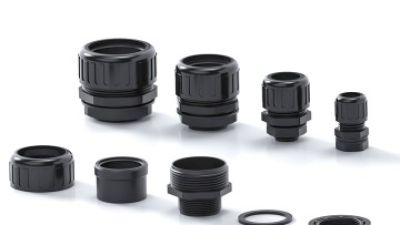
Picking the right cable entry might seem like a minor call, but inside a control cabinet it can cause real headaches. If a gland isn’t fitted properly, dust, moisture, or cable movement can work their way in and mess up sensitive connections. In this guide, we’re looking at seven practical options for Nylon Cable Gland For Cabinets Customization, drawing on installation experience and what actually tends to matter in common cabinet setups.
We compare thread types, clamping range, sealing performance, material quality, and how much installation space each option needs. We also look at how each Nylon Cable Gland handles vibration, temperature swings, and cables that get moved again and again. The little details add up. A 6 mm cable doesn’t need the same grip as a 12 mm one. And if the enclosure is compact, you might need a shorter thread or an angled entry.
Truth is, no gland is the best for every job. Some seal really well but don’t give you much adjustment. Others go in fast but feel less solid when vibration never stops. The smarter way to choose is to stick with measurable evidence—dimensional drawings, test data, and whether the supplier is consistent. Looks alone won’t tell you much.
The products here fit different customization goals, from lightweight junction boxes to automation cabinets packed with wiring. We lay out their pros and cons clearly, without pretending one design is universally better. Engineers, panel builders, and maintenance teams can use this guide to narrow things down before ordering samples. Still, a careful trial fit is worth it. Real cabinet conditions often bring up issues that specs never mention.
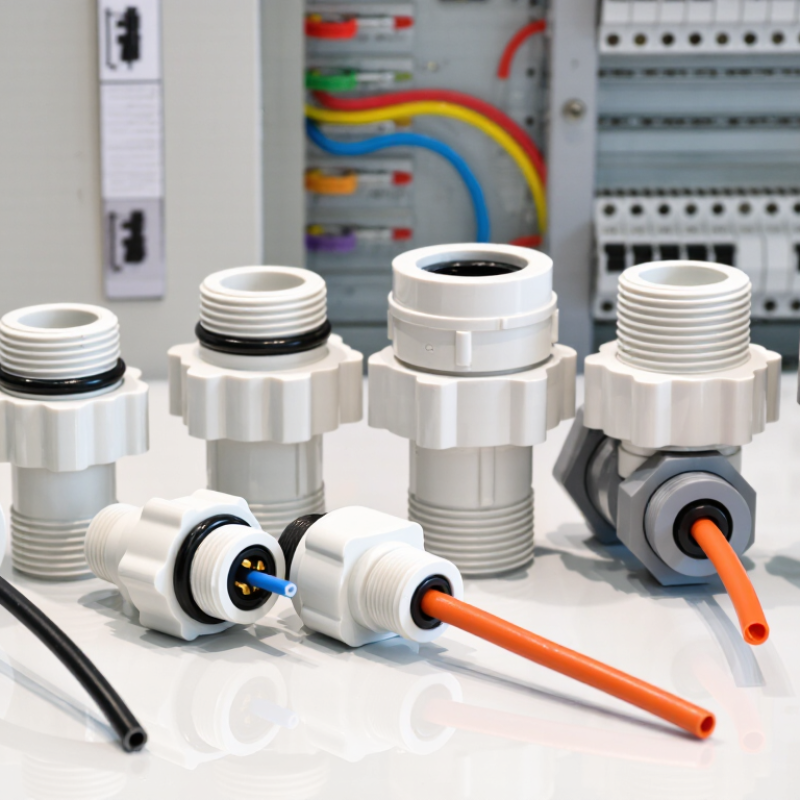
What Nylon Cable Glands Are and Why They Suit Customized Cabinets
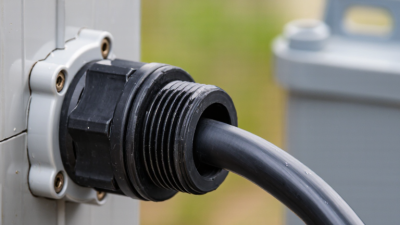
Nylon Cable Glands are fittings that secure cables where they enter an electrical cabinet. They provide strain relief, reduce dust entry, and help maintain enclosure protection. Unlike simple holes, a gland grips the cable jacket with a sealing ring. This prevents movement during vibration or maintenance. In my cabinet projects, a16mm Nylon Cable Gland has worked well for smaller control cables and sensors. The correct size matters. A loose gland can admit moisture, while excessive tightening may damage the cable.
Customized cabinets often contain mixed cable diameters, irregular layouts, and limited installation space. Nylon Glands suit these conditions because they are lightweight, corrosion-resistant, and easy to drill and install. Their insulating properties can also help reduce accidental contact risks around low-voltage wiring. However, nylon is not ideal for every environment. High heat, strong chemicals, or outdoor exposure may require another material. That decision should follow the cabinet’s operating conditions and the gland’s tested protection rating.
Tips: Measure the cable’s outer diameter before ordering. Check the thread type and panel thickness. Tighten the cap firmly, but do not force it. Leave a small service loop inside the cabinet. I once ignored bending space near a gland, and the cable jacket developed stress marks. The layout looked neat, but it was not truly reliable. A second inspection often reveals these small design mistakes.
Key Features to Compare When Selecting a Nylon Cable Gland
Choosing among the 7 Best Nylon Cable Glands for Cabinet Customization requires more than comparing prices. A useful comparison starts with cable diameter, thread size, and panel thickness. Measure the cable jacket, not only the conductor bundle. A gland should grip firmly without crushing insulation. Tiny errors matter.
Check the sealing performance and stated ingress rating for the cabinet environment. Dust, washdown spray, oil mist, and outdoor moisture demand different protection levels. Examine the gasket material, compression range, and locking nut design. A Nylon Reinforced Cable Gland can provide reliable strain relief while keeping installation lightweight. However, nylon may perform differently under heat, ultraviolet exposure, or repeated vibration. Verify documented temperature and material data before choosing it.
Thread compatibility also deserves careful attention. Metric and other thread profiles are not interchangeable, even when they appear similar. Look for smooth threads, clear molding, and a positive clamping action. During installation, tighten the gland evenly and avoid excessive force. It is easy to over-tighten nylon parts. That mistake can damage threads or distort the seal. A practical test is simple: pull the cable gently after assembly and inspect the entry point. If the cable shifts, the gland may be oversized, poorly fitted, or unsuitable for the application. Perfect selection is uncommon; documented testing and honest rechecking usually produce better results.
Seven Nylon Cable Gland Types for Different Cabinet Requirements
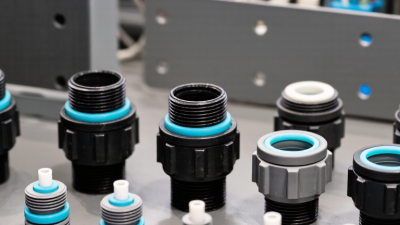
Cabinet customization starts with the correct Nylon Cable Gland type. Each design solves a different installation problem. Standard nylon glands suit ordinary cable entry points and provide basic strain relief. Waterproof glands use sealing rings to protect against splashing water and dust. They work well on outdoor control cabinets. EMC nylon glands help reduce electromagnetic interference around sensitive wiring.
Strain-relief glands are useful where cables may bend or pull during maintenance. Multi-hole glands guide several small cables through one opening. Flexible glands fit moving cables and awkward cabinet corners. Panel-mount glands create a compact connection on thin enclosure walls. They can save space, but their thread length must match the panel thickness. A Global Leading Nylon Cable Gland Factory may offer these types in different thread sizes, sealing ranges, and colors. Specifications still require careful checking.
Tips: Measure the cable outer diameter with a caliper. Leave enough thread engagement for the locknut. Check the sealing range, not only the gland size. Test one sample before ordering hundreds. I once saw a neat cabinet fail because the cable seal was too loose. Appearance is not protection. Choose nylon with suitable temperature and flame-performance data for the cabinet environment. Think about future maintenance, too. A gland that fits today may become inconvenient after rewiring.
How to Match Gland Size With Cable Diameter and Enclosure Thickness
7 Best Nylon Cable Glands for Cabinet Customization
Matching a nylon cable gland requires two measurements: cable diameter and enclosure thickness. Measure the finished cable jacket with calipers, not the conductor bundle. Jacket thickness can change the final size.
Choose a gland whose clamping range includes the measured diameter comfortably. Do not select the smallest possible range. Compression should hold the cable firmly without crushing it. A loose fit may allow moisture, dust, or cable movement. An overly tight fit can damage the jacket. I have seen both mistakes during cabinet assembly.
Check the enclosure hole and gland thread together. The hole must match the thread specification, while the threaded section must pass through the wall and accept the locknut. For thin panels, a standard locknut may work. Thicker walls may require a longer thread or an internal spacer. Leave enough clearance for tightening tools. A crowded cabinet causes poor installation.
Before final assembly, test one gland with the actual cable. Confirm that the seal closes evenly around the jacket. Check the washer position and the enclosure surface. If the panel is uneven, sealing performance may suffer. Cable diameter also varies between batches, so rechecking is sensible. Small details matter here. A gland can appear correct and still fail after vibration or repeated cable movement.
Choosing Materials, Sealing Ratings, and Thread Standards
7 Best Nylon Cable Glands for Cabinet Customization
Choosing Materials, Sealing Ratings, and Thread Standards
Nylon cable glands support neat, protected cable entry in customized control cabinets. Material selection affects strength, temperature resistance, and outdoor durability. Standard PA66 nylon works well for indoor panels and moderate operating conditions. For outdoor installations, choose stabilized nylon with better ultraviolet resistance. Check the stated temperature range carefully. Heat can reduce sealing pressure over time. A common mistake is selecting by appearance rather than load and environment.
Sealing ratings need practical attention. IP66 protects against dust and powerful water jets when the gland is correctly installed. IP68 offers stronger water protection, but its test conditions must be reviewed. Cable diameter, washer placement, and tightening torque all affect performance. A gland may carry an impressive rating on paper. Poor installation can still allow moisture inside. Keep that in mind.
Thread standards must match the cabinet entry and locknut. Metric threads suit many modern enclosures and use millimeter sizing. NPT threads require compatible tapered fittings and careful engagement. PG threads remain useful when existing equipment uses that system. Never force mismatched threads. It damages both parts. Measure the panel hole before ordering, then verify pitch, diameter, and cable range. I still see projects where the gland fits the hole but not the cable. Small oversights matter. Record the selected material, rating, thread, and torque during assembly.
Installation Steps for Secure and Reliable Cable Protection
Customizing a cabinet with nylon cable glands begins with accurate measurement. Check the cable diameter, panel thickness, and available mounting space. A gland that fits loosely cannot provide dependable protection. One that grips too tightly may damage the cable jacket.
Mark the entry point carefully, then drill a clean hole without sharp edges. Remove plastic dust before installation. Pass the cable through the gland body, sealing washer, and locknut. Keep the washer flat against the cabinet surface. Tighten the locknut evenly from inside the enclosure. Do not crush it. Excessive force can deform the nylon threads.
Next, position the cable so it has a gentle bend. Avoid pulling it sideways against the gland. Tighten the compression cap until the cable feels firmly held, but remains undamaged. Test the strain relief by applying light hand pressure. The cable should not slide or twist. I have seen neat installations fail because the cap was tightened before the cable was aligned.
Inspect the seal around the entry point. Look for gaps, uneven compression, or trapped debris. Recheck the connection after the cabinet has been wired. Small mistakes matter. Temperature changes and vibration can expose them later. Record the cable size and tightening method for future maintenance. That detail is easy to skip, yet it saves time during service.
Common Selection Mistakes and Practical Maintenance Guidelines
Selecting nylon cable glands for cabinet customization often fails at the cable diameter stage. Installers may choose the thread correctly, then overlook the gland’s clamping range. A loose seal admits dust and moisture. An over-compressed seal can damage insulation. IEC 62444 recommends matching the gland to cable dimensions, construction, and mechanical stress, not appearance alone.
Ingress protection ratings also cause confusion. A gland may meet its rating in laboratory conditions, but poor torque or a scratched seal changes performance. Check the cabinet entry, thread type, and environmental temperature together. Nylon can become brittle under prolonged ultraviolet exposure or chemical contact. A Global Leading Nylon Cable Gland Supplier should provide test conditions, material details, and torque guidance, rather than only a headline rating.
Maintenance is simple, but often neglected. Inspect glands during scheduled cabinet checks. Look for cracked locknuts, flattened seals, corrosion near metal interfaces, and cable movement. Wipe away dust before inspection. Do not tighten by instinct. Use the specified torque, then record the result. The U.S. Department of Energy’s Operations & Maintenance Best Practices Guide identifies typical preventive-maintenance savings of 5–20% across industrial equipment. That figure is not a guarantee for cable glands, but it supports regular inspection. NFPA 70B also emphasizes documented, condition-based maintenance. One practical lesson remains uncomfortable: replacing a damaged seal is cheaper than investigating intermittent cabinet faults. My own mistake was treating “IP-rated” as permanent. It is not.
7 Best Nylon Cable Glands for Cabinet Customization
Representative cable outer-diameter ranges for commonly used metric nylon cable gland sizes. Select the gland according to the actual cable diameter, thread size, sealing requirement, and cabinet wall thickness.
Common selection mistakes include choosing a gland with an incompatible thread, using a sealing range that is too wide or too narrow, over-tightening the cap, and ignoring cabinet wall thickness or environmental exposure. During maintenance, inspect the seal for cracks, verify cable grip, remove dust and moisture, and retighten only to the applicable manufacturer specification.
UL/IP68 Nylon Corrugated Cable Glands: China Supply Insights from the MarketsandMarkets Cable Management Report
UL/IP68 nylon corrugated cable glands are gaining attention in China’s cable management supply chain as manufacturers respond to demand for safer, more adaptable wiring components. Designed for universal compatibility, these glands secure corrugated pipes with a dependable locking mechanism, helping protect cable connections in electrical cabinets, machinery, automation systems, and outdoor installations. Their practical design supports efficient cable routing while maintaining a firm connection under vibration and routine movement.
Manufactured from durable, corrosion-resistant nylon, the cable gland offers reliable performance in demanding environments without the weight of metal alternatives. Its tool-free installation process can simplify assembly, reduce labor requirements, and improve productivity during maintenance or large-scale wiring projects. The structure is engineered to provide effective strain relief and help prevent moisture, dust, and other external factors from affecting protected cable entries.
With UL/IP68-oriented performance and suitability for global market requirements, this product reflects the quality expectations commonly associated with established China-based electrical suppliers. Buyers can evaluate options according to thread specifications, pipe compatibility, operating temperatures, sealing performance, and packaging needs. This combination of flexible application, simple installation, and durable material makes the nylon corrugated cable gland a practical choice for international electrical and industrial projects.
FAQS
It secures a cable where it enters an electrical cabinet. The sealing ring reduces dust and moisture entry. It also provides strain relief during vibration or maintenance. Simple holes cannot offer the same protection.
Customized cabinets often contain different cable diameters and limited installation space. Nylon glands are lightweight, corrosion-resistant, and easy to install. Their insulating properties suit many low-voltage wiring applications. The choice still depends on the environment.
Measure the cable’s outer diameter before ordering. Check the gland’s sealing range, not only its nominal size. A loose gland may admit moisture. Excessive tightening can damage the cable jacket. Measure twice.
Standard glands suit ordinary cable entries. Waterproof types help protect against dust and splashing water. EMC types support sensitive wiring that needs reduced interference. Multi-hole glands guide several small cables through one opening. Flexible and panel-mount types solve awkward routing problems.
Verify the stated protection rating and test conditions. Check the cable diameter, washer position, and tightening torque. A high rating cannot compensate for poor installation. IP66 resists dust and powerful water jets when correctly installed. IP68 requires closer review.
Standard PA66 nylon suits indoor panels and moderate conditions. Outdoor cabinets may need ultraviolet-stabilized nylon. High heat or strong chemicals may require another material. Review the tested temperature range carefully. Appearance can mislead.
The gland thread must match the cabinet hole and locknut. Metric, NPT, and PG systems are not interchangeable. Check thread pitch, diameter, and panel thickness before ordering. Never force mismatched threads. That damages parts.
Leave a small service loop inside the cabinet. Provide bending space near each gland. Tighten the cap firmly, but do not force it. I once ignored bending space, and stress marks appeared on the cable jacket. The layout looked neat. It was not reliable.
Conclusion
This guide explains why a Nylon Cable Gland For Cabinets Customization is a practical choice for tailored electrical enclosures. Nylon glands are lightweight, corrosion-resistant, electrically insulating, and adaptable to different cabinet layouts. It introduces seven useful types, including standard, strain-relief, waterproof, multi-hole, angled, breathing, and flexible designs, helping readers match gland functions with specific cabinet requirements.
The article also covers the key factors to compare before purchasing, such as cable diameter, enclosure thickness, thread standard, sealing performance, temperature range, and material quality. Clear guidance is provided for selecting the correct gland size, achieving suitable protection ratings, and completing installation securely. Finally, it highlights common mistakes, including incorrect sizing, over-tightening, poor sealing, and unsuitable thread selection, while offering practical maintenance advice to support long-term cable protection and reliable cabinet performance.