Inquiry
Form loading...
0%

Picking the right Nylon Cable Gland might look like a simple job, but in industrial settings, reliability often comes down to the little things. By 2026, buyers shouldn't settle for just a nice price or vague product claims. A good industrial nylon cable fixing gland needs to hold cables securely, seal properly, and stand up to moisture, dust, vibration, and temperature swings. And the thread design? It has to match both the enclosure and the way it's actually installed.

This guide compares leading Industrial Cable Glands based on material quality, protection rating, clamping performance, installation speed, and documented testing. We dig into the practical stuff too—thread accuracy, how flexible the sealing ring is, locknut strength, and cable diameter range. Those details really matter when a technician is working inside a packed control cabinet or an outdoor junction box. A cheap gland might seem fine at first. But over time, weak spots can show up. Honestly, that assumption deserves some testing.

For our evaluation, we use manufacturer datasheets, technical specs, and common industrial selection practices. We also look at products from well-known suppliers like Hummel, Jacob GmbH, and Hylec-APL. Their published info helps make the comparison more reliable, but paperwork isn't the whole story. Installation quality can change the outcome. So can storage, torque, and how much the cable moves.

The best choice really depends on the application.

Readers should double-check every rating before buying. This intro isn't a replacement for site testing or an engineering review. Some conclusions may need tweaking as new materials and product designs hit the 2026 market. That's worth saying. A careful comparison should stay practical, transparent, and open to correction.
2026 Best Industrial Nylon Cable Fixing Glands?

What Are Industrial Nylon Cable Fixing Glands?

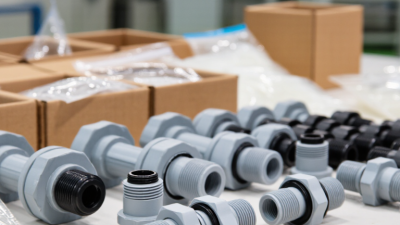
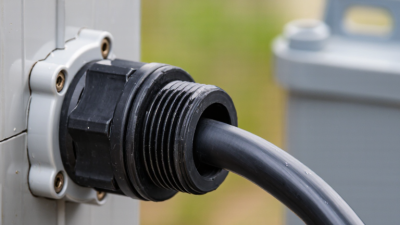
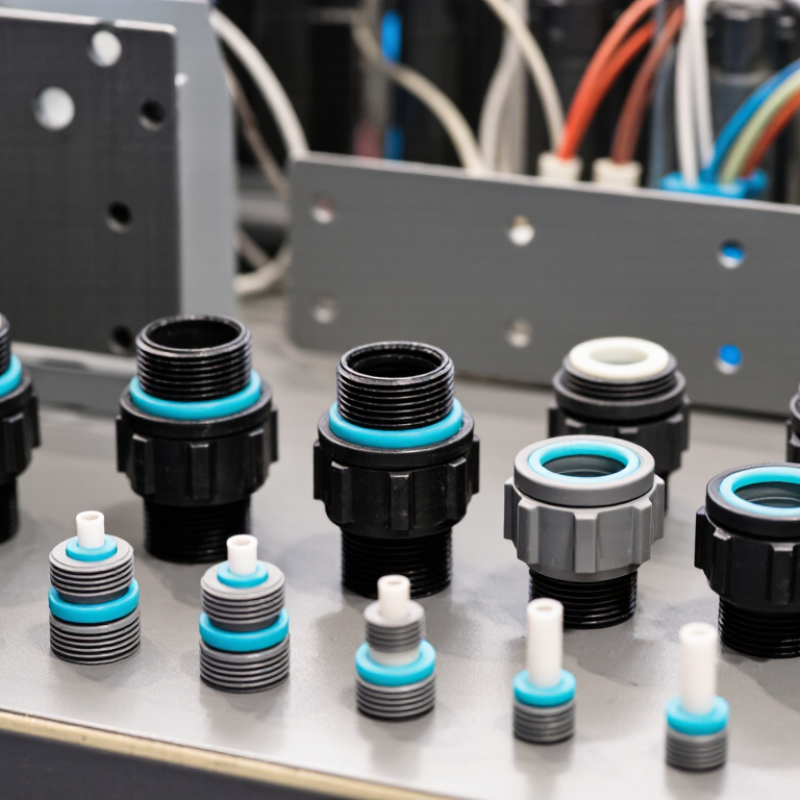
Industrial nylon cable fixing glands are mechanical fittings that secure cables where they enter control boxes, junction cabinets, and outdoor equipment. They grip the cable jacket, reduce pulling stress, and help seal out dust or moisture. Most use PA6 or PA66 nylon, with a threaded body, sealing ring, and locknut. Their performance depends on thread accuracy, cable diameter, compression, and installation torque.

The International Energy Agency’s Electricity 2024 report forecasts global electricity demand growth of about 4% in 2024, 2025, and 2026. More equipment means more cable entries to protect. A 2024 market analysis by Grand View Research also identifies rising industrial automation as a major cable management driver. Nylon Glands suit many low- and medium-load applications because they are lightweight, corrosion-resistant, and electrically insulating. However, they are not universal. High heat, strong solvents, heavy vibration, or outdoor ultraviolet exposure may require a different material. This is where product selection can become less certain.

Tips: Measure the cable’s outer diameter first. Match the gland thread to the enclosure. Check the stated IP rating, temperature range, and flammability class. Tighten evenly; excessive force can deform the seal. Ask a Global Leading Industrial Cable Glands Factory for test records, material data, and installation guidance. I have seen small diameter errors cause loose seals. The specification looked correct, but the field result was not.

2026 Best Industrial Nylon Cable Fixing Glands? - What Are Industrial Nylon Cable Fixing Glands?

Gland Configuration Typical Thread Sizes Typical Cable Diameter Typical Protection Rating Usual Material Typical Temperature Range Main Industrial Application Selection Advantage
Standard Straight Gland M12 × 1.5 to M63 × 1.5 3–44 mm, depending on size IP66; IP68 with suitable design and installation Glass-reinforced polyamide 6 or 6.6; elastomer seal Approximately −40°C to +100°C Control cabinets, machinery, sensors, and general equipment Balanced sealing, strain relief, cost, and installation speed
Long-Thread Gland M16 × 1.5 to M50 × 1.5 5–35 mm, depending on size IP66; IP68 when correctly tightened Polyamide body with elastomer sealing insert Approximately −40°C to +100°C Thick enclosure walls, junction boxes, and retrofit panels Provides additional thread engagement where standard threads are insufficient
90-Degree Elbow Gland M16 × 1.5 to M32 × 1.5 5–21 mm, depending on size Typically IP65 to IP68 Polyamide body with elastomer seal Approximately −30°C to +100°C Compact control panels and equipment with limited cable-bending space Redirects the cable and can reduce bending stress near the enclosure
Multi-Hole Gland M20 × 1.5 to M40 × 1.5 Commonly 2–8 cables with 2–12 mm diameters Typically IP65 to IP68, according to cable layout Polyamide body with individual elastomer sealing holes Approximately −40°C to +100°C Instrumentation, automation panels, and compact cable entry points Allows several small cables to pass through one enclosure opening
Flat-cable gland M20 × 1.5 to M40 × 1.5 Flat cable widths commonly 8–30 mm Typically IP65 to IP68 Polyamide body with shaped elastomer insert Approximately −40°C to +100°C Conveyor systems, robotics, solar equipment, and flat control cables Seals non-round cable profiles more effectively than standard round inserts
Vented Gland M20 × 1.5 to M40 × 1.5 6–30 mm, depending on size Often IP66; selected designs may provide IP68 Polyamide body with waterproof breathable membrane Approximately −40°C to +100°C Outdoor enclosures, lighting systems, and equipment exposed to temperature cycling Helps equalize pressure and reduce condensation while limiting liquid ingress
UV- and Weather-Resistant Gland M12 × 1.5 to M63 × 1.5 3–44 mm, depending on size Typically IP66; IP68 for specified models UV-stabilized polyamide with weather-resistant elastomer Approximately −40°C to +100°C Outdoor machinery, renewable-energy systems, transport, and infrastructure Better resistance to sunlight, moisture, and outdoor exposure than non-stabilized nylon
Technical note: Industrial nylon cable fixing glands are threaded cable-entry devices that secure cables, provide strain relief, and help seal enclosure openings against dust and water. Actual cable ranges, IP ratings, temperature limits, UV performance, flame classification, and tightening torque depend on the specific design, sealing material, enclosure thickness, and installation method. Always verify the product test documentation and select a gland whose sealing range matches the measured cable outside diameter.

How Nylon Cable Glands Are Designed and Classified

Industrial Nylon Cable Glands are designed around one practical task: securing a cable while blocking dust, water, and mechanical stress. Most use polyamide, often reinforced for better impact resistance. The gland body, locknut, sealing ring, and clamping insert work together around the cable’s outer diameter. Fit matters. A loose seal can admit moisture, while excessive compression may damage insulation.

Classification begins with material, thread type, cable range, and protection rating. IEC 62444provides testing principles for cable glands, including mechanical strength and cable retention.IEC 60529 classifies enclosure protection, such as IP65for dust protection and water jets. Nylon Glands may also be classified by operating temperature, UV resistance, flame performance, and chemical exposure. A gland for an indoor control cabinet should not automatically serve a solar installation.

The 2024 Grand View Research cable management report estimated the wider global market at about USD 23.4 billion in 2023, with continued growth expected through 2030. This figure covers more than cable glands, so it should not be treated as nylon-gland revenue. Still, it shows rising demand for organized cable protection. AGlobal Leading Industrial Cable Glands Supplier should provide clear dimensional charts, test conditions, and traceable material information. In field work, I measure the cable jacket twice before ordering. Small errors become visible when the sealing ring sits unevenly. One weakness remains: standard IP testing rarely represents years of heat, vibration, and outdoor aging. Selection needs judgment, not only a rating printed on a package.

Which Materials and Protection Ratings Matter Most?

2026 Best Industrial Nylon Cable Fixing Glands?

Which Materials and Protection Ratings Matter Most?

Selecting the best industrial nylon cable fixing gland starts with the environment, not the catalogue photograph. In humid cabinets, PA66 nylon offers useful insulation, light weight, and resistance to many common chemicals. For outdoor equipment, choose UV-stabilized material. Ordinary nylon can become brittle after years of sunlight. Temperature matters too. Check both continuous operating temperature and short exposure during cleaning or nearby heat events. I have seen failures begin with a cracked locknut, not the cable.

Protection ratings deserve equal attention. IP66 generally addresses dust and powerful water jets, while IP68 supports specified, prolonged immersion conditions. IP69 may suit equipment exposed to high-pressure, high-temperature washdown. However, the rating belongs to the installed assembly. Correct cable diameter, sealing insert, thread engagement, and tightening torque all affect performance. An IP68 gland cannot rescue a damaged enclosure thread. That detail is easy to overlook.

Material compatibility should be tested against oils, coolants, detergents, and nearby metals. Galvanic corrosion is less likely with nylon, but chemical swelling remains possible. During selection, I compare the gland with the cable jacket, enclosure wall, and maintenance routine. Field inspection matters. After installation, I check compression, cable movement, and seal recovery after temperature changes. One weakness in my earlier selections was trusting a high IP number without reviewing installation tolerances. That shortcut looked efficient. It was not.

How to Choose the Right Gland for Industrial Cables

2026 Best Industrial Nylon Cable Fixing Glands?

How to Choose the Right Gland for Industrial Cables

Choosing an industrial nylon cable fixing gland starts with the cable, not the gland. Measure the cable’s actual outer diameter, including any jacket variation. A loose seal can admit dust and moisture. An overly tight seal may damage insulation. Check the thread type and panel thickness before ordering. Metric and other thread systems are not interchangeable. They may look similar.

Environmental conditions matter just as much. For outdoor equipment, select nylon with suitable UV resistance and a verified ingress rating. For machinery, confirm the operating temperature, vibration level, oil exposure, and chemical contact. Review the manufacturer’s test data, not only a product photograph. If the cable moves, use a gland designed for strain relief. Static cables need a different approach. Installation torque also matters. Too little pressure weakens sealing. Too much can deform the seal.

Tips: Keep the seal clean. Cut the cable jacket smoothly. Tighten with a calibrated tool when possible. Inspect the finished entry.

In practical inspections, many failures begin with rushed measurements. I have seen correct glands installed with unsuitable locknuts or missing washers. The component was not the only problem. Recheck the assembly after temperature cycling and vibration. Nylon is light and corrosion-resistant, but it is not ideal for every heat or chemical environment. That limitation deserves attention. A reliable choice matches the cable, enclosure, installation method, and site conditions together.

2026 Best Industrial Nylon Cable Fixing Glands: How to Choose the Right Gland

Select a nylon cable gland according to the enclosure protection required at the installation site. The chart compares commonly specified IP protection levels using the IEC 60529 rating structure: the first digit represents solid-particle protection, while the second digit represents water protection.

IP54 provides protection against limited dust ingress and water splashes. IP65 and IP66 add complete dust protection and resistance to water jets. IP67 and IP68 are intended for temporary or continuous immersion conditions, subject to the gland manufacturer's specified installation depth and duration.

How to Install Nylon Cable Fixing Glands Correctly

2026 Best Industrial Nylon Cable Fixing Glands?

How to Install Nylon Cable Fixing Glands Correctly

Correct installation begins with the cable diameter, panel thickness, and gland thread. Check all three before drilling or tightening anything. A gland should grip the outer sheath without crushing it. Measure the cable with a caliper, not by guesswork. Small errors can weaken sealing performance.

Clean the panel hole and remove sharp metal edges. Insert the nylon gland from the outside, then fit the locknut inside the enclosure. Keep the sealing washer flat against the panel. Tighten the locknut firmly with a suitable spanner. Do not use pliers. Excessive force may distort the nylon body or damage the seal. Global Leading Industrial Cable Glands Suppliers often publish torque guidance, but site conditions still require judgment.

Pass the cable through the cap and seal, leaving enough length for safe routing. Tighten the cap until the seal holds the cable securely. The cable should not slide when pulled by hand. It should also remain free from crushing marks. I have seen neat installations fail because the cable was inserted at an angle. Check the entry point again after twenty-four hours. Temperature changes can expose weak tightening. In dusty or wet areas, inspect the seal, thread, and enclosure wall during routine maintenance. A rushed installation can look perfect. It may not stay that way.

How to Inspect, Maintain, and Replace Cable Glands

2026 Best Industrial Nylon Cable Fixing Glands?

Inspect nylon cable glands during every planned electrical maintenance round. Look for cracks, whitening, loose locknuts, flattened seals, and cable movement. A gland should grip the jacket without cutting it. Check the enclosure entry with a dry cloth. Moisture, dust, and oil often hide beneath the sealing ring.

IEC 60529 defines IP66 as dust-tight protection against powerful water jets. IP68 requires specified immersion conditions, not unlimited underwater service. Record the tested depth and duration. NFPA 70B:2023 supports documented preventive maintenance for electrical equipment. The U.S. Department of Energy’s Operations and Maintenance Best Practices Guide also promotes condition-based inspection. These references matter when a cable route faces vibration, heat, or washdown.

Use a calibrated torque tool when tightening the gland. Follow the fitting’s technical sheet, because nylon threads can deform under excessive force. Check seal compression, cable diameter, and unused entries. Replace the gland when its seal stays compressed, the body shows stress marks, or the cable slips under a firm pull. Isolated damage may still require replacing the complete fitting. Small shortcuts become large failures. I have seen maintenance teams clean a gland but ignore a hardened seal. That inspection looked finished, but it was not. After replacement, repeat the enclosure protection check and record the date, torque, cable size, and environmental conditions.

What Trends Will Shape Industrial Nylon Cable Glands in 2026?

2026 Best Industrial Nylon Cable Fixing Glands?

What Trends Will Shape Industrial Nylon Cable Glands in 2026?

Industrial nylon cable glands are moving from simple strain relief toward measurable protection. Grand View Research’s cable glands market analysis indicates continued growth through 2030, supported by factory automation, renewable equipment, and infrastructure upgrades. The exact market size varies because reports classify plastic and metal glands differently. That distinction matters.

In 2026, buyers will prioritize stronger sealing, faster installation, and stable performance near heat, oil, dust, and vibration. IP ratings will remain central, but test conditions deserve closer attention. A gland rated IP68 may still perform poorly when the cable diameter is mismatched. Installers will inspect thread engagement, locknut torque, and gasket compression beside the rating label. Small details matter.

Material selection will also change. Nylon 6 and nylon 66 remain attractive because they reduce weight and resist corrosion. However, recycled content, halogen-free formulations, and improved flame performance will receive more scrutiny. MarketsandMarkets’ industrial automation research projects steady expansion in connected manufacturing, creating more cable entry points inside compact control cabinets. Space is tighter now. Global Leading Industrial Cable Glands Factories will need better dimensional control and clearer traceability.

Digital product records may support batch tracking and installation checks, although adoption will not be uniform. That is a weakness. A QR code cannot compensate for poor sealing practice or an unsuitable temperature range. Engineers should compare laboratory data with field exposure, especially outdoors where ultraviolet radiation and thermal cycling quietly shorten service life.

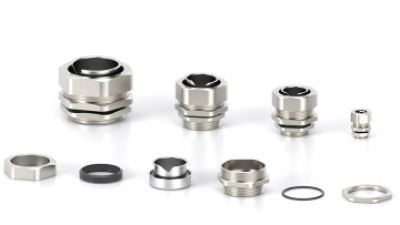
China Nickel-Plated Brass Hose Cable Glands: Demand Insights from MarketsandMarkets and Grand View Research Reports

China’s nickel-plated brass hose cable glands are gaining attention as industrial manufacturers seek dependable cable-management components for demanding environments. Recent market research reports forecast the global cable-gland sector to expand at approximately 7% annually through the end of this decade, supported by investments in automation, power distribution, renewable energy, and industrial equipment. This growth is increasing demand for fittings that combine mechanical strength, reliable sealing, and efficient installation.

Nickel-plated brass hose cable glands are well suited to these requirements. Their brass body provides strong clamping performance and resistance to mechanical stress, while the nickel coating improves protection against oxidation, moisture, and general industrial wear. Designed to secure cables entering enclosures, control cabinets, machinery, and flexible conduit systems, these glands help reduce cable movement and support effective strain relief. Depending on configuration, they can also contribute to dust and water protection when correctly matched with the enclosure and sealing accessories.

Demand insights from the same industry studies indicate that buyers increasingly prioritize standardized dimensions, consistent quality, and compliance with international requirements when sourcing from overseas manufacturers. A China-based factory offering certified nickel-plated brass hose cable glands can therefore serve diverse industrial markets with dependable production, competitive supply capability, and products engineered for secure connections in varied operating conditions.

FAQS

What are industrial nylon cable fixing glands used for?

They secure cables entering control boxes, junction cabinets, and outdoor equipment.

What materials are commonly used in nylon cable glands?

Most are made from PA6 or PA66 polyamide.

How should I measure a cable before choosing a gland?

Measure the cable’s actual outer diameter, including its complete jacket.

How do I match a gland to an enclosure?

Match the gland thread with the enclosure opening and panel thickness.

Which environmental conditions should I check?

Review temperature, vibration, oil, chemicals, moisture, and ultraviolet exposure.

What do IP ratings tell me about a nylon gland?

An IP rating describes resistance to dust and water entry under specified tests.

How should I install an industrial nylon cable gland?

Keep the sealing ring clean and cut the cable jacket smoothly.

What common mistakes cause gland failures?

Rushed measurements often create loose or uneven seals.

Conclusion

This guide explains how an Industrial Nylon Cable Fixing Gland supports secure, organized, and reliable cable entry in industrial environments. It introduces the gland’s main components, design principles, and classification methods, then examines how nylon composition, sealing performance, thread types, and protection ratings influence service life. Readers will learn how to match gland size, cable diameter, installation environment, and mechanical requirements when selecting a suitable product.

The article also presents practical installation steps, including cable preparation, tightening, sealing checks, and strain relief. It outlines routine inspection and maintenance practices for identifying looseness, cracking, aging, or moisture penetration, along with clear indications for replacement. Finally, it considers 2026 trends such as improved material durability, easier installation, stronger environmental protection, and smarter cable-management solutions, helping users make informed decisions for demanding industrial applications.
Sophia

Sophia

Sophia is a dedicated marketing professional with a strong expertise in the field of waterproof brass cable connectors. Working with a high-tech enterprise, she plays a pivotal role in the growth and outreach of the company, ensuring that its innovative products reach a wider audience. With a deep......
Previous What Is a Nylon Cable Gland for Outdoor Equipment?