
Industrial Overview: Armoured Cable Glands in Modern Automation
In the landscape of modern industrial automation, the integrity of electrical wiring is paramount. Automated machinery—ranging from robotic arms to high-speed packaging lines—operates under harsh conditions characterized by continuous motion, mechanical stress, thermal fluctuations, and high levels of electromagnetic interference (EMI). To safeguard power transmission and sensor signal lines, engineers rely extensively on armored cables. However, the performance of these cables is only as robust as the termination points. This is where specialized armoured cable gland types play a critical role.
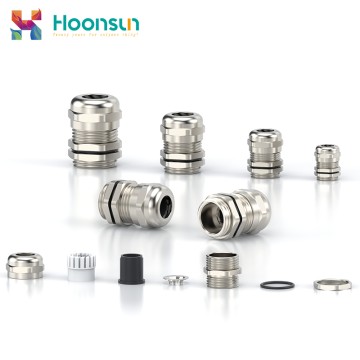
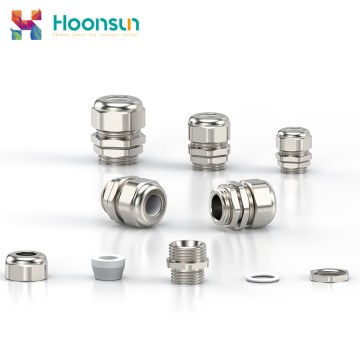
Armoured cable glands are mechanical cable entry devices designed to secure, seal, and ground armored cables where they enter electrical enclosures, control panels, or motors. They provide critical functions: mechanical retention to prevent cable pull-out, environmental sealing (dust and moisture protection), and electrical continuity by bonding the metallic armor to the machinery’s grounding system.
Key Insight: Modern automated machinery demands cable glands that offer more than simple strain relief. They must actively mitigate EMI/RFI, resist high temperatures, and maintain IP68/IP69K ingress protection to prevent downtime in critical smart factories.
Common Types of Armoured Cable Glands
Selecting the correct gland type requires understanding the nature of the cable armor (Steel Wire Armour - SWA, Steel Tape Armour - STA, or braided shields) and the operating environment. The primary types used in automated machinery include:
- Single Compression Cable Glands: Typically utilized in mild industrial environments. They compress the outer sheath of the cable to provide dust and moisture protection. They are cost-effective but offer limited protection against internal moisture migration through the cable inner bedding.
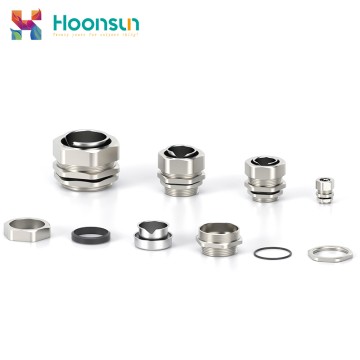
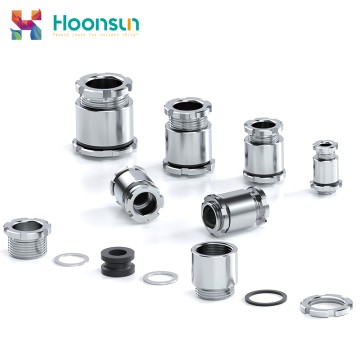
- Double Compression Cable Glands: These glands compress both the inner and outer sheaths of the cable. This dual-seal design is vital for automated machinery exposed to wet, dusty, or hazardous atmospheres, ensuring that gases or liquids cannot penetrate the electrical enclosure through the cable.
- EMC Shielded Cable Glands: In automation, variable frequency drives (VFDs) and servo motors generate significant electromagnetic noise. EMC glands feature a 360-degree contact ring that bonds the cable's metallic braid or armor directly to the enclosure wall, providing a low-impedance path to ground for high-frequency noise.
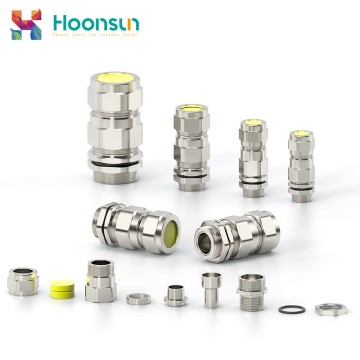
- Explosion-Proof (Ex d / Ex e) Cable Glands: Crucial for automated systems operating in hazardous locations, such as chemical processing plants, oil and gas facilities, and paint-spraying booths. These glands prevent internal sparks or explosions from escaping into the surrounding environment.
EMI Shielding
Protects sensitive sensor signals from high-frequency electromagnetic noise generated by automated drives.
Explosion-Proof
ATEX and IECEx certified designs for hazardous automated environments.
IP68 Ingress Protection
Dual-compression sealing technology prevents water and fine dust penetration.
Deep-Dive Application Scenarios in Automated Machinery
To appreciate the necessity of high-quality cable glands, we must look at where they are deployed on the factory floor:
1. Multi-Axis Robotic Arms
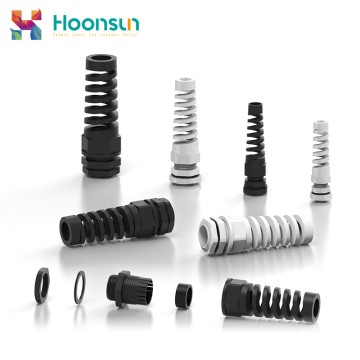
Robotic arms undergo continuous, high-speed torsional and bending stress. The cables running along the joints must be armored or heavily shielded to resist abrasion and mechanical wear. Glands used here require robust strain relief mechanisms, such as anti-bending spirals or heavy-duty clamping claws, to prevent the cable armor from fatiguing and breaking at the termination interface.
2. Automated Conveyor & Sorting Systems
Conveyors in warehouses and logistics hubs run 24/7, creating continuous structural vibration. Standard fittings can loosen over time, compromising grounding and ingress protection. Double compression brass glands with locking nuts ensure a permanent, vibration-resistant grip on the cable armor, maintaining system reliability.
3. Food & Beverage Packaging Automation
In food processing, machines are subjected to daily high-pressure washdowns using chemical cleaning agents (CIP processes). Cable glands must not only be IP68/IP69K rated but also constructed from corrosion-resistant materials like nickel-plated brass or 316L stainless steel to prevent contamination and premature failure.
Development Trends: The Future of Smart Cable Termination
As Industry 4.0 matures, the demand for "smart" components is growing. Key trends in armored cable gland development include:
- Material Optimization: The shift towards lead-free brass and high-performance polymers to comply with evolving global environmental regulations like RoHS and REACH.
- Integration of Diagnostics: Future cable glands may incorporate sensors to monitor temperature, moisture ingress, or grounding continuity, feeding data back to predictive maintenance systems.
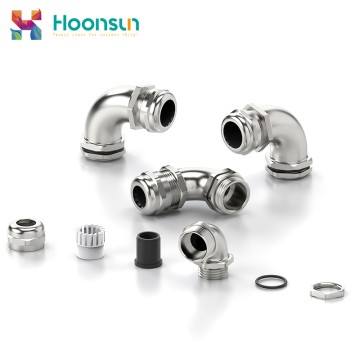
- Compact Form Factors: As automated machinery becomes more compact, space inside electrical boxes is limited. Right-angle (90-degree) glands and ultra-low-profile designs are increasingly favored.